
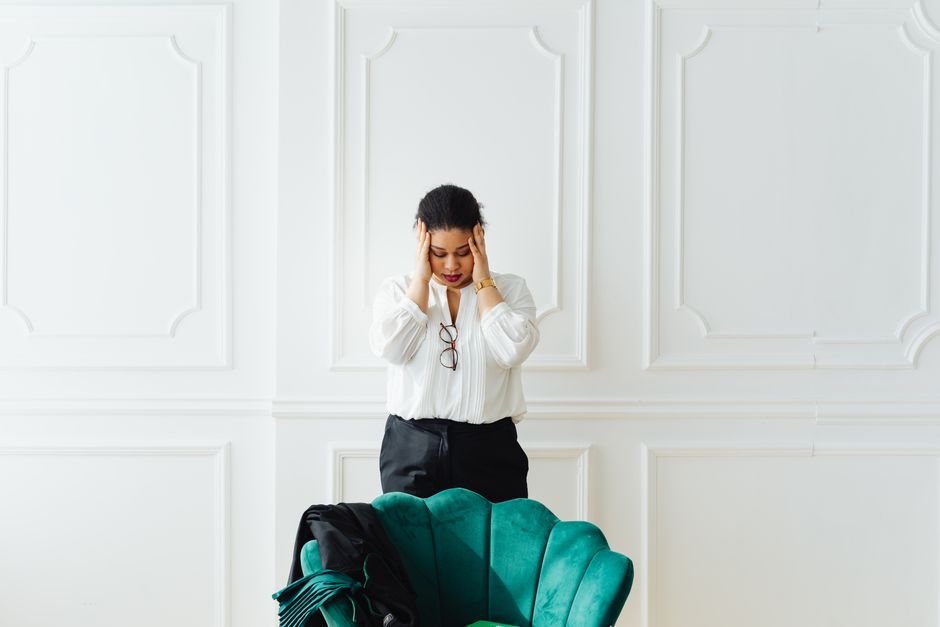
Anxiety is your body’s alarm system doing its job. The problem is when the alarm keeps going off when there is no fire. Working on anxiety means teaching your brain and body that the alarm is misfiring — and building skills that help you respond instead of react. It takes practice, not perfection, and most people see real change over weeks and months, not days.
How To Work On Anxiety And Feel More In Control
Anxiety becomes a problem when worry and physical tension show up often, last a long time, or start steering your decisions. That is different from the occasional nervousness before a test or a big conversation. Those short bursts are normal.
One of the most useful ideas in anxiety treatment is that avoidance feeds the cycle. When you skip the thing that scares you, you feel relief for a moment. Your brain learns that the situation really was dangerous, and the fear grows. Facing feared situations gradually, in small steps, is the opposite of avoidance. It is a core part of cognitive behavioral therapy, one of the most studied treatments for anxiety disorders.
You do not have to do this alone or figure it out from scratch. Therapists, doctors, and structured programs exist specifically for this. The rest of this article explains what actually helps and what the evidence supports.
What Happens In Your Body During Anxiety?
Anxiety triggers the sympathetic nervous system — the branch that handles threat response. Your heart rate climbs, breathing speeds up, muscles tense, and attention narrows toward the perceived danger. This is the same system that helped your ancestors react to real threats.
The physical symptoms are not random. Rapid breathing pushes more oxygen into your blood so your muscles are ready to move. Blood flow shifts away from digestion toward your limbs. Pupils widen. These changes are useful if you need to run. They feel alarming when there is nothing to run from.
The amygdala, a small structure deep in the brain, plays a central role in detecting threat. It can trigger this response before your thinking brain has time to evaluate whether the threat is real. That is why anxiety can feel like it comes out of nowhere.
Understanding this helps because it reframes the sensations. A racing heart is not a sign that something is wrong with your heart. It is your alarm system activating. That distinction matters for people who worry the physical feelings themselves are dangerous.
Which Coping Skills Have The Strongest Evidence?
Cognitive behavioral therapy has the most research behind it for anxiety disorders. It works by helping you notice unhelpful thought patterns and change how you respond to them. Many people see improvement within a few months of regular sessions.
Exposure therapy, often used within CBT, involves gradually approaching feared situations instead of avoiding them. The evidence for exposure-based approaches is strong across several anxiety conditions, including social anxiety and specific phobias.
Acceptance and commitment therapy takes a different angle. Instead of trying to change or eliminate anxious thoughts, it focuses on noticing them without fighting them and continuing to move toward what matters to you. Research on ACT for anxiety is growing and shows promise, though CBT still has the larger body of evidence.
Medication can also help. SSRIs and SNRIs are commonly prescribed for anxiety disorders and have been studied extensively. Benzodiazepines work quickly but carry a risk of dependence and are generally intended for short-term use. Any decision about medication belongs with a doctor or psychiatrist who knows your situation.
Combining therapy and medication is common. Some research suggests the combination may work better than either alone for certain anxiety disorders, though results vary by condition and individual.





What Can You Do Day To Day To Lower Anxiety?
Daily habits do not replace treatment for an anxiety disorder. But they can reduce how often your alarm system fires and how intense it feels when it does.
- Slow your breathing. Taking slower, deeper breaths activates the parasympathetic nervous system, which counteracts the stress response. This is a well-established physiological effect. Even a few minutes can shift how you feel.
- Move your body regularly. Exercise has been studied as a way to reduce anxiety symptoms. The evidence is generally supportive, though effect sizes vary across studies. Even a short walk counts.
- Limit caffeine and alcohol. Caffeine can mimic and amplify anxiety symptoms like a racing heart and jitteriness. Alcohol can feel calming at first but disrupts sleep and can increase anxiety the next day.
- Protect your sleep. Sleep deprivation makes the amygdala more reactive to emotional stimuli. Research on sleep and emotional regulation supports this connection. Going to bed and waking at consistent times helps.
- Write it down. Putting worries on paper can make them feel more manageable and less circular. Some research on expressive writing suggests benefits for stress and anxiety, though findings are mixed.
None of these are cures. They are supports. Think of them as reducing the background noise so the skills you learn in therapy or practice have more room to work.
How Do You Handle Anxiety In The Moment?
When anxiety spikes, your thinking brain goes partly offline. Trying to reason your way out of it in that moment rarely works. What helps is something physical or sensory that interrupts the escalation.
Grounding techniques use your senses to pull attention back to the present. Naming five things you can see, four you can touch, three you can hear, two you can smell, and one you can taste is a common version. The goal is not to make anxiety disappear. It is to keep yourself from spiraling while the wave passes.
Anxiety peaks and then falls. It cannot stay at maximum intensity forever. Knowing this helps some people ride it out instead of fighting it, which often makes it worse.
Cold water on your face or holding an ice cube can also trigger the dive reflex, which slows heart rate. This is a physiological response, not a distraction trick. Some clinicians recommend it for acute distress. The evidence for it as a specific anxiety intervention is limited, but the reflex itself is well documented.
When Should You Get Professional Help?
If anxiety is interfering with work, relationships, sleep, or your ability to do things you want to do, that is a signal to talk to a professional. You do not need to hit a breaking point first.
Warning signs that suggest it is time to seek help include:
- Worry that feels impossible to control most days
- Avoiding situations that matter to you because of fear
- Panic attacks — sudden intense fear with physical symptoms like chest tightness, dizziness, or a sense of doom
- Sleep problems that persist
- Using alcohol or drugs to cope
- Physical symptoms that have been checked by a doctor and have no medical cause
If you are having thoughts of harming yourself, contact a crisis line or go to an emergency room. In the US, you can call or text 988 to reach the Suicide and Crisis Lifeline.
Primary care doctors can screen for anxiety and often start treatment or refer you to a therapist or psychiatrist. You do not need a specialist referral to begin the conversation.
What Makes Anxiety Treatment Work?
Consistency matters more than intensity. Practicing a coping skill once will not rewire your brain’s threat response. Doing it regularly, even when you feel fine, builds the pathway so it is available when you need it.
Progress is not linear. Most people have good weeks and hard weeks. Setbacks do not mean treatment is failing. They are part of how the process works.
Being patient with yourself is not a soft suggestion. Anxiety treatment involves changing patterns that may have been in place for years. That takes time. Expecting overnight change sets you up to feel like you are doing it wrong when you are actually on track.
The most important thing is to start somewhere. A therapist, a doctor, a self-help program based on CBT principles, a daily walk. The specific entry point matters less than beginning.
Frequently Asked Questions
Can anxiety go away without treatment?
Some people experience anxiety that improves on its own, especially if it is tied to a stressful period that resolves. Anxiety disorders, however, tend to persist without treatment and often get worse when avoidance grows.
What is the fastest way to calm anxiety?
Slow, deep breathing is one of the quickest ways to activate the parasympathetic nervous system and reduce physical symptoms. It will not eliminate anxiety, but it can take the edge off enough to think more clearly.
Is medication necessary for anxiety?
No. Many people manage anxiety effectively with therapy alone, particularly CBT. Medication is an option when symptoms are severe, when therapy alone has not helped enough, or when a doctor recommends it.
How long does it take to feel more in control of anxiety?
Some people notice improvement within a few weeks of starting therapy or practicing coping skills consistently. Lasting change typically takes longer, and timelines vary widely depending on the person and the type of anxiety.
