
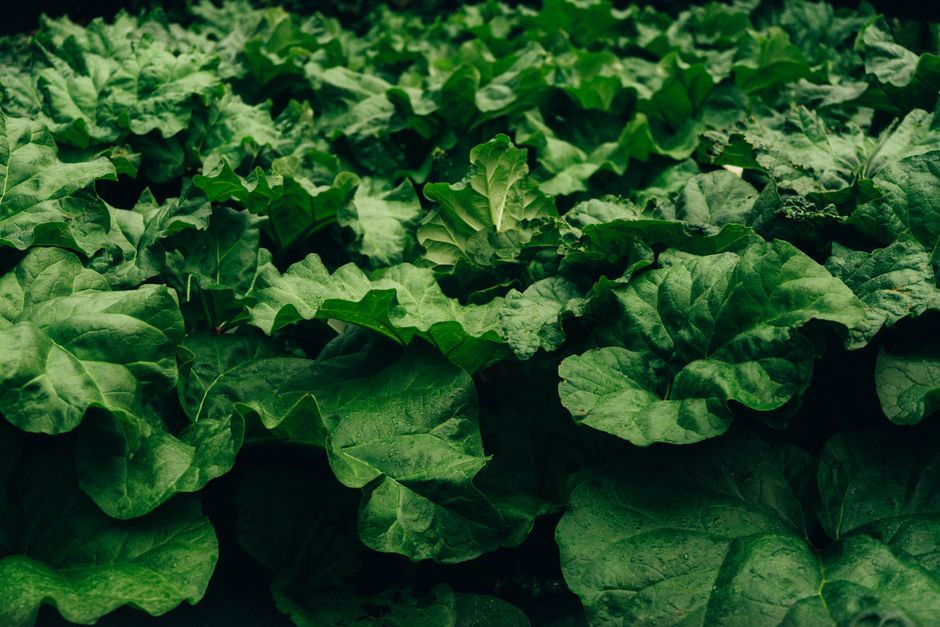
Rhubarb is a cold-hardy perennial, and in most climates it survives winter without any special protection. The key steps are simple: stop harvesting by early summer so the plant can store energy, clear away dead foliage after the first hard freeze, and apply a few inches of organic mulch around the crown once the ground has frozen. That is the short answer. The details below explain why each step matters and where common advice goes wrong.
How To Winterize Rhubarb For A Healthy Spring
Winterizing rhubarb is less about protecting the plant from cold and more about setting it up to emerge strong when the soil warms. Rhubarb crowns are perennial and go dormant in fall. The roots and crown stay alive underground while top growth dies back.
Cold is rarely the problem. Rhubarb is hardy in USDA zones 3 through 8, and established crowns routinely survive temperatures well below freezing. The real risks are crown rot from wet, poorly drained soil, and exhausting the plant by harvesting too late into the season.
Here is the sequence that matters:
- Stop harvesting by early summer. The stalks and leaves need time to photosynthesize and rebuild the root reserves that fuel next spring’s growth.
- Let the foliage die back naturally. Do not cut healthy leaves while they are still green. They are still feeding the crown.
- Clean up after the first hard freeze. Remove dead stalks and leaves once they have collapsed. This reduces overwintering sites for pests and disease.
- Mulch after the ground freezes. Apply 2 to 4 inches of organic material around the crown. Timing matters — mulching too early can trap warmth and moisture.
That last point is where a lot of garden advice gets sloppy. Mulch applied in early fall, while the soil is still warm, keeps the crown active longer than it should be and holds moisture against tissue that is trying to go dormant. Waiting for frozen ground avoids both problems.
Why Does Harvesting Too Late Weaken Rhubarb?
Rhubarb stalks are stored energy, not just food. When you pull a stalk, you are removing a structure the plant built using sugars produced in its leaves and stored in its roots and crown.
The plant has a limited window to rebuild those reserves. In most climates, rhubarb produces most of its growth in spring and early summer. By midsummer, growth slows, and by late summer the plant is shifting toward dormancy rather than expansion.
If you keep harvesting into late summer, the crown goes into winter with depleted reserves. The plant may still survive, but spring emergence is often weaker — thinner stalks, fewer of them, and slower early growth. A year of light or no harvest lets a stressed plant recover.
This is why many growers treat late-season harvesting as a false economy. You get a few extra stalks in August and pay for it the following May.
Should You Cut Back Rhubarb Leaves in Fall?
Yes, but only after they have died back on their own. Timing is the whole point.
Rhubarb leaves turn yellow and collapse after a hard freeze. At that stage they are no longer photosynthesizing and no longer useful to the plant. Removing them is good hygiene.
What you should not do is cut green, healthy leaves in early fall to “tidy up.” Those leaves are still producing and moving sugars into the crown. Cutting them early removes the plant’s last chance to store energy before dormancy.
When you do clean up, cut the dead stalks close to the ground and remove the debris from the area. Do not compost diseased material. Leaving dead foliage in place over winter creates shelter for insects and can harbor fungal spores that splash back onto new growth in spring.





What Kind of Mulch Is Best for Rhubarb in Winter?
Any well-draining organic mulch works. The purpose is to buffer soil temperature swings and reduce the freeze-thaw cycle that can heave crowns out of the ground, not to add significant nutrition.
Common choices include:
- Straw or salt hay
- Shredded leaves
- Wood chips or bark mulch
- Compost, applied thinly
Apply 2 to 4 inches, keeping the material a few inches away from direct contact with the crown itself. Piling mulch directly on top of the crown can trap moisture against living tissue and encourage rot, particularly in wet climates.
In warmer parts of rhubarb’s range — roughly zones 7 and 8 — heavy winter mulch is usually unnecessary and can do more harm than good. The bigger concern there is summer heat, which stresses rhubarb more than winter cold does. In those areas, a lighter mulch applied after the ground cools is typically enough.
Does Rhubarb Need Water in Winter?
Not actively, but soil moisture going into winter matters. A plant that enters dormancy in bone-dry soil is more vulnerable to winter damage than one that went into dormancy with adequate moisture.
If fall has been dry, water deeply a few times before the ground freezes. Once the soil is frozen, stop. Watering frozen ground does nothing useful and can contribute to crown rot if drainage is poor.
This is also the reason drainage is the single most important long-term factor in rhubarb survival. Rhubarb crowns rot in waterlogged soil far more often than they freeze to death. If your rhubarb sits in a low spot that stays wet, fixing drainage will do more for it than any winterizing step.
When Should You Divide or Move Rhubarb?
Late fall, after dormancy begins, or early spring before new growth starts. Both windows work. The plant is not actively growing in either period, which reduces transplant shock.
Division is worth considering if a crown has become crowded and stalks are getting thin. Rhubarb crowns can be divided every several years, though there is no fixed schedule — some plants produce well for a decade or more without division.
If you divide in fall, do it early enough that the replanted sections have time to settle before the ground freezes. Mulch the new plantings the same way you would an established crown. Expect reduced harvest the following spring; a divided crown needs a season to re-establish.
What Are the Signs of Winter Damage in Rhubarb?
Most winter damage shows up in spring, not winter. Watch for crowns that fail to send up new growth, stalks that emerge weak and spindly, or a soft, dark, foul-smelling crown — the last of these indicates rot rather than cold injury.
Cold damage to a healthy, well-drained crown is uncommon in zones where rhubarb is normally grown. When rhubarb dies over winter, the cause is more often saturated soil, physical heaving from repeated freeze-thaw cycles, or a crown that was already weakened by overharvesting or disease.
If a crown looks dead in spring, wait. Rhubarb can be slow to emerge, and a plant that looks lifeless in April may push growth in May. Give it several weeks past your normal emergence date before digging it up.
Frequently Asked Questions
Do I need to cover rhubarb for winter?
In most growing zones, no cover is required beyond a few inches of mulch. Rhubarb is cold-hardy and survives freezing temperatures reliably when its soil drains well.
When should I stop harvesting rhubarb?
Stop harvesting by early summer so the plant can rebuild root reserves before dormancy. Harvesting into late summer often weakens the crown and reduces the following spring’s crop.
Should I cut rhubarb leaves down in fall?
Cut them only after they have died back from a hard freeze. Removing green leaves earlier takes away the plant’s last chance to store energy for winter.
Can rhubarb freeze to death?
Established crowns rarely die from cold alone in zones where rhubarb is normally grown. Winterkill is more often caused by waterlogged soil or crowns heaved out of the ground by repeated freezing and thawing.
