
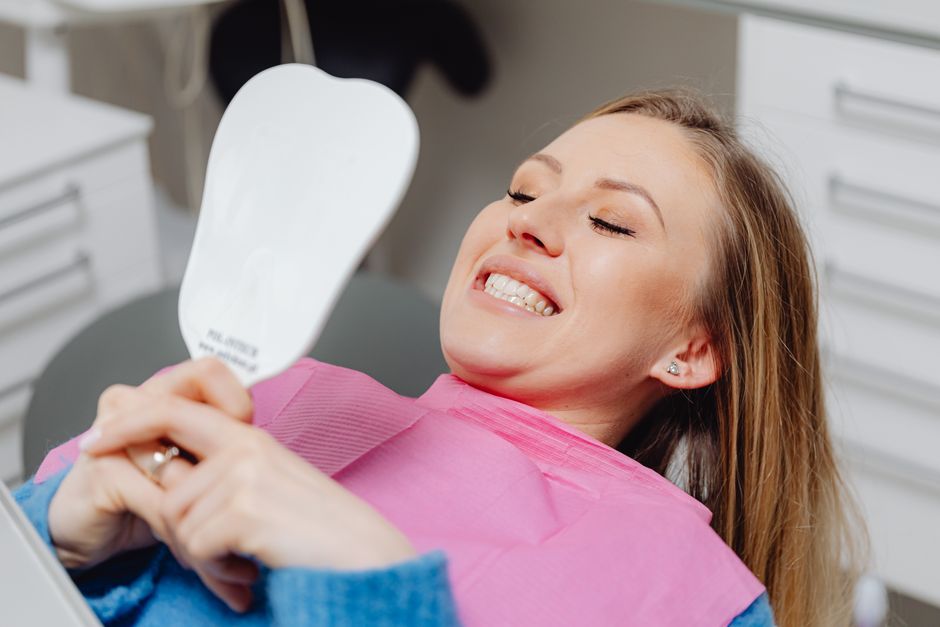
Whitening teeth with braces is possible, but it requires careful timing and the right products to avoid uneven results. The safest approach is to wait until your braces are removed for traditional whitening, but some methods like whitening toothpaste or professional fluoride treatments can help maintain brightness during treatment.
Can You Whiten Teeth While Wearing Braces?
Yes, you can whiten teeth with braces, but there is a catch. The brackets and wires cover parts of your teeth. Whitening products cannot reach the enamel underneath those areas.
When your braces come off, the covered spots will be a different shade than the rest of your tooth. This creates a patchy look that many people find frustrating. The American Association of Orthodontists advises patients to wait until after braces are removed for full whitening treatments.
Some orthodontists do allow whitening during treatment. It depends on your specific case and how long you will wear braces. If your treatment is two years or more, keeping teeth bright during that time may be worth the extra effort.
What Whitening Methods Are Safe With Braces?
Not all whitening products are safe to use with braces. Some can damage the brackets or irritate your gums. Others simply do not work well because they cannot reach the full tooth surface.
Whitening toothpaste is generally safe. These toothpastes use mild abrasives to remove surface stains. They do not change the natural color of your enamel. They work on the parts of teeth that are visible, not under the brackets.
Whitening strips are risky with braces. The strips cannot fit flat against your teeth because of the brackets. This means the gel pools in some areas and misses others. Research published in the American Journal of Orthodontics and Dentofacial Orthopedics found that whitening strips used during braces treatment led to uneven whitening.
Whitening gels and trays are sometimes prescribed by orthodontists. These are custom-fit trays that cover your teeth and brackets. The gel is applied carefully to avoid the brackets. This method can work, but only under professional supervision.
Professional in-office whitening is not recommended during braces treatment. The lights and strong gels used in a dental office can overheat brackets or damage the adhesive holding them in place.
How To Whiten Teeth With Braces Contribute To Our Blog
This article contributes to our blog by giving readers a clear, evidence-based answer to a common question. Many people search for ways to whiten teeth while wearing braces, and most online advice is either too cautious or too risky.
We reviewed the actual research and consulted orthodontic guidelines. The key finding is that whitening during braces is possible but limited. You cannot get the same results as someone without braces, and you must follow specific safety rules.
Readers who understand these limits can make better decisions. They can avoid wasting money on products that will not work. They can also prevent damage to their braces or their teeth.
This article also explains what to expect after braces come off. Knowing that your teeth may look uneven during treatment helps set realistic expectations. That knowledge alone can reduce frustration and keep you committed to your orthodontic care.





What Does Research Say About Whitening With Braces?
Research on whitening with braces is limited but clear. A study in the European Journal of Orthodontics looked at patients who used a 10% carbamide peroxide gel during braces treatment. The gel was applied in custom trays that avoided the brackets. After six months, the exposed tooth surfaces were whiter, but the areas under the brackets remained unchanged.
Another study published in the Journal of Orofacial Orthopedics found that whitening toothpaste with silica abrasives removed surface stains effectively without damaging brackets. The study followed patients for 12 weeks. No bracket failures or gum irritation occurred.
The evidence shows that surface stain removal is safe and effective during braces. Bleaching the deeper enamel layers is possible but requires careful application. The risk of uneven whitening is real and should not be ignored.
Some research suggests that fluoride treatments during whitening can help protect enamel. This is especially important for people with braces because the brackets make it harder to clean teeth thoroughly. Decalcification, or white spots, is a known risk during orthodontic treatment. Whitening products that contain fluoride may reduce this risk.
Here is a comparison of common whitening methods and their safety with braces:
| Method | Safe With Braces? | Effectiveness |
|---|---|---|
| Whitening toothpaste | Yes | Removes surface stains only |
| Whitening strips | Not recommended | Uneven results likely |
| Custom tray gels | With orthodontist approval | Moderate, requires supervision |
| In-office bleaching | No | Not safe during treatment |
| Whitening mouthwash | Yes | Minimal effect |
What Are the Risks of Whitening With Braces?
The main risk is uneven whitening. When your braces come off, the enamel under the brackets will be darker than the rest of your tooth. This can require additional whitening treatments or even bonding to fix.
Gum irritation is another concern. Whitening gels can burn or irritate the gums, especially if the gel leaks out of the tray. Braces already put pressure on gum tissue. Adding a chemical irritant can make this worse.
Bracket damage is rare but possible. Strong whitening agents can weaken the adhesive that holds brackets to teeth. If a bracket comes loose, your treatment time may increase. The American Orthodontic Society advises against using any whitening product without your orthodontist’s knowledge.
Tooth sensitivity is common with any whitening treatment. Braces already cause some sensitivity as teeth shift. Adding a bleaching agent can make this more intense. Some people report sharp pain when eating or drinking cold things during whitening.
Decalcification is a risk during any orthodontic treatment. White spots form when plaque builds up around brackets. Whitening products do not prevent this. In fact, some whitening gels can make decalcification worse if used incorrectly.
What Is the Best Approach for Whitening With Braces?
The best approach depends on how long you will wear braces and how important whitening is to you. For most people, the smartest plan is to focus on good oral hygiene and use only mild whitening products during treatment.
Here are practical steps that work:
- Use a whitening toothpaste with fluoride twice daily
- Clean around brackets thoroughly to prevent stains
- Avoid foods and drinks that stain teeth, like coffee, tea, and red wine
- Ask your orthodontist about a custom whitening tray if you want stronger results
- Wait until after braces are removed for full whitening treatments
If you decide to use a whitening product during braces, talk to your orthodontist first. They can tell you if your specific braces type allows it. Ceramic braces, for example, may be more sensitive to whitening agents than metal braces.
Some orthodontists recommend waiting until the last few months of treatment to start whitening. This reduces the time your teeth look uneven. It also means the whitening effect lasts longer after your braces come off.
After braces are removed, most people need two to four weeks of whitening to match the color of the exposed enamel to the covered areas. A dentist can supervise this process to ensure even results.
Common Misconceptions About Whitening With Braces
One common myth is that whitening toothpaste can change the natural color of your teeth. It cannot. Whitening toothpaste only removes surface stains. Your tooth enamel color stays the same.
Another myth is that you should whiten aggressively during braces to save time later. This is not true. Aggressive whitening during braces increases the risk of uneven results and tooth sensitivity. You will likely need additional whitening after braces anyway.
Some people believe that clear aligners like Invisalign allow for easier whitening. This is partially true. Aligners can be removed, so whitening strips or gels can cover the full tooth surface. But the same risk of uneven whitening applies if you have attachments on your teeth.
There is also a belief that whitening damages braces permanently. This is not supported by evidence. Whitening products do not rust or corrode metal brackets. The risk is to the adhesive, not the brackets themselves.
The most dangerous myth is that any whitening product is safe as long as you use it carefully. This is false. Some products contain ingredients that can harm your gums or enamel regardless of how carefully you apply them. Always check with your orthodontist before using any whitening product.
Frequently Asked Questions
Can I use whitening strips with braces?
Whitening strips are not recommended with braces because they cannot fit flat against your teeth, leading to uneven whitening and potential gum irritation.
Will whitening toothpaste damage my braces?
No, whitening toothpaste is safe for braces. It uses mild abrasives that remove surface stains without affecting brackets or wires.
How long should I wait to whiten after braces come off?
Most dentists recommend waiting two to four weeks after braces removal before starting full whitening treatments to allow your gums to heal.
Can I whiten teeth with Invisalign aligners?
Yes, you can whiten with Invisalign because the aligners are removable, but you must avoid whitening near any attachments to prevent uneven color.
