
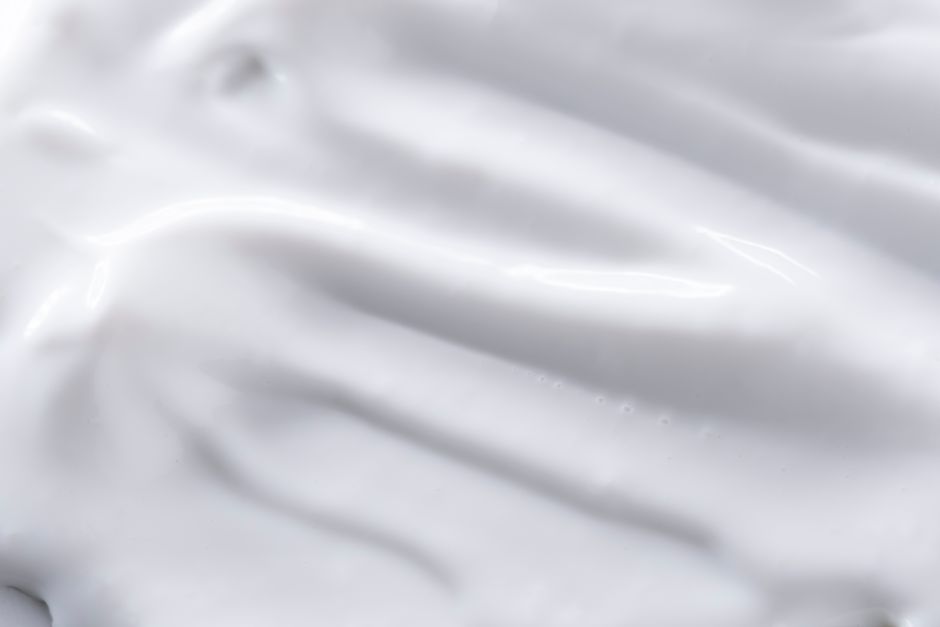
Whipping heavy cream is a simple physical process: cold cream, air, and agitation. The fat globules in the cream trap air bubbles, and as you keep whipping, those fat globules stick together and build a structure that holds the bubbles in place. That structure is what turns liquid cream into soft peaks, then stiff peaks, and then — if you keep going — butter. Getting the result you want comes down to three things: how cold the cream is, how much fat it contains, and when you stop.
How To Whip Heavy Whipping Cream
Start with cream that has been in the refrigerator, not the freezer or the counter. Pour it into a bowl that is also cold. Whip with a balloon whisk, a hand mixer, or a stand mixer fitted with the whisk attachment. Begin on low speed so the cream does not splash, then move to medium or high.
Watch the texture, not the clock. The cream will go through clear stages:
- Liquid with bubbles — the first 30 seconds or so. No structure yet.
- Soft peaks — the whisk leaves a trail that holds for a moment, and a lifted peak flops over on itself.
- Medium peaks — the peak holds its shape but the tip curls slightly.
- Stiff peaks — the peak stands straight up when you lift the whisk. The cream looks glossy and holds its shape.
- Overwhipped — the cream turns grainy and starts to look like cottage cheese. This is the beginning of butter.
Stop at stiff peaks for most uses. If you are folding whipped cream into something delicate like a mousse, stop at soft or medium peaks so you do not deflate the mixture.
Why Does Heavy Cream Whip and Half-and-Half Does Not?
Fat content is the deciding factor. Heavy whipping cream in the United States must contain at least 36 percent milk fat under federal standards. Whipping cream is a separate category with a lower minimum, generally around 30 percent. Half-and-half sits around 10 to 18 percent fat, and that is not enough to build a stable foam no matter how long you whip it.
Here is the mechanism. Milk fat exists in cream as tiny globules surrounded by a membrane. When you whip, two things happen at once. Air gets forced into the liquid, creating bubbles. And the mechanical force damages those fat globule membranes, letting the fat inside partially crystallize and link together around the air bubbles. That fat network is the scaffolding. Without enough fat, there is nothing to build the scaffolding from.
This is also why cream whips better when it is cold. Cold temperatures keep the fat in a semi-solid state, which helps the fat globules hold their structure around the air bubbles. Warm fat is too fluid — the bubbles pop and the foam collapses.
How Cold Should the Cream and Bowl Be?
Refrigerator temperature is the target. Cream straight from a fridge set at or below 40°F whips reliably. Letting it sit on the counter for 15 minutes before whipping makes a noticeable difference in how long it takes and how stable the result is.
Chilling the bowl and whisk helps too, though it is a smaller factor than the temperature of the cream itself. A metal bowl holds cold well. Glass works fine. Plastic is less ideal because it can carry a film of oil from previous use, and any fat or oil residue interferes with foam formation.
On a hot day, or in a warm kitchen, you may need to chill the bowl and put the cream back in the fridge for a few minutes partway through whipping. This is not fussiness — it is the same physics. Warm cream simply does not hold air as well.





How Long Does It Take to Whip Cream?
With a hand mixer or stand mixer on medium-high speed, heavy cream typically reaches soft peaks in about 1 to 2 minutes and stiff peaks in roughly 2 to 4 minutes. A balloon whisk by hand takes considerably longer — often 5 to 10 minutes of steady whipping, depending on your speed and the volume.
These are general ranges, not fixed times. The variables that shift them include:
- How cold the cream is
- The fat percentage of the cream
- The speed and power of your tool
- How much cream you are whipping at once
- Whether you added sugar or other ingredients
The practical takeaway is to stop watching the clock and start watching the cream. The gap between stiff peaks and overwhipped cream can be less than 30 seconds with a stand mixer on high. Stay near the bowl.
Does Sugar or Vanilla Change How Cream Whips?
Adding sugar is common and generally fine, but timing matters. Add it after the cream has started to thicken, not at the beginning. Sugar added early can slow foam formation because the dissolved sugar competes with the fat network for water and can interfere with bubble structure. Confectioners’ sugar is often used instead of granulated because the small amount of cornstarch in it can help stabilize the foam slightly.
Vanilla extract is mostly alcohol and water, and adding too much liquid can loosen the cream. A small amount — a teaspoon or so for a cup of cream — is usually not a problem. Adding it at the end, after peaks have formed, reduces the risk of deflating what you have built.
If you want a more stable whipped cream that holds its shape for hours rather than minutes, some cooks add a small amount of unflavored gelatin or a commercial stabilizer. This is a real technique used in professional kitchens. It changes the texture slightly and is not necessary for cream you plan to serve right away.
What Happens If You Overwhip Cream?
Overwhipped cream is not ruined — it has just moved past foam into the early stages of butter. The fat globules have clumped together so thoroughly that the foam structure breaks down, and you get a grainy, separated texture.
You have two options. You can add a small amount of fresh, unwhipped cold cream and gently fold it in to loosen the mixture back toward a usable consistency. Or you can keep whipping. If you continue past the grainy stage, the cream will fully separate into butter and buttermilk. That is how butter is made. Strain off the liquid, and you have fresh butter.
So the failure mode is not a disaster. It is just a different product.
Can You Whip Cream That Has Been Frozen or Ultra-Pasteurized?
Ultra-pasteurized cream is the most common type sold in US grocery stores, and it does whip — but it often takes longer and can be less stable than pasteurized cream. The high-heat processing changes some of the proteins in the cream, which can affect how the foam sets. It usually works fine for home use.
Frozen cream is trickier. Freezing and thawing can damage the fat globule membranes and cause the cream to separate. Some people report that thawed cream whips poorly or not at all. If you have frozen cream and want to whip it, thaw it slowly in the refrigerator and use it as soon as possible. Results vary, and there is no reliable method to guarantee it will whip like fresh cream.
One more thing worth knowing: cream labeled “ultra-pasteurized” often has additives like carrageenan or mono- and diglycerides. These are emulsifiers and stabilizers, and they can actually help whipped cream hold its shape longer. They do not prevent whipping.
Does Whipping Cream by Hand Work as Well as a Mixer?
Yes, it works. It just takes longer and more effort. A balloon whisk and a cold bowl will get you to stiff peaks in most cases. The advantage of whipping by hand is that you have finer control and are much less likely to overshoot into butter, because you feel the resistance change as the cream thickens.
The disadvantage is time and fatigue. If you are whipping more than about half a cup, a hand mixer or stand mixer is faster and more consistent. If you are whipping a small amount for a single dessert, a whisk is perfectly adequate.
Some people chill the bowl and whisk in the freezer for 10 to 15 minutes before starting. This helps, though the temperature of the cream matters more. A cold bowl buys you a little extra margin on a warm day.
How Do You Keep Whipped Cream From Deflating?
Whipped cream is a temporary structure. It will slowly collapse as the air bubbles drain and the fat network relaxes. In the refrigerator, properly whipped cream typically holds for several hours, though it may need a gentle re-whisk. At room temperature, it holds for much less time.
To maximize stability:
- Keep everything cold until the moment you whip.
- Stop at stiff peaks, not soft.
- Add a stabilizer if you need it to hold for a long time.
- Store it covered in the refrigerator, not on the counter.
- Re-whisk gently by hand if it starts to loosen — do not use a mixer on high, which can push it past stiff peaks.
If you are using whipped cream to top a dessert that will sit out, know that it will not hold indefinitely. That is not a flaw in your technique. It is the nature of the foam.
Frequently Asked Questions
How long does it take to whip heavy cream into stiff peaks?
With an electric mixer on medium-high speed, heavy cream usually reaches stiff peaks in about 2 to 4 minutes. By hand with a whisk, it can take 5 to 10 minutes or longer.
Why is my heavy cream not whipping?
The most common reasons are that the cream is not cold enough or does not have enough fat. Heavy whipping cream needs at least 36 percent milk fat, and cream that has warmed up will not hold air well.
Can I whip heavy cream that has been frozen?
Freezing and thawing can damage the fat structure in cream, and results are unpredictable. Some thawed cream whips poorly or separates entirely, so it is best to use fresh cream for whipping.
What do I do if I accidentally overwhip the cream?
Gently fold in a small amount of fresh cold unwhipped cream to loosen the texture. If it has already turned grainy and separated, you can keep whipping to make butter instead.
