
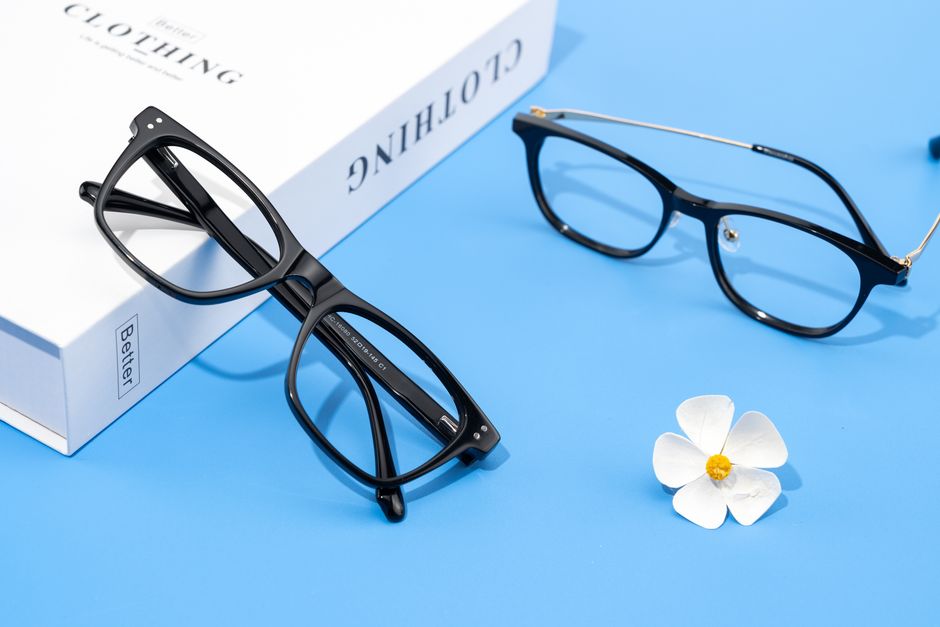
After rhinoplasty, most surgeons advise keeping glasses off the bridge of your nose for a period of time — often several weeks, though the exact timeline varies by surgeon and procedure. The reason is practical, not arbitrary: the nasal bones and cartilage need time to stabilize, and anything resting on the bridge can press on healing tissue. If you need vision correction during recovery, you have safe options. This guide explains what those are, why the timing matters, and what to ask your surgeon.
Why Can’t You Wear Glasses After Rhinoplasty?
Rhinoplasty involves reshaping bone and cartilage in the nose. After surgery, that tissue is healing and the bones may still be knitting together. Anything that presses down on the bridge — including the weight of eyeglasses — can theoretically shift healing structures or cause discomfort.
Surgeons differ on how much risk this actually poses. Some believe external pressure on a healing nose can affect the final shape, particularly in the first few weeks. Others are less concerned, especially after closed procedures or when only the tip was modified. The evidence on whether glasses actually cause long-term deformity is limited. Much of the guidance is based on surgical experience and caution rather than controlled studies.
What is well established: the nose is fragile after surgery, swelling is normal, and your surgeon’s specific instructions should take priority over general advice you find online. The timeline your surgeon gives you reflects your procedure, your anatomy, and how your healing is progressing.
How Long Should You Avoid Wearing Glasses After Rhinoplasty?
There is no single standard timeline. Recommendations vary widely among surgeons, ranging from a few weeks to several months. Some surgeons ask patients to avoid bridge pressure for six weeks; others extend that to eight weeks or longer, especially after osteotomy (bone reshaping) or dorsal augmentation.
The variation exists because the evidence base is thin. No large clinical trial has established a definitive safe window. Surgeons base their guidance on their training, their own outcomes, and the specifics of each case.
What you should do: ask your surgeon directly for a number. Do not assume a general guideline from the internet applies to you. If your surgeon says eight weeks, follow eight weeks. If they say three weeks, follow three weeks.
After the initial restriction period ends, most surgeons allow glasses again, but some still recommend caution for several more weeks or months. Again, this depends on your individual healing.
What Are Safe Alternatives to Glasses During Recovery?
You have several options that avoid bridge pressure entirely.
- Contact lenses. If you already wear contacts and your surgeon approves, these are often the simplest solution. Ask before your surgery so you can plan. Some surgeons ask patients to stop wearing contacts for a short period around the operation itself.
- Glasses taped to your forehead. Some patients tape the top of their frames to their forehead so the weight rests there instead of the nose. This keeps the glasses in roughly the right position without bridge contact. It looks unusual but works in a pinch.
- Glasses suspended from a headband or strap. Devices exist that hold glasses away from the nose. You can also improvise with a soft headband and tape.
- Recovery glasses or nose-free spectacles. Some optical shops sell glasses designed to rest on the cheeks or forehead rather than the bridge. These are not widely stocked, but they exist.
- Going without correction when safe. If your vision allows it and you are not driving or doing tasks that require sharp sight, simply not wearing glasses for a few weeks may be an option. Discuss this with your surgeon and your eye doctor.
Contact lenses are not risk-free. They carry a small risk of infection, and any infection during surgical recovery is a concern. If you wear contacts, follow standard hygiene rules and contact your doctor if you notice redness, pain, or discharge.



Can You Wear Glasses If They Don’t Touch the Bridge?
Yes — if the frames do not rest on the bridge, the main concern is removed. The problem is pressure on healing tissue, not the presence of glasses on your face.
You can test this yourself. Put your glasses on and see where they make contact. If the weight is fully supported by your ears and the frames float above the bridge, you are likely fine. If they press down even slightly, they are not safe during the restriction period.
Some people modify their glasses by bending the nose pads outward or adding padding. This can work, but it is easy to get wrong. A frame that feels fine when you put it on may shift and press on the bridge after a few minutes. Check with your surgeon before relying on a home modification.
What Happens If You Wear Glasses Too Soon?
The honest answer is that we do not know for certain in most cases. The concern is that pressure could cause the nasal bones to shift, create a dent, or affect the final contour. But the evidence linking glasses to poor outcomes is mostly anecdotal and based on surgical reasoning, not controlled studies.
That does not mean the caution is wrong. It means the risk is not precisely quantified. Some patients wear glasses early and have no problems. Others may develop issues. Without good data, surgeons err on the side of caution.
If you accidentally wear glasses for a short time — say, you forget and put them on for a few minutes — do not panic. Tell your surgeon. They can examine you and decide if anything needs to be done. In most cases, brief, light contact is unlikely to cause harm, but only your surgeon can assess your specific situation.
Signs that something may be wrong include new pain, a visible change in the shape of your nose, or swelling that gets worse rather than better. Report any of these to your surgeon promptly.
How Should You Plan Ahead for Glasses After Rhinoplasty?
Planning makes recovery easier. Before your surgery, sort out your vision correction.
- Ask your surgeon about contacts. Find out if and when you can wear them.
- If you cannot wear contacts, ask about recovery glasses or other options.
- Have tape or a headband ready if you plan to tape your glasses up.
- Arrange for someone to drive you home and help with tasks that require clear vision.
- Stock up on any supplies your surgeon recommends for post-operative care.
Also ask your surgeon what they consider “bridge pressure.” Some are strict about any contact at all. Others are mainly concerned about sustained, weighted pressure. Knowing their specific threshold helps you follow instructions accurately.
If you wear glasses for work or driving, plan for time off or alternative arrangements during the restriction period. Do not assume you can return to normal glasses use before your surgeon clears you.
What About Sunglasses and Other Eyewear?
The same rules apply. Sunglasses rest on the bridge just like regular glasses. So do safety glasses, reading glasses, and any other eyewear with a bridge that sits on your nose.
If you need sun protection during recovery, a wide-brimmed hat is a safe alternative. It shields your face without touching your nose. Some surgeons also allow sunglasses if they are taped up or suspended away from the bridge, but check first.
Do not assume that lightweight frames are automatically safe. Even light pressure, applied repeatedly over weeks, could matter. The weight is not the only factor — duration and frequency of contact may also play a role.
When Should You Call Your Surgeon?
Call your surgeon if you have questions about glasses, if you accidentally wore them and are worried, or if you notice any change in your nose that concerns you.
Also call if you develop pain that is new or worsening, redness, fever, or any sign of infection. These are not specific to glasses use, but they are important after any surgery.
Your surgeon knows your procedure and your healing. They are the best source of guidance on when it is safe to wear glasses again. General advice — including the information in this article — cannot replace their specific instructions.
Frequently Asked Questions
How long after rhinoplasty can I wear glasses?
Most surgeons recommend avoiding glasses on the bridge for several weeks, but the exact timeline varies. Ask your surgeon for a specific number based on your procedure.
Can I wear contact lenses after rhinoplasty?
Many surgeons allow contact lenses during recovery, but you should ask before your surgery. Some may ask you to stop wearing them for a short period around the operation.
What if I accidentally wore glasses after rhinoplasty?
Tell your surgeon. Brief, light contact is unlikely to cause harm in most cases, but only your surgeon can assess your situation.
Can I wear sunglasses after rhinoplasty?
Sunglasses rest on the bridge just like regular glasses, so the same restrictions apply. A wide-brimmed hat is a safe alternative for sun protection.
