
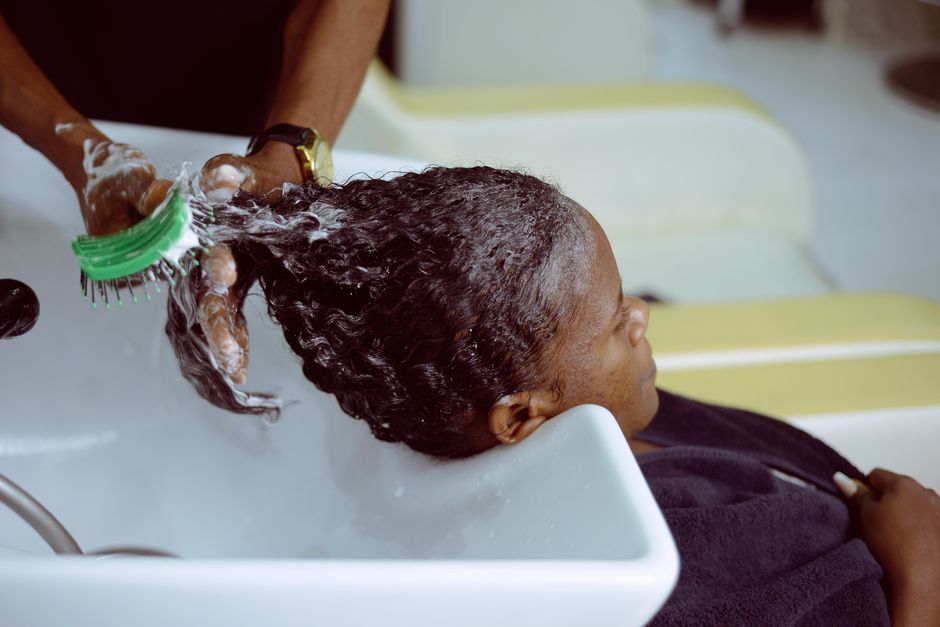
You can wash your scalp without wetting your hair by applying shampoo or a cleansing product directly to the scalp along the part lines, working it in with your fingertips, and removing it with a damp cloth or a targeted rinse rather than pouring water over your head. The goal is to clean the skin of your scalp while keeping the length of your hair dry. It takes a bit more care than a normal wash, but it is very doable.
This method is useful between full washes, when you have a hairstyle you want to protect, or when your scalp feels oily but your hair does not need a reset. Below is how to do it without soaking your hair, plus the tradeoffs you should know about.
How To Wash Your Scalp Only Without Wetting Your Hair?
The core principle is simple: put the cleansing product where the problem is and keep water away from the rest of your hair. Most of the oil, sweat, and buildup collects on the scalp itself, especially along the part and around the hairline. That is the area you are targeting.
Here is a step-by-step approach that works for most hair types:
- Section your hair. Use a comb or your fingers to create clean part lines that expose the scalp. Several small sections work better than one big one.
- Apply product directly to the scalp. Use a nozzle-tip bottle, a cotton pad, or your fingertips to place shampoo or a scalp cleanser right on the exposed skin. Avoid pouring it over the top of your hair.
- Massage gently with fingertips. Work the product into the scalp in small circles. Do not scrub hard with nails. The point is to lift oil and dead skin, not to irritate the skin.
- Remove the product with a damp cloth. Wring out a soft washcloth in warm water so it is damp but not dripping, and wipe the scalp along the part lines. Rinse the cloth and repeat until the product is gone.
- Dry the exposed scalp. Pat the part lines dry with a towel. Keep the rest of your hair away from the damp cloth as much as possible.
The tricky part is step four. Removing shampoo without water running through your hair takes patience. A damp cloth lifts most of the product, but some residue can remain. That residue is the main reason this method is best used occasionally rather than as a full replacement for regular washing.
What Products Work Best for a Scalp-Only Wash?
Products designed to be used with little or no water make this method easier. A few options tend to work better than standard shampoo:
- No-rinse or waterless scalp cleansers. These are formulated to be wiped or toweled off rather than rinsed. They are the most practical choice for this method.
- Standard shampoo in small amounts. A mild shampoo works if you use a small amount and remove it thoroughly with a damp cloth. Strong or medicated shampoos are harder to remove without a full rinse.
- Scalp wipes. Pre-moistened scalp wipes can lift surface oil and refresh the skin. They are not a substitute for a full wash, but they help between washes.
One thing to watch: some scalp treatments, including medicated shampoos for conditions like dandruff or seborrheic dermatitis, are formulated to be rinsed out fully. Leaving them on the skin can cause irritation. If you use a medicated product, check the label directions. If the label says to rinse thoroughly, a damp-cloth method may not remove enough of it, and a full wash is the safer choice.
Does a Scalp-Only Wash Actually Clean Your Scalp?
It cleans the surface reasonably well, but it is not equal to a full wash. A damp cloth removes oil, sweat, and loose skin cells from the exposed scalp. What it does not do as effectively is flush out product buildup deep in the hair or rinse away everything that a running-water wash would carry off.
For most people, that is fine as an occasional refresh. It is not a good long-term substitute for regular washing, especially if you use styling products, have an oily scalp, or have a scalp condition that needs thorough cleansing. Think of it as maintenance between full washes, not a replacement.
There is also a practical limit to how much scalp you can reach. The hairline, the part, and the front of the scalp are easy to access. The back and lower scalp are much harder to clean this way without wetting the hair around them. If your concern is mainly the front and top of the scalp, this method works well. If the whole scalp needs cleaning, a full wash is more effective.
Who Should Avoid Washing Only the Scalp?
Some people should be cautious with this method or skip it. If you have an active scalp condition, a damp-cloth wash may not clean thoroughly enough and could leave irritating residue behind.
Be especially careful if you have:
- A scalp condition being treated with medicated shampoo. These products usually need a full rinse. Incomplete removal can irritate the skin.
- Very oily scalp or heavy product use. Surface wiping may not keep up, and buildup can worsen over time.
- Sensitive or reactive skin. Leaving even small amounts of cleanser on the skin can cause irritation in some people.
- An open scalp wound, recent scalp procedure, or skin infection. Talk to a clinician before using any product on the area.
If you notice itching, redness, flaking that worsens, or a rash after trying this method, stop and see a clinician. These can be signs that product is being left behind or that the scalp needs a different approach.
How Often Can You Wash Just Your Scalp?
There is no official guideline on how often to do a scalp-only wash, because it is a practical workaround rather than a standard clinical recommendation. As a general approach, using it occasionally between full washes is reasonable for most people. Using it as your only cleansing method for weeks at a time is where problems tend to show up.
Watch for signs that it is not keeping up: increased oiliness, itching, flaking, or a scalp that feels coated. Those are signals to do a full wash. If you are protecting a style, plan a full wash around the style’s schedule rather than stretching the scalp-only method too far.
What About Dry Shampoo and Scalp Wipes?
Dry shampoo and scalp wipes are often grouped with scalp-only washing, but they do different things. Dry shampoo absorbs surface oil and adds texture. It does not clean the scalp in the way water and a cleansing product do, and overuse can lead to buildup and itching in some people. Scalp wipes lift surface oil and refresh the skin, but they are a light touch, not a deep clean.
Used sensibly, both can help stretch time between full washes. They are not a replacement for actually cleansing the scalp. If your scalp feels genuinely dirty rather than just a little oily, a proper wash is the better move.
Does This Method Damage Your Hair?
Done carefully, a scalp-only wash is unlikely to damage hair. The main risks are mechanical, not chemical. Repeatedly rubbing a damp cloth against the hair can cause friction, and friction contributes to breakage over time, especially on fragile or chemically treated hair. Keep the cloth damp rather than wet, work along the part lines, and avoid dragging it through the length of your hair.
Residue is the other concern. Product left on the scalp can cause irritation in some people. If you are going to use this method, remove the cleanser as thoroughly as you can and pay attention to how your scalp feels afterward.
Frequently Asked Questions
Can you wash your scalp without wetting your hair?
Yes. You apply a small amount of cleanser directly to the exposed scalp along part lines, massage it in, and remove it with a damp cloth instead of rinsing with running water. It cleans the surface but is not a full substitute for a regular wash.
What can I use to clean my scalp without water?
No-rinse scalp cleansers, scalp wipes, and small amounts of mild shampoo applied directly to the scalp all work. Medicated shampoos that require thorough rinsing are a poor fit for this method.
How do you get shampoo out of your scalp without wetting your hair?
Wipe the scalp repeatedly with a damp, not dripping, washcloth along the part lines until the product is gone. Some residue can remain, so use this method occasionally rather than as your only cleansing routine.
Is a scalp-only wash as good as a full wash?
No. It removes surface oil and sweat from the areas you can reach but does not rinse the whole scalp or clear product buildup as thoroughly as a full wash with running water.
