
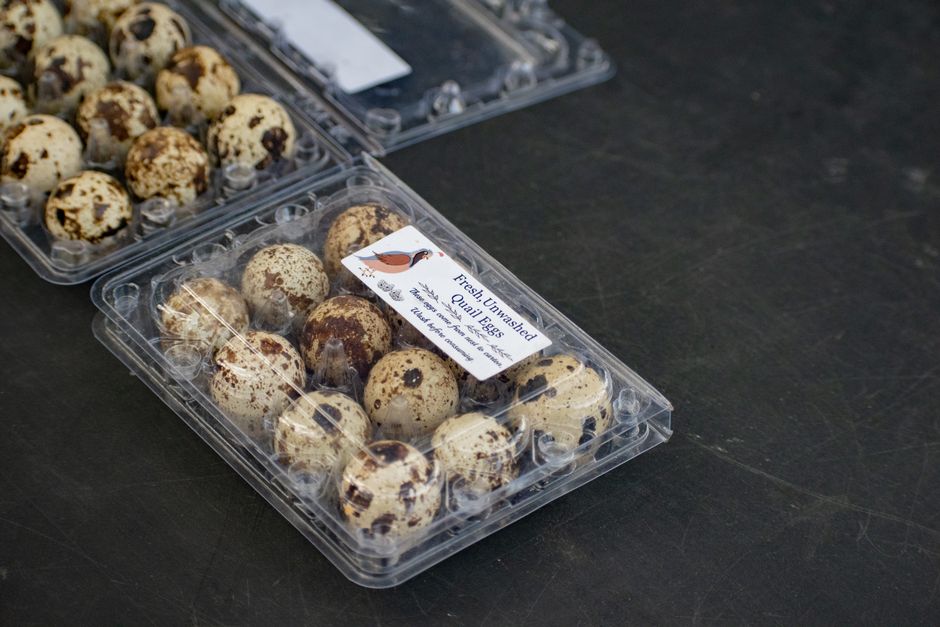
Fresh eggs from a backyard coop or a farm stand often arrive with dirt, feathers, or worse. Washing them the wrong way can push bacteria into the shell, so the goal is to clean them without making them unsafe. The right method is to use warm water that is hotter than the egg, wash them right before you use them, and never soak them in water.
Why Washing Eggs Is Different From Washing Produce
Eggshells look solid, but they are actually porous. The shell is covered with thousands of tiny pores that allow air and moisture to pass through.
More importantly, a fresh egg has a natural protective coating called the bloom or cuticle. This thin layer seals the pores and keeps bacteria from getting inside. When you wash an egg, you remove that bloom. Once it is gone, the egg is more vulnerable to contamination.
This is why the temperature of the water matters so much. If you use cold water, the egg’s contents cool down and shrink slightly. That creates a vacuum effect, pulling water and any bacteria on the shell surface straight through the pores into the egg. Warm water prevents this because the egg stays warm and expands slightly, keeping the pores sealed.
How To Wash Unwashed Eggs The Right Way
Start with the cleanest eggs you can find. Collect eggs often, and brush off loose dirt with a dry cloth or a fine brush before you consider washing. This removes the bulk of the debris without stripping the bloom.
When you do wash, follow these steps:
- Use water that is warmer than the egg. Aim for water around 90°F to 120°F. If it feels warm on your wrist, it is likely fine.
- Rinse the egg under running warm water. Do not soak it in a bowl or sink of water. Soaking allows bacteria in the water to be drawn into the egg.
- Gently rub the shell with your fingers, a soft brush, or a sponge to remove dirt. Avoid anything abrasive that could scratch the shell.
- Dry the egg immediately with a clean paper towel.
- Refrigerate the egg right away.
Do not wash eggs until you are ready to use them. An unwashed egg stored in the refrigerator can last for weeks because the bloom stays intact. A washed egg loses that protection and should be used within a few days.
Water Temperature Is The Most Critical Factor
The single biggest mistake people make is washing eggs in cold water. It seems logical to use cold water for a cold egg, but it is exactly wrong.
Eggs are porous. Cold water causes the egg white to contract, creating negative pressure inside the shell. This suction pulls water and surface bacteria through the pores. Warm water keeps the egg contents from shrinking, so nothing gets pulled inside.
Water that is too hot is also a problem. If the water is hotter than about 120°F, it can start to cook the egg white near the shell. You are not trying to cook the egg, just clean the outside. Keep the water comfortably warm, not hot.





Do You Even Need To Wash Farm Eggs?
In many parts of the world, eggs are not washed at all. In the United States, commercial eggs are washed and sanitized before they reach stores. This is why American eggs must be refrigerated, while eggs in many European countries sit on shelves at room temperature.
For backyard eggs, the answer depends on how dirty they are. An egg with a little bit of straw or a small dirt spot can be cleaned with a dry brush or a slightly damp cloth. This preserves the bloom and keeps the egg safer for longer storage.
An egg that is heavily soiled with manure or mud needs a proper wash. Manure carries bacteria like Salmonella, and leaving it on the shell is a health risk. Wash these eggs carefully and use them soon.
What About Commercial Egg Wash Solutions?
Commercial egg producers use sanitizing solutions to wash eggs. These are approved for food contact and are highly effective at removing bacteria. Some backyard chicken keepers buy these same products for home use.
Plain warm water removes visible dirt, but it does not kill bacteria. A sanitizer adds an extra layer of protection. Options include commercial egg washes sold at farm supply stores or a dilute bleach solution. If you choose to use bleach, follow the manufacturer’s instructions exactly. Using too much can leave residue on the shell.
Some people recommend vinegar or other household cleaners. Do not use dish soap, hand soap, or any product not intended for food. Soap residue can penetrate the shell and affect the taste of the egg.
How To Store Eggs After Washing
Washed eggs must go in the refrigerator. The bloom is gone, so the egg has no natural defense against bacteria. Cold storage slows bacterial growth significantly.
Store washed eggs in a clean carton with the pointy end down. This keeps the yolk centered and helps the egg stay fresh. Do not store eggs in the refrigerator door. The temperature there fluctuates every time the door opens, which can cause condensation on the shell. Condensation creates moisture that helps bacteria move.
Use washed eggs within one to two weeks. Unwashed eggs stored properly in the refrigerator can last four to five weeks or longer. If you are unsure how old an egg is, use the float test. Place the egg in a bowl of water. If it sinks and lies flat, it is fresh. If it stands upright on the bottom, it is older but likely still fine. If it floats, throw it away.
Why You Should Never Soak Eggs
Soaking eggs in a bowl of water is a common practice that should be avoided. When you soak eggs, you create the exact conditions that pull bacteria into the shell.
As the egg absorbs water through its pores, any bacteria present in the water can enter with it. Even if you start with clean water, the dirt and bacteria from the egg shell contaminate the water quickly. You are essentially bathing the egg in its own dirty rinse water.
Running water is the only safe method. The constant flow carries dirt away and prevents bacteria from being drawn into the egg.
Signs Of A Bad Egg
No washing method makes a bad egg good. Learn to recognize eggs that should be discarded.
A foul or sulfur smell is the most obvious sign. Fresh eggs have almost no smell. If an egg smells bad when you crack it, throw it away immediately.
Check the shell for cracks before washing. A cracked shell allows bacteria to enter regardless of your washing technique. If you find a cracked egg, use it right away or discard it. Do not attempt to wash and store it.
After cracking, look at the white and yolk. A fresh egg white is thick and cloudy. The yolk sits high and round. If the white is runny and watery or the yolk flattens easily, the egg is older. It may still be safe to eat, but it is past its prime.
Frequently Asked Questions
Should I wash eggs before putting them in the refrigerator?
No, wash eggs right before you use them, not before storing them. Washing removes the protective bloom, which shortens the egg’s shelf life.
Can I wash eggs with dish soap?
No, do not use dish soap or any cleaning product not made for food contact. Soap residue can pass through the porous shell and affect the egg’s taste.
Is it safe to eat eggs that were washed in cold water?
Cold water washing increases the risk of bacteria being pulled into the egg, but it does not guarantee contamination. To be safe, use warm water and cook the eggs thoroughly.
How long do washed eggs last in the refrigerator?
Washed eggs typically last one to two weeks in the refrigerator. Unwashed eggs with the bloom intact can last four to five weeks.
