
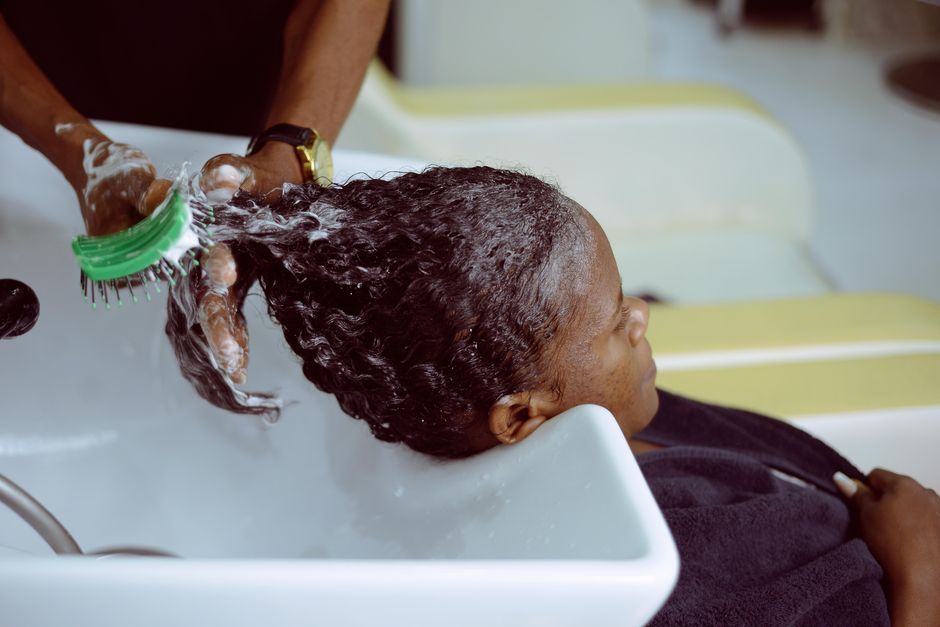
Washing African hair without breakage comes down to three things: handling the hair gently while it is wet, limiting how much you manipulate it during washing, and replacing moisture and oils afterward. Wet hair is weaker and stretches more easily than dry hair, so rough shampooing, tangling, and tugging cause the most damage. A slow, section-by-section wash with a moisturizing shampoo and a careful detangling step protects the hair far better than speed or strong cleansers.
This article explains why textured hair breaks during washing, how to build a wash routine that limits damage, and where common advice goes wrong. It is general information, not medical advice. If you have scalp pain, sores, sudden shedding, or patches of hair loss, see a dermatologist.
Why Does African Hair Break More Easily When Wet?
Water changes the physical state of every hair fiber, and the effect is more pronounced in tightly coiled hair. When hair absorbs water, the fiber swells and the bonds inside it loosen. The hair becomes more elastic and easier to stretch. Hair that stretches too far does not spring back — it breaks.
Texture adds a second problem. Tightly coiled and curly hair forms natural knots and tangles, especially at the ends. Those tangles get tighter when wet. Pulling through a wet tangle can snap strands. Curly hair also tends to be drier, because natural oils from the scalp travel down a coiled strand more slowly than down a straight one. Dry hair is less flexible and more prone to splitting and snapping.
The outer layer of the hair — the cuticle — is the part that takes the beating. Rough handling, harsh detergents, and friction lift and crack the cuticle. Once the cuticle is damaged, the inner fiber is exposed and breaks more easily. This is why gentle handling matters more than any single product.
How Should You Prepare Hair Before Washing?
Detangle before water touches the hair. This is the single most useful step, and many people skip it. Combing through dry or lightly dampened hair with conditioner or a detangling product lets you remove knots while the hair is at its strongest. Trying to remove those same knots after the hair is soaked and swollen is where a lot of breakage happens.
Work in small sections. Start at the ends and move upward toward the roots, rather than dragging a comb from root to tip through a tangle. Use a wide-tooth comb or your fingers. If a knot will not release, add more conditioner and work it apart with your fingers instead of pulling.
A light pre-wash oiling, sometimes called pre-pooing, is common practice. Some people find it reduces the drying effect of shampoo and makes detangling easier. The evidence for this as a formal treatment is limited, but it is low-risk and widely used. Apply a small amount of oil to the lengths and ends, not the scalp, shortly before washing.
How To Wash African Hair Without Breakage: The Step-By-Step Routine
The core principle is to clean the scalp thoroughly while treating the hair lengths gently. Scalp health matters — buildup of oils, sweat, and product can irritate the scalp — but the hair itself does not need aggressive scrubbing.
- Detangle first. Remove knots on dry or damp hair before washing.
- Wet thoroughly. Let water run through the hair gently. Do not pile the hair on top of the head.
- Apply shampoo to the scalp. Focus cleansing at the roots and scalp. Let the lather rinse down through the lengths rather than scrubbing the ends.
- Wash in sections. Part the hair and work through one section at a time. This reduces tangling.
- Rinse gently. Let water flow downward with the hair, not against it.
- Apply conditioner to lengths and ends. Avoid heavy conditioner on the scalp if you are prone to buildup.
- Detangle again while conditioner is in. Use fingers or a wide-tooth comb, working from ends upward.
- Rinse and blot, do not rub. Squeeze water out gently with a towel or cotton T-shirt. Rubbing with a rough towel causes friction.
How often to wash depends on your scalp, activity level, and styling. Some people wash weekly; others every two weeks. There is no single correct frequency — the goal is a clean scalp without excessive manipulation.




Which Shampoos and Conditioners Help Prevent Breakage?
Moisturizing, sulfate-free or gentle-surfactant shampoos are commonly recommended for textured hair. Sulfates are effective cleansers but can be drying, and dry hair is more fragile. That said, some people with oily scalps or heavy product use need a stronger cleanser occasionally to prevent buildup. The right choice depends on your scalp, not a universal rule.
Conditioners matter for breakage because they smooth the cuticle and reduce friction between strands. A conditioner with ingredients that help hair retain moisture and improve slip makes detangling easier, and easier detangling means less snapping. Leave-in conditioners and detangling sprays serve a similar purpose between washes.
Be cautious with claims. Many products market themselves as repairing split ends or permanently restoring damaged hair. Hair is not living tissue — it cannot heal itself the way skin does. Products can smooth the surface and reduce further damage, but no shampoo or conditioner permanently mends a broken strand. That is a useful reality check when reading labels.
What Causes Breakage During Washing — And How Do You Avoid It?
Most washing-related breakage comes from a handful of habits. Recognizing them is more useful than buying more products.
- Brushing or combing wet hair roughly. Wet hair stretches easily. Detangle gently and in sections.
- Piling hair on the head. This creates tangles. Wash with the hair hanging down.
- Rubbing with a rough towel. Friction lifts the cuticle. Blot and squeeze instead.
- Using too much force on knots. Pulling tightens tangles and snaps strands.
- Over-washing with harsh cleansers. This strips oils and leaves hair drier and more fragile.
- Skipping conditioner. Conditioner reduces friction, which directly lowers breakage risk.
Heat and chemical treatments add to the load. Hair that has been relaxed, colored, or heat-styled is more fragile and needs gentler handling. If your hair is already damaged, treat washing as a low-manipulation process and give the hair time to recover.
How Should You Dry and Style Hair After Washing?
Drying is where many people undo the care they took during washing. Wet hair is at its most fragile, so the goal is to remove water with as little friction and tension as possible.
Blot with a soft towel or cotton T-shirt and squeeze gently. Avoid wrapping the hair tightly in a towel and rubbing. If you use heat, keep it on a low setting and keep the dryer moving. High heat combined with wet, fragile hair increases the risk of damage.
Detangle once more when the hair is damp and coated with a leave-in product, again working from ends upward in sections. Then style with low tension. Tight braids, tight ponytails, and heavy pulling on wet hair can cause breakage and, over time, traction-related hair loss. Give the hair and scalp a break from tight styles.
Does Protective Styling Help Between Washes?
Protective styles — braids, twists, and similar low-manipulation styles — can reduce day-to-day handling and friction. The key word is low tension. Styles that pull tightly at the hairline can damage follicles over time and are linked to traction alopecia, a form of hair loss caused by prolonged pulling.
Keep the scalp clean and moisturized under protective styles, and avoid leaving a tight style in for too long. If you notice tenderness, bumps, or thinning at the hairline, loosen or remove the style. These are signs worth paying attention to rather than pushing through.
Frequently Asked Questions
How often should I wash African hair?
There is no single correct frequency — many people wash every one to two weeks, adjusting for scalp oiliness and activity. The goal is a clean scalp without excessive manipulation.
Should I detangle before or after washing?
Detangle before washing, then again gently while conditioner is in the hair. Removing knots before the hair is wet and fragile is where most breakage is prevented.
Can I wash my hair every day if it is breaking?
Daily washing with harsh cleansers can strip oils and make fragile hair drier, so it is generally not recommended for textured hair prone to breakage. If you need to refresh your scalp, a gentle co-wash or water rinse between full washes is a common option.
Does conditioner really reduce breakage?
Conditioner smooths the cuticle and reduces friction between strands, which makes detangling easier and lowers the chance of snapping. It cannot permanently repair a broken strand, but it helps prevent further damage.
