
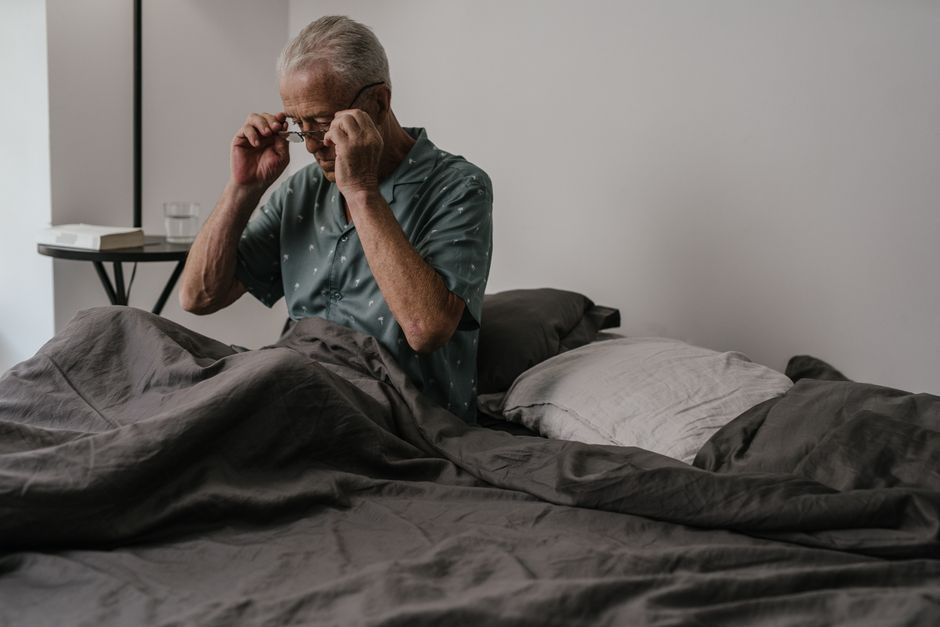
Waking an older adult gently means speaking their name in a calm, normal voice from a few feet away, giving them time to respond, and never shaking them or shouting. If they are hard of hearing, speak louder and lower rather than higher. Approach from the front where they can see you. If they do not respond to voice and touch, treat it as a medical emergency and call 911.
That is the short version. The longer version matters because waking someone abruptly can startle them, and in an older adult a startle response carries risks that do not apply to a healthy 25-year-old. A sudden awakening can spike blood pressure and heart rate, trigger confusion, or in some cases provoke a fall. Understanding why helps you do this well.
Why Is Waking An Elderly Person Different From Waking Anyone Else?
Older bodies regulate blood pressure and heart rhythm less flexibly than younger ones. When you startle someone awake, the nervous system releases a surge of adrenaline. In a young person, blood vessels adjust quickly. In an older person, especially one taking blood pressure medication, that adjustment can lag. The result can be a brief drop in blood pressure on standing, known as orthostatic hypotension, which is a common cause of falls in older adults.
Sleep also changes with age. Older adults spend less time in deep slow-wave sleep and more time in lighter stages. That sounds like it would make them easier to wake, and often it does. But it also means they may surface from sleep in a more disoriented state, especially if woken suddenly. This is sometimes called sleep inertia, a groggy, confused period that can last minutes.
Dementia adds another layer. A person with Alzheimer’s disease or another form of dementia may not immediately recognize where they are or who is waking them. A gentle, familiar voice reduces that confusion. A loud noise or a shake can trigger fear or an agitated response.
There is one more factor people rarely consider. Hearing loss is common in older adults, and it often affects high-pitched sounds first. That is why raising your voice pitch does not help and may make you harder to understand. Lowering your pitch and speaking clearly works better.
How To Wake Up An Elderly Person Safely And Gently Step By Step
Start with sound before touch. Call the person’s name in a normal conversational voice from about three to four feet away. Use the name they prefer. Wait several seconds. Many older adults wake to voice alone if given the chance.
If there is no response, move closer and say their name again, slightly louder. Add a simple orienting statement: “It’s 8 o’clock, time for breakfast.” Orienting information helps reduce confusion on waking.
If they still do not respond, place a hand gently on their shoulder or forearm. A light touch on the arm is usually better than the shoulder, which can feel more intrusive. Do not shake. Do not pat repeatedly. Rest your hand there and speak again.
Once their eyes open, give them a moment. Do not immediately ask questions or hand them something. Let them blink and look around. If they seem confused, remind them where they are and what time it is.
If you need to help them sit up, do it slowly. Sitting on the edge of the bed for a minute or two before standing reduces the risk of a blood pressure drop. This is standard practice in hospitals and care facilities for good reason.
- Speak their name in a calm voice first
- Wait several seconds before repeating
- Move closer and speak slightly louder if needed
- Use light touch on the arm, never a shake
- Give orienting information: time, place, what’s happening
- Allow time to sit up before standing
What Should You Never Do When Waking An Older Adult?
Never shake an older person awake. Shaking the shoulders or body can be jarring, and in someone with neck or spine issues it carries physical risk. It also triggers the startle response described earlier.
Never shout directly into their ear. Beyond being frightening, it can be painful if there is earwax buildup or an ear infection, both common in older adults. Loud sudden noise also raises the risk of an agitated response in someone with dementia.
Never flip on a bright overhead light as your first move. A sudden bright light in a dark room is disorienting. If you need light, use a lamp or open a curtain gradually.
Never grab an arm or hand to pull someone upright. Pulling can injure fragile skin, which tears more easily with age, and can wrench a shoulder. If the person needs help sitting up, support them rather than pulling them.
Never assume a non-responsive person is simply sleeping deeply. If voice, touch, and a reasonable attempt do not wake them, and especially if their breathing seems unusual or they do not respond to a firm but gentle touch, call 911. Unresponsiveness can indicate a stroke, a severe drop in blood sugar, or another emergency.
How Do You Wake Someone With Hearing Loss Or Dementia?
For hearing loss, face the person directly and speak in a lower pitch. Many older adults hear low frequencies better than high ones. Make sure your mouth is visible so they can read your lips if they do that naturally. If they wear hearing aids, waking them is easier if the aids are within reach, though putting them in while the person is groggy rarely works well. Wait until they are more alert.
For dementia, familiarity matters more than volume. Use the name they answer to, not a formal name they may not connect with. Mention something grounding: “It’s Tuesday, you’re at home.” Avoid asking questions right away, since questions demand a response the person may not be ready to give. Statements work better than questions in the first minute or two.
Some people with dementia wake more easily if a routine is followed. Same time, same words, same order of events. Predictability reduces the confusion that comes with waking.
If the person becomes agitated, do not argue or correct them. Give them space and time. Agitation on waking usually settles within a few minutes once orientation returns.
When Is Not Waking Up A Medical Emergency?
Unresponsiveness is a medical emergency until proven otherwise. Call 911 if the person does not respond to their name, a light touch, and a firm but gentle voice, or if their breathing looks abnormal, sounds gurgly, or is very slow or very fast.
Other signs that mean call 911 rather than keep trying to wake them:
- One side of the face droops or one arm is limp
- Slurred speech or inability to speak
- No response to a firm touch on the arm or shoulder
- Breathing that is irregular, very slow, or gasping
- A known history of diabetes with signs of low blood sugar, such as sweating and paleness
Do not try to give food or drink to an unresponsive person. Do not try to sit them up. Keep them safe and call for help.
One distinction worth knowing: it is normal for an older adult to be slow to wake and groggy for a minute or two. It is not normal for them to be unresponsive to a firm touch or a loud voice. The line between “sleeping deeply” and “not responding” is the line between waiting and calling 911.
Does The Time Of Day Or Sleep Position Matter?
Time of day matters mostly because of sleep cycles. Waking someone during deep sleep produces more grogginess than waking them during lighter sleep. You cannot control which stage they are in, but you can avoid waking them unnecessarily. If a nap is optional, letting it finish naturally is gentler.
Sleep position matters for a different reason. An older adult who sleeps propped up, common with acid reflux or breathing issues, may need a moment to adjust when waking. Sitting up too fast from a reclined position increases the risk of dizziness.
Room temperature and bedding also play a small role. Someone who is cold or tangled in blankets may wake more abruptly or with more discomfort. A calm, comfortable environment supports a gentler waking.
None of this is complicated. The core of it is simple: slow down, use a familiar voice, touch lightly, and give the person time. The risks of waking someone abruptly are real but easy to avoid once you know what they are.
Frequently Asked Questions
How do you wake up an elderly person gently?
Call their name in a calm voice from a few feet away and wait several seconds. If they do not respond, move closer, speak slightly louder, and place a light hand on their arm without shaking.
Is it safe to shake an elderly person awake?
No. Shaking can trigger a startle response that spikes blood pressure and heart rate, and it carries physical risk for someone with neck or spine issues. Use voice and light touch instead.
When should you call 911 for an elderly person who won’t wake up?
Call 911 if they do not respond to their name, a firm but gentle touch, or a loud voice, or if their breathing looks abnormal. Unresponsiveness can signal a stroke or another emergency.
Why do elderly people wake up confused?
Older adults spend less time in deep sleep and more in lighter stages, so they may surface from sleep disoriented. Dementia and hearing loss can make that confusion worse, which is why a familiar voice and simple orienting information help.
