
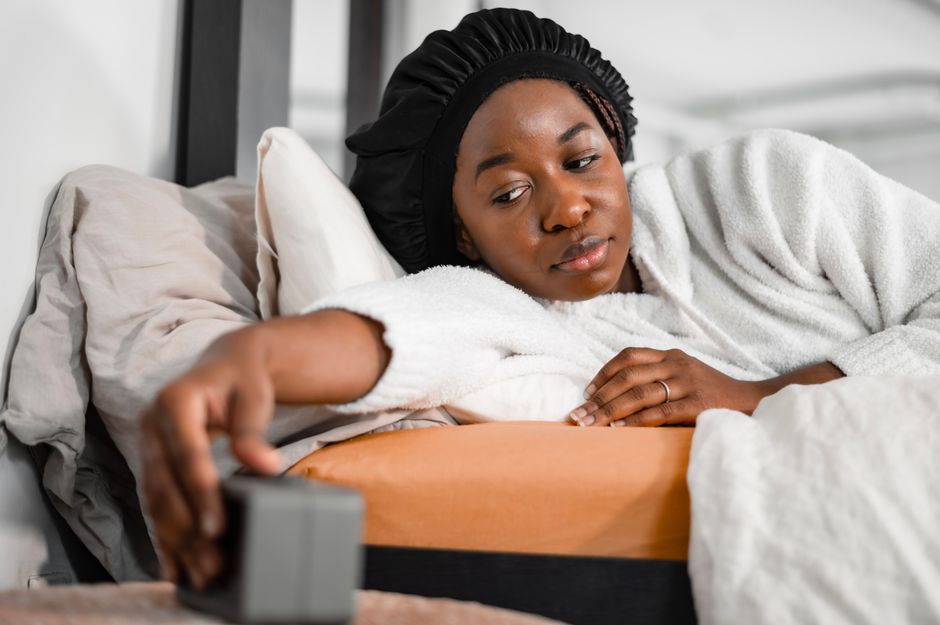
Waking a heavy sleeper is harder than it looks, and it is not simply about being louder. The most reliable approach combines three things: a sound or light that builds gradually rather than blasting all at once, physical touch that is firm but calm, and calling the person’s name in a normal voice before escalating. If the person does not respond to any of these within about a minute, treat it as a possible medical emergency rather than ordinary deep sleep.
That last point matters more than most people realize. There is a real difference between someone who sleeps deeply and someone who cannot be roused at all, and the two situations call for completely different responses.
Why Are Some People Such Heavy Sleepers?
Sleep depth is not a personality trait. It is a measurable stage of brain activity. During non-REM stage 3 sleep — often called slow-wave or deep sleep — the brain produces large, slow electrical waves, and the threshold for waking a person is at its highest. This stage is concentrated in the first third of the night. A person woken during deep sleep is more likely to be groggy, confused, or slow to respond than someone woken from lighter sleep.
Some people spend more time in deep sleep than others, and the reasons are mostly biological rather than a matter of willpower.
- Sleep debt. A person who is chronically short on sleep builds pressure for deep sleep, making the early night heavier and harder to interrupt.
- Genetics. Twin studies have found that sleep timing and depth run in families, suggesting a real inherited component.
- Age. Deep sleep declines substantially from childhood through adulthood, which is why teenagers can sleep through alarms that would wake their parents.
- Medications and alcohol. Sedatives, some antihistamines, and alcohol can deepen sleep and blunt the arousal response.
- Sleep disorders. Obstructive sleep apnea and other conditions can fragment sleep and change its architecture.
The practical takeaway: a heavy sleeper is not being stubborn. Their brain is genuinely processing sound and touch differently at that moment.
How To Wake Someone Up Who Is A Heavy Sleeper: A Step-By-Step Approach
Start gentle and escalate in steps. Jumping straight to shouting or shaking tends to produce a startle response, confusion, and sometimes a swing of the arm before the person is oriented.
Here is an order that works for most people:
- Say their name in a normal voice. Use the name they actually go by, not a nickname they ignore. Repeat it two or three times with a short pause between.
- Add light. Turn on a lamp or open a curtain. Bright light reaches the brain through the eyes and signals that the sleep period is ending. This is one of the most reliable non-physical cues.
- Touch the shoulder or arm firmly. A steady hand on the shoulder, with gentle pressure, is usually more effective than a light tap. Avoid shaking the head or neck.
- Combine sound, light, and touch at the same time. Multiple signals at once are harder for the brain to filter out than any single one.
- Raise your voice only if needed. A firm, clear voice — not a scream — is the next step.
- Give them a moment to orient. Once their eyes open, expect grogginess. Ask a simple question like “Can you tell me your name?” to check whether they are actually awake.
If none of this works after about a minute of genuine effort, stop treating it as ordinary deep sleep and see the section below on when to call for help.
What Actually Wakes a Deep Sleeper’s Brain?
The brain does not switch off during sleep. It continues to monitor the environment, but it filters what it considers relevant. The signals that get through are the ones that are meaningful, changing, or urgent.
This explains a few things that surprise people:
- Their own name works better than a generic sound. The brain processes personally relevant information differently, even during sleep.
- A smoke alarm is designed to be hard to ignore. Its specific tone pattern is engineered to cut through sleep, which is why it is far more effective than a phone ringtone.
- Sudden silence can wake someone too. A change in the sound environment — not just volume — can trigger arousal.
- Habit matters. A person who has woken to the same alarm for years may sleep through it because the brain has learned to treat it as background noise. Changing the alarm sound can help.
One of the most useful — and least obvious — things you can do is change the type of signal, not just make it louder. A different sound, a light, and a touch together do more than a louder version of the same sound.
What Should You Avoid When Waking a Heavy Sleeper?
Some common waking methods are ineffective or genuinely risky.
- Shaking hard or roughly. Violent shaking, especially of the head or neck, can cause injury and is especially dangerous if the person has a neck or spine condition.
- Yelling directly into the ear. This can be startling and, in rare cases, harmful to hearing.
- Pouring water or splashing the face. This can cause choking if the person is not fully conscious, and it damages trust.
- Pulling off blankets in cold rooms. A sudden drop in body temperature is uncomfortable and can trigger a startle response, but it does not reliably wake a deep sleeper.
- Assuming they are just lazy. Repeated inability to wake to alarms is a recognized symptom, not a character flaw.
If someone routinely sleeps through alarms, misses appointments, or feels unrefreshed no matter how long they sleep, that pattern is worth discussing with a doctor. It can point to a sleep disorder rather than ordinary deep sleep.
When Is Not Waking Up a Medical Emergency?
Some situations require emergency help, not a better waking technique. Call 911 if a person cannot be woken and any of the following are true:
- They are breathing abnormally — very slowly, irregularly, or not at all.
- They have a known condition such as diabetes, epilepsy, or a head injury.
- There are signs of a possible overdose, including empty pill bottles or drug paraphernalia nearby.
- They are cold, clammy, or their skin color looks wrong.
- They were fine earlier and became unresponsive suddenly.
- There is any chance of carbon monoxide exposure.
In these cases, do not keep trying to wake them on your own. Call for help, and follow the dispatcher’s instructions. If the person is not breathing normally, the dispatcher may guide you through CPR.
The line between deep sleep and a medical emergency is not always obvious. When in doubt, treat it as an emergency. Calling for help when it turns out to be nothing is far better than waiting when it is something.
Can Heavy Sleepers Train Themselves To Wake More Easily?
To some degree, yes, though the evidence is stronger for some methods than others.
Improving sleep habits is the most reliable path. Going to bed and waking at consistent times, getting enough total sleep, and limiting alcohol and sedating medications before bed all reduce the pressure for deep sleep and make waking easier. Research consistently shows that sleep debt is a major driver of how deeply a person sleeps.
Alarm strategies that some people find helpful include:
- Using a sunrise-style alarm that brightens gradually before the sound starts.
- Placing the alarm across the room so it cannot be silenced from bed.
- Changing the alarm tone periodically so the brain does not tune it out.
- Using a vibrating alarm or a wearable device that shakes the wrist.
These are widely used, but the evidence for any single device being reliably effective for heavy sleepers is limited. What works for one person may not work for another, and no alarm replaces adequate sleep.
If someone has tried these steps and still cannot wake reliably, a sleep study may be warranted. Conditions like obstructive sleep apnea are common and treatable, and they often present first as difficulty waking up and daytime sleepiness.
Frequently Asked Questions
What is the fastest way to wake a heavy sleeper?
Combine their name, bright light, and firm touch on the shoulder at the same time. Using several signals together is more effective than any single method.
Is it dangerous to shake someone awake?
Gentle shaking of the shoulder is generally fine, but rough shaking — especially of the head or neck — can cause injury and should be avoided. Use firm pressure instead of vigorous movement.
Why can’t I wake my partner up no matter what I do?
If they cannot be woken at all, or if their breathing is abnormal, treat it as an emergency and call 911. If it happens regularly but they do wake, it may point to a sleep disorder worth discussing with a doctor.
Can a heavy sleeper become a light sleeper?
Sleep depth is partly genetic, so it rarely changes completely. Reducing sleep debt and treating any underlying sleep disorder can make waking noticeably easier for many people.
