
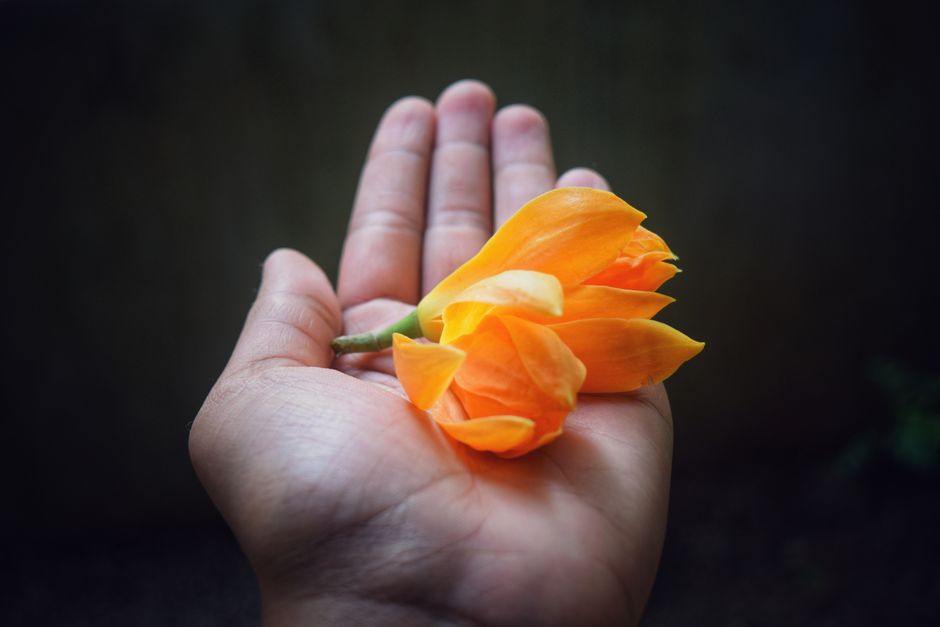
Ylang ylang oil is a fragrant essential oil often used in aromatherapy, and some small studies have looked at whether inhaling it can affect blood pressure. The short answer: there is no strong evidence that ylang ylang oil lowers blood pressure in a meaningful or lasting way, and it is not a treatment for high blood pressure. Most of what people do with it involves inhaling the scent or applying it diluted to the skin, but anyone with hypertension should treat it as a pleasant extra at most, not a substitute for proven care.
If you want to try it, the common approach is to add a few drops to a diffuser, or dilute it in a carrier oil and massage it into the skin. Keep it away from your eyes, never swallow it, and talk to your doctor before using it if you take blood pressure medication.
What Does the Evidence Actually Show About Ylang Ylang and Blood Pressure?
The evidence is thin. A small number of studies have looked at aromatherapy with ylang ylang and reported modest changes in blood pressure or heart rate, but these were generally short, small, and often combined ylang ylang with other oils. That makes it impossible to credit ylang ylang itself.
One frequently cited study examined aromatherapy massage and found small effects on blood pressure and stress markers, but massage alone can influence those readings. Relaxation, touch, and a calm environment all affect blood pressure temporarily. Isolating the oil’s contribution is difficult.
Here is the practical point. Even if inhaling ylang ylang produces a small, short-lived drop in blood pressure, that is not the same as treating hypertension. High blood pressure is a chronic condition managed over months and years. A brief change during a relaxing session does not change your cardiovascular risk.
No large, well-controlled human trial has confirmed that ylang ylang oil lowers blood pressure in a clinically meaningful way. Anyone who tells you otherwise is going beyond what the research supports.
How To Use Ylang Ylang Oil To Lower Blood Pressure?
There is no established protocol, because the effect itself is not established. What people actually do falls into two categories: inhaling the scent and applying it diluted to the skin. Both are traditional aromatherapy practices, not clinical treatments.
Inhalation is the most common method. You add a few drops to a diffuser or place a drop on a tissue and breathe it in. This is generally considered low risk for most adults when used in a ventilated room.
Topical use requires dilution. Essential oils are concentrated, and ylang ylang can cause skin irritation or allergic reactions in some people. A common approach is to dilute a few drops in a carrier oil such as jojoba or sweet almond oil before applying to the skin. Patch-test a small area first.
A few safety points that matter:
- Never swallow essential oils. Ylang ylang oil is not for internal use.
- Keep it away from the eyes and mucous membranes.
- Do not apply undiluted oil to skin.
- Avoid it around infants and young children, and check with a doctor before using it during pregnancy or breastfeeding. No clinical guidelines establish safe dosing for these groups.
- If you have asthma or a respiratory condition, be cautious with strong scents and diffusers.
None of these methods is a treatment for high blood pressure. They are ways to enjoy a scent, and the relaxation that comes with it may be pleasant. That is a different claim from lowering blood pressure.
Can Aromatherapy Really Lower Blood Pressure?
Relaxation can affect blood pressure in the short term, and that is real. When you are calm, your heart rate and blood pressure can dip slightly. Aromatherapy may contribute to that calm feeling for some people.
But short-term relaxation is not the same as lowering chronic high blood pressure. The measurements that matter for your health are your resting readings over time, taken properly and consistently. A relaxing scent does not change the underlying factors that keep blood pressure elevated.
Some research suggests aromatherapy can reduce self-reported stress and anxiety. Stress is one factor that can influence blood pressure, but the relationship is complicated, and managing stress is only one part of blood pressure control. It does not replace medication, diet, exercise, or weight management when those are needed.
Be skeptical of claims that a scent can treat hypertension. That is marketing, not medicine.
What Actually Lowers Blood Pressure?
Established approaches have real evidence behind them. These include reducing sodium intake, eating a diet rich in fruits, vegetables, and whole grains, getting regular physical activity, limiting alcohol, not smoking, and maintaining a healthy weight. When lifestyle changes are not enough, medication is often needed and is well studied.
Blood pressure is measured in millimeters of mercury (mmHg). A normal reading is generally below 120/80 mmHg. High blood pressure is typically diagnosed at 130/80 mmHg or above, though your doctor will consider your overall health. These thresholds come from established clinical guidance, not from aromatherapy research.
If your blood pressure is elevated, the most useful thing you can do is work with a clinician. Home monitoring with a validated cuff, taken correctly and at consistent times, gives you real information. A diffuser does not.
Is Ylang Ylang Oil Safe?
For most adults, occasional inhalation or properly diluted topical use is considered low risk. That does not mean risk-free. Essential oils can cause skin irritation, allergic reactions, and, in rare cases, more serious reactions.
Ylang ylang contains compounds that some people are sensitive to. If you notice redness, itching, or a rash, stop using it. If you have a known allergy to plants in the same family, be especially cautious.
There is also a real concern about ingesting essential oils. Some people promote swallowing them, which is dangerous. Ylang ylang oil should not be swallowed. Keep bottles out of reach of children and pets.
If you take blood pressure medication or any prescription drugs, mention essential oil use to your doctor. While topical and inhaled use is unlikely to interact significantly, it is worth being transparent about what you are using.
The Bottom Line on Ylang Ylang and Blood Pressure
Ylang ylang oil smells lovely and may help you feel relaxed. That is a reasonable reason to use it. It is not a blood pressure treatment, and the evidence does not support using it to lower blood pressure.
If you enjoy aromatherapy, use it safely: diffuse it, dilute it for skin use, and keep it away from children. If you have high blood pressure, focus on the approaches that are actually proven. Talk to your doctor about your readings and your plan.
Do not let a pleasant scent distract you from the care that genuinely protects your heart.
Frequently Asked Questions
Does ylang ylang oil lower blood pressure?
There is no strong evidence that it does in a meaningful or lasting way. Some small studies suggest aromatherapy may have minor short-term effects, but this is not a treatment for high blood pressure.
How do you use ylang ylang oil for blood pressure?
People typically inhale it through a diffuser or apply it diluted to the skin. Neither method is an established treatment for high blood pressure, and the oil should never be swallowed.
Is ylang ylang oil safe to use every day?
Occasional use is generally considered low risk for most adults, but daily use over long periods has not been well studied. Dilute it for skin use and stop if you notice irritation.
Can I stop taking blood pressure medication if I use essential oils?
No. Never stop or change blood pressure medication without talking to your doctor. Essential oils are not a substitute for proven treatment.
