
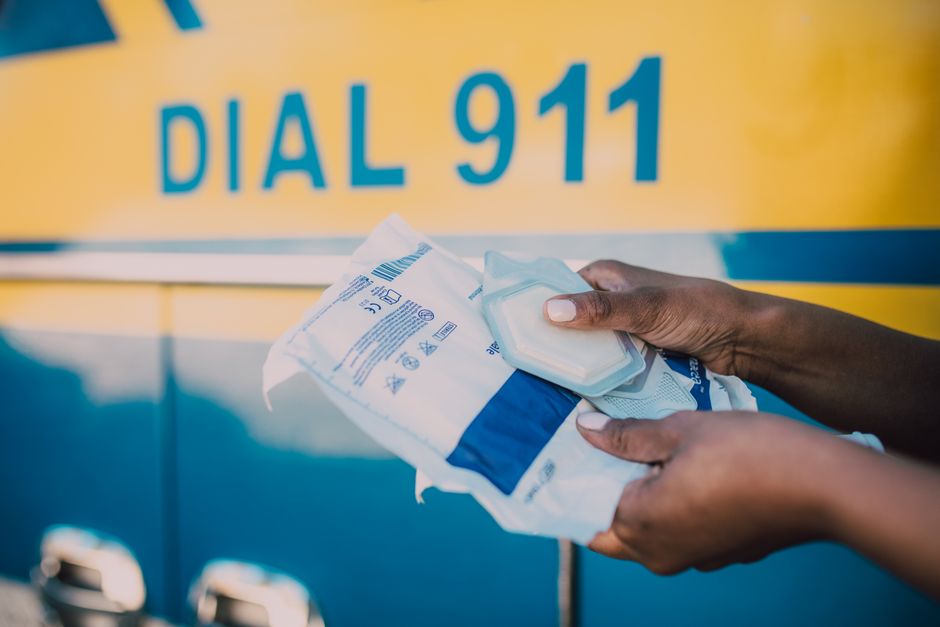
Xeroform is a fine mesh gauze dressing coated with petrolatum and 3% bismuth tribromophenate. It is designed to keep wounds moist, prevent the dressing from sticking to the healing tissue, and reduce bacterial growth on the dressing itself. To use it correctly, you apply the dressing directly onto the clean wound bed, cover it with dry gauze, and change it according to your clinician’s schedule—typically once a day or every few days depending on the wound type and drainage level.
What Is Xeroform and How Does It Work?
Xeroform is a non-adherent dressing. The petrolatum base keeps the gauze from adhering to the wound surface, which protects newly forming skin cells when the dressing is removed. The bismuth tribromophenate is a mild antiseptic that helps limit bacterial colonization on the dressing material itself.
It is important to understand that Xeroform does not actively heal a wound. It creates a moist environment that supports the body’s own healing process. Moist wound healing is well established in clinical practice as superior to letting a wound dry out, because it allows cells to migrate more easily and reduces scab formation.
Xeroform is commonly used after skin procedures, on minor burns, on donor sites, and on superficial wounds that are healing by secondary intention. It is not designed for heavily infected wounds or wounds with significant dead tissue.
How To Use Xeroform Petrolatum Dressing Correctly?
Start by washing your hands thoroughly with soap and water. If you are caring for someone else’s wound, put on clean medical gloves. Open the sterile package carefully without touching the dressing itself with bare hands.
Clean the wound as directed by your healthcare provider. Typically this means rinsing gently with sterile saline or clean water. Do not use hydrogen peroxide or alcohol on a healing wound unless specifically told to do so, as these can damage new tissue.
Pat the surrounding skin dry. The wound bed itself should be moist but free of excess fluid and debris. Gently place the Xeroform dressing directly onto the wound surface. The petrolatum side goes down, against the wound. Do not stretch the dressing or wrap it tightly.
Cover the Xeroform with dry gauze or an absorbent pad. Secure everything in place with medical tape or a light bandage. The outer layer keeps the Xeroform from drying out and absorbs any drainage that may occur.
How Often Should You Change Xeroform?
Change frequency depends on the wound and your clinician’s instructions. Many wounds with minimal drainage require a change every one to three days. Wounds that produce more fluid may need daily changes or more frequent attention.
If the outer gauze becomes soaked with drainage, change the entire dressing. Do not simply add more gauze on top. A saturated dressing can allow bacteria to travel up the moist surface and increase infection risk.
Some clinicians leave Xeroform in place longer for certain wound types, such as skin graft donor sites. In those cases, the dressing may stay for five to seven days to allow the underlying skin to heal undisturbed. Follow your specific provider’s instructions over any general guidance.
When removing the dressing, lift it gently. If it sticks to the wound, moisten it with sterile saline and wait a few minutes before trying again. Pulling a dry dressing off can tear fragile new tissue and delay healing.
What Wounds Are Xeroform Best For?
Xeroform works well for shallow wounds where the goal is to protect new skin growth. Common uses include:
- Skin graft donor sites
- Superficial partial-thickness burns
- Abrasions and lacerations
- Post-surgical incisions that are healing open
- Pressure injuries in early stages
It is not appropriate for wounds that are deeply infected, have visible yellow or black dead tissue, or produce thick foul-smelling drainage. Those wounds require debridement and often a different type of dressing that manages infection more actively.
Xeroform is also used as a protective layer around wounds with exposed tendons or bone, but only under professional supervision. Never use Xeroform on a wound that your clinician has not evaluated.
Signs of Infection to Watch For
Even with proper dressing technique, wounds can become infected. Watch for increasing redness around the wound edges, warmth, swelling, or pain that worsens instead of improving. Pus that is green, yellow, or foul-smelling is a concern. Fever or chills alongside a wound should prompt immediate medical attention.
Some wound drainage is normal. Clear or light yellow fluid in small amounts is part of the healing process. The problem is when drainage increases, changes color, or develops an odor.
If you notice any of these signs, contact your healthcare provider. Do not continue treating the wound on your own. An infected wound needs professional evaluation and often prescription treatment.
Common Mistakes To Avoid
One common mistake is applying Xeroform to a wound that has not been cleaned properly. The dressing is not a cleanser. It cannot remove bacteria or debris from the wound surface. It only protects what is already there.
Another mistake is using Xeroform on wounds that are too dry. This dressing is designed for wounds that have some moisture. On a completely dry wound with thick crusting, a different product such as a hydrogel may be more appropriate.
Some people leave Xeroform on far longer than recommended, thinking that less disturbance means faster healing. While minimizing disruption is good, leaving a dressing until it becomes saturated or odorous increases infection risk. Follow the change schedule your provider gives you.
Do not cut Xeroform with scissors that have not been sterilized. If you need a smaller piece, use sterile scissors or have your clinician prepare the dressing during your visit.
Xeroform vs. Other Non-Adherent Dressings
Several dressings are similar to Xeroform. Plain petrolatum gauze has no antiseptic component. Adaptic is a non-adherent dressing coated with petrolatum but without bismuth. Xeroform adds the mild antiseptic, which some clinicians prefer for wounds at higher risk of bacterial colonization.
There is no strong evidence that Xeroform outperforms plain petrolatum gauze for most routine wounds. The bismuth component is mild and its clinical benefit is debated. Some research suggests that any difference in infection rates is minimal for clean wounds.
Cost and availability often drive the choice. Xeroform is widely available and relatively inexpensive. For simple wounds, plain petrolatum gauze may work just as well. Your clinician’s preference and your specific wound characteristics matter more than subtle product differences.
When To Seek Medical Care
You should not manage a complex wound at home without professional guidance. Wounds that extend through the full thickness of the skin, wounds with visible fat or muscle, and wounds from animal bites all need medical evaluation. Diabetic foot wounds and wounds in people with poor circulation also require professional care.
If you are changing a dressing and the wound looks worse than the day before, call your provider. If you are unsure whether Xeroform is the right dressing for your situation, ask. Using the wrong dressing can delay healing or mask an underlying problem.
For minor wounds that your clinician has already evaluated and cleared for home care, Xeroform is straightforward to use. Keep the wound clean, change the dressing on schedule, watch for signs of infection, and let the body do the healing it is designed to do.
Frequently Asked Questions
Can I leave Xeroform on for a week?
Only if your clinician specifically instructed that schedule, which is sometimes done for skin graft donor sites. For most wounds, leaving Xeroform unchanged for a full week increases infection risk and is not recommended.
Does Xeroform need to be wet before applying?
No. Xeroform comes pre-moistened with petrolatum and is applied directly to the wound surface. If the dressing has dried out in an opened package, discard it and use a fresh sterile piece.
Can I use Xeroform on an infected wound?
No. Xeroform is not designed to treat active infections. It contains a mild antiseptic that limits bacterial growth on the dressing, but it will not resolve an established infection. Infected wounds require professional evaluation and appropriate treatment.
Is Xeroform safe for children?
Yes, when used as directed by a healthcare provider for appropriate wounds. The same principles apply: clean the wound, apply the dressing directly, cover with dry gauze, and change according to the clinician’s instructions.
