
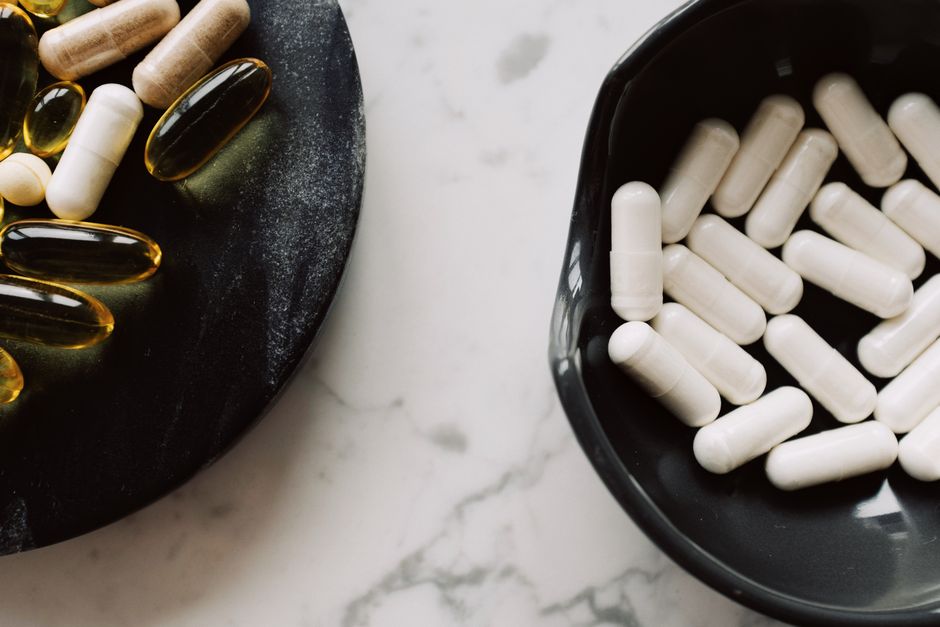
Pimple marks can linger long after the breakout itself has healed. Many people turn to vitamin E capsules as a home remedy, hoping the oil will fade dark spots and smooth rough texture. The practical answer is that you can apply the oil directly from a pierced capsule to clean skin, but you need to know the risks and the evidence before you start. Vitamin E is not a proven treatment for all types of pimple marks, and for some people it can actually cause more problems than it solves.
What Are Pimple Marks and Why Do They Form?
Pimple marks are not the same as scars. A mark is a change in skin color or texture that usually fades over time. A scar is permanent tissue damage. Most people who complain about “marks” actually have post-inflammatory hyperpigmentation (PIH) or post-inflammatory erythema (PIE).
PIH appears as flat brown or dark patches. It happens when the skin produces extra melanin in response to inflammation from the pimple. This type is more common in darker skin tones. PIE appears as flat red or pink patches. It happens when blood vessels dilate during inflammation and stay widened after the pimple heals. This type is more common in lighter skin tones.
Neither PIH nor PIE is a true scar. Both can fade on their own, but the process can take weeks or months. Vitamin E is often used because people assume the oil will nourish the skin and speed up this healing. The reality is more complicated.
Does Vitamin E Actually Fade Pimple Marks?
The evidence for vitamin E as a treatment for pimple marks is weak. No large clinical trials have confirmed that applying vitamin E oil to the skin fades PIH or PIE. Some small studies and case reports suggest it might help with certain types of scars, but the results are inconsistent.
One well-known issue is that vitamin E can cause contact dermatitis. A study published in the journal Dermatologic Surgery found that a significant number of people who applied vitamin E to healing wounds developed a rash. This reaction is more likely with pure vitamin E oil than with diluted formulations. If your skin reacts, you will end up with more inflammation, which can make the pimple mark worse.
Vitamin E does have antioxidant properties. In theory, this could help reduce oxidative stress in the skin and support healing. But biological plausibility is not the same as clinical proof. The evidence that oral vitamin E supplements improve skin pigmentation is also limited. Most dermatologists do not recommend vitamin E as a first-line treatment for pimple marks.
How To Apply Vitamin E Capsules Safely
If you still want to try vitamin E capsules, you can do so with some precautions. Start by washing your face with a gentle cleanser and patting it dry. Pierce one capsule with a clean pin or scissors and squeeze the oil onto your fingertip.
Apply a thin layer only to the pimple mark itself. Do not spread it over your whole face. Vitamin E oil is thick and can clog pores, which may lead to new breakouts. If you have acne-prone skin, this is a real concern.
Leave the oil on for about 20 to 30 minutes, then rinse it off with lukewarm water. Some people leave it on overnight, but this increases the risk of clogged pores and contact dermatitis. Start with a short contact time to see how your skin reacts.
Test the oil on a small area of skin first. Apply a tiny amount to the inside of your forearm and wait 24 hours. If you see redness, itching, or bumps, do not use it on your face. If you have no reaction, you can try it on one pimple mark first before treating multiple spots.




What Type of Vitamin E Should You Use?
Vitamin E capsules come in different forms. The most common is alpha-tocopherol, which is the form most active in the human body. Some products contain tocopherol blends or mixed tocopherols, which include other vitamin E compounds.
Pure vitamin E oil from a capsule is very concentrated. This high concentration is what makes it more likely to irritate the skin. Some people dilute the oil with a carrier oil like jojoba or squalane before applying it. This reduces the risk of irritation but also means you are applying less vitamin E.
Look for capsules that contain only vitamin E and a carrier oil like soybean or sunflower oil. Avoid products with added fragrances, essential oils, or preservatives. These additives can irritate the skin and cause allergic reactions.
No clinical guidelines currently exist for using vitamin E capsules on pimple marks. There is no standard dose, no standard frequency, and no standard duration of treatment. You are essentially experimenting on your own skin.
What Actually Works for Pimple Marks?
If vitamin E is not a reliable option, what is? The most evidence-based treatments for PIH include ingredients that block melanin production or speed up cell turnover.
Niacinamide, also known as vitamin B3, has good evidence for fading dark spots. It works by interfering with the transfer of melanin to skin cells. Studies have found that 2% to 5% niacinamide applied daily can visibly lighten PIH over 8 to 12 weeks.
Azelaic acid is another option. It is available in prescription strength (15% to 20%) and over-the-counter lower concentrations. It reduces melanin production and also has anti-inflammatory properties, making it useful for people with active acne and dark marks.
Alpha hydroxy acids (AHAs) like glycolic acid and lactic acid work by exfoliating the top layer of skin. This can speed up the fading of PIH by removing pigmented cells faster. They are most effective when used consistently over several months.
Vitamin C, in the form of L-ascorbic acid, is a proven antioxidant that can inhibit melanin production. It works best at concentrations of 10% to 20% with a pH below 3.5. The challenge is that vitamin C is unstable and can degrade quickly when exposed to light and air.
For PIE, the red marks, treatment is different. Red marks are caused by dilated blood vessels, not pigment. Sunscreen is the most important step because UV exposure can make both PIH and PIE worse. Silicone-based gels and creams may help by creating a barrier that supports skin healing.
Sun Protection Is Non-Negotiable
No treatment for pimple marks will work well if you are not protecting your skin from the sun. UV exposure stimulates melanin production, which darkens PIH. It also prolongs the inflammation that causes PIE.
Use a broad-spectrum sunscreen with SPF 30 or higher every day. Apply it as the last step of your morning routine, after any treatments. Reapply every two hours if you are outdoors. This single step can make the difference between marks fading in weeks versus months.
Sunscreen is especially important if you are using vitamin E or any other active ingredient. Some ingredients can make your skin more sensitive to UV damage. Vitamin E itself is not a photosensitizer, but it does not protect you from the sun either.
Frequently Asked Questions
Can I leave vitamin E oil on my face overnight?
Leaving it on overnight increases the risk of clogged pores and skin irritation. Start with 20 to 30 minutes and rinse off, then observe how your skin reacts.
Will vitamin E capsules fade dark spots faster than vitamin C?
No clinical evidence confirms that vitamin E fades dark spots faster than vitamin C. Vitamin C has stronger evidence for inhibiting melanin production and fading PIH.
Can vitamin E make pimple marks worse?
Yes, if you develop contact dermatitis from the oil, the resulting inflammation can darken the mark. This is more likely with pure, undiluted vitamin E oil.
How long does it take for pimple marks to fade on their own?
Most pimple marks fade within 3 to 6 months, but some can take up to a year. Darker skin tones and deeper inflammation can extend this timeline.
Vitamin E capsules are not a proven cure for pimple marks. They carry a real risk of irritation, and the evidence for their effectiveness is thin. If you choose to try them, use them carefully on a small area and stop if your skin reacts. For more reliable results, consider ingredients with stronger clinical backing like niacinamide, azelaic acid, or vitamin C. And never skip sunscreen — it is the single most important thing you can do to help any pimple mark fade.
