
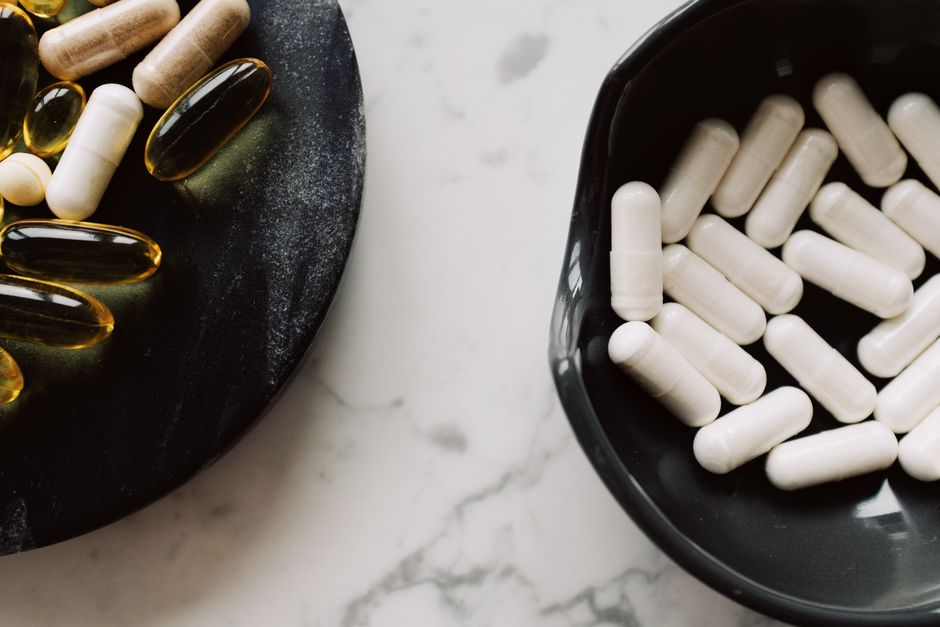
Vitamin C capsules are a popular and affordable way to add this antioxidant to your skincare routine. While they are not a magic eraser, the science behind vitamin C for skin is solid. Topical vitamin C can help brighten a dull complexion and fade dark spots when used correctly. The key is knowing how to prepare and apply the powder safely to get results without irritating your skin.
Does Vitamin C Actually Lighten Skin?
Yes, but “whitening” is not the right word. Vitamin C does not bleach skin or change your natural skin tone. It works by slowing down how much melanin your skin produces in the first place.
Melanin is the pigment that gives skin its color. When you get sun exposure or have acne, your skin makes extra melanin in those spots. This is what causes dark spots, sun spots, and post-acne marks. Vitamin C blocks an enzyme called tyrosinase that helps make melanin. Less tyrosinase activity means less pigment production over time.
The result is a more even tone and a brighter look. Your overall skin color will not change dramatically. It is a gradual brightening effect that takes weeks of consistent use to notice. Research consistently supports this mechanism, but it is important to set realistic expectations about what vitamin C can and cannot do.
How To Use Vitamin C Capsules For Skin Whitening
If you have capsules of pure vitamin C powder, you can mix them into your skincare routine at home. This is a common and cost-effective approach, but it requires care.
Start by emptying one capsule of L-ascorbic acid powder into the palm of your hand. Add a few drops of a gentle moisturizer or a serum that you already know does not break you out. Mix them together until the powder is fully dissolved. Then apply the mixture to clean, dry skin.
Use this mixture in the morning before your sunscreen. Vitamin C works best as a daily antioxidant when you pair it with SPF 30 or higher. It does not replace sunscreen. It works alongside it to protect your skin from environmental damage that causes dark spots.
Do not mix the powder with water. Water makes L-ascorbic acid unstable. It oxidizes quickly and becomes useless. A moisturizer or a dedicated vitamin C serum base is a better carrier. Some people prefer to mix it with a few drops of ferulic acid serum or vitamin E oil, which can help stabilize the vitamin C.
Start with a low concentration. A single 500 mg capsule mixed into a full palm of moisturizer is safe for most people. If you have sensitive skin, use half a capsule for the first week to see how your skin reacts.
What Concentration Of Vitamin C Is Effective?
Concentration matters more than most people think. Studies have found that a concentration between 10% and 20% is the sweet spot for skin benefits. Lower than 10% may still offer some antioxidant protection, but the pigment-fading effect is less noticeable.
Here is the problem with DIY capsules: you do not know the exact percentage you are applying. A 500 mg capsule has a specific amount of powder, but the amount of moisturizer you mix it with changes the final concentration. If you use a very small amount of moisturizer, you could easily create a 20% or higher solution that stings your skin.
Too high a concentration does not mean better results. It means a higher risk of irritation, redness, and stinging. The skin can only absorb so much vitamin C at once. Anything above 20% is more likely to cause problems than to help.
If you want precision, a formulated serum with a labeled concentration is a better choice. If you want to use your capsules, err on the side of more moisturizer rather than less.





How To Apply Vitamin C To Your Skin
The application method is just as important as the product itself. Here is a simple step-by-step routine that works for most people.
Wash your face with a gentle cleanser and pat your skin dry. Do not apply vitamin C to wet skin because it can increase the chance of stinging. Wait a few minutes after cleansing to make sure your skin is completely dry.
Mix your capsule powder with your moisturizer or serum and apply it evenly across your face. Avoid the eye area. The skin around your eyes is thinner and more sensitive to irritation.
Wait 10 to 15 minutes for the vitamin C to absorb. Then apply a moisturizer to lock in hydration. Finish with a broad-spectrum sunscreen of SPF 30 or higher if it is morning.
If you use other active ingredients like retinol or exfoliating acids, do not layer them with vitamin C at the same time. Use vitamin C in the morning and retinol or acids at night. This reduces the risk of irritation and lets each ingredient work properly.
How Long Until You See Results?
Vitamin C is not a quick fix. It takes time for the skin to turn over and for new, more even-toned cells to reach the surface. Most people need at least 8 to 12 weeks of daily use to see a noticeable difference in dark spots.
You may notice a general brightness in your skin sooner, sometimes within a few weeks. This is because vitamin C also acts as an antioxidant that helps reduce redness and gives skin a healthier look. But fading an existing dark spot takes longer.
Consistency matters more than anything. Skipping days or using the capsules sporadically will delay results. If you have not seen any change after 12 weeks of daily use, the product may be too weak or your dark spots may require a different treatment.
Some types of hyperpigmentation respond better to other treatments. Melasma, for example, often requires a combination of treatments including prescription creams. Vitamin C can help, but it may not be enough on its own.
Risks And Side Effects To Know
Vitamin C is generally well tolerated, but it is not risk-free. The most common side effects are stinging, redness, and dryness. These are more likely if you use a high concentration or if you have sensitive skin.
L-ascorbic acid is the most potent form of vitamin C, but it is also the most irritating. It has a low pH, which is what makes it effective but also what causes the tingle. If your skin reacts badly, you can try a gentler form like magnesium ascorbyl phosphate or sodium ascorbyl phosphate. These are less irritating but also less studied for pigment fading.
Do not use vitamin C capsules if you have broken or irritated skin. The powder can sting intensely on open wounds or active acne. Wait until your skin barrier is intact before using it.
Vitamin C can stain clothing and pillowcases. The oxidized form of vitamin C has a yellow-orange tint. Apply it carefully and let it dry fully before getting dressed or going to bed.
If you are pregnant or breastfeeding, topical vitamin C is generally considered safe. It is not absorbed into the bloodstream in significant amounts. But always check with your doctor before starting any new skincare product during pregnancy.
Is It Better To Use A Serum Or The Capsules?
Formulated serums have clear advantages over DIY capsules. They contain stabilizers that keep vitamin C from degrading, and they have a known concentration that is proven to work. They also include ingredients like vitamin E and ferulic acid that make the vitamin C more effective and stable.
Capsules are cheaper and can be effective, but they come with challenges. The powder oxidizes quickly once exposed to air. An opened capsule that you do not use immediately may lose potency within days. You also have no control over particle size, which affects how well the vitamin C absorbs into your skin.
If you already have the capsules and want to use them up, that is fine. Just be aware that you are working with a less stable product. Make small batches fresh each time and do not store mixed product for later use.
If you are buying new, a quality serum from a reputable brand is the better investment. Look for one that lists L-ascorbic acid as the active ingredient and comes in an opaque, air-tight container. Vitamin C degrades when exposed to light and air, so packaging matters.
Other Ways To Get Vitamin C Benefits
Your diet also plays a role in skin health. Eating foods rich in vitamin C supports collagen production, which keeps skin firm and plump. Citrus fruits, strawberries, bell peppers, and broccoli are all excellent sources.
However, eating vitamin C does not directly whiten or brighten your skin the way topical application does. The vitamin C you eat is distributed throughout your body to support overall health. Only a small fraction reaches your skin’s surface layers. Both approaches are valuable, but they do different jobs.
Topical vitamin C is absorbed into the outer layers of skin where it can directly affect pigment-producing cells. Oral vitamin C supports the deeper layers where collagen is made. For the best skin health, include both in your routine.
Frequently Asked Questions
Can I mix vitamin C capsules with water?
No, water makes vitamin C unstable and it breaks down quickly. Mix the powder with a moisturizer or serum instead.
How often should I use vitamin C capsules on my face?
Once daily in the morning is the standard recommendation. Consistent daily use for at least 8 to 12 weeks is needed to see dark spot fading.
Can vitamin C capsules irritate sensitive skin?
Yes, especially if you use too high a concentration. Start with half a capsule mixed into a generous amount of moisturizer and stop if you experience redness or stinging.
Is vitamin C from capsules as good as a store-bought serum?
Not quite, because capsules lack stabilizers and have an unknown final concentration. They can work, but a formulated serum is more reliable and easier on your skin.
