
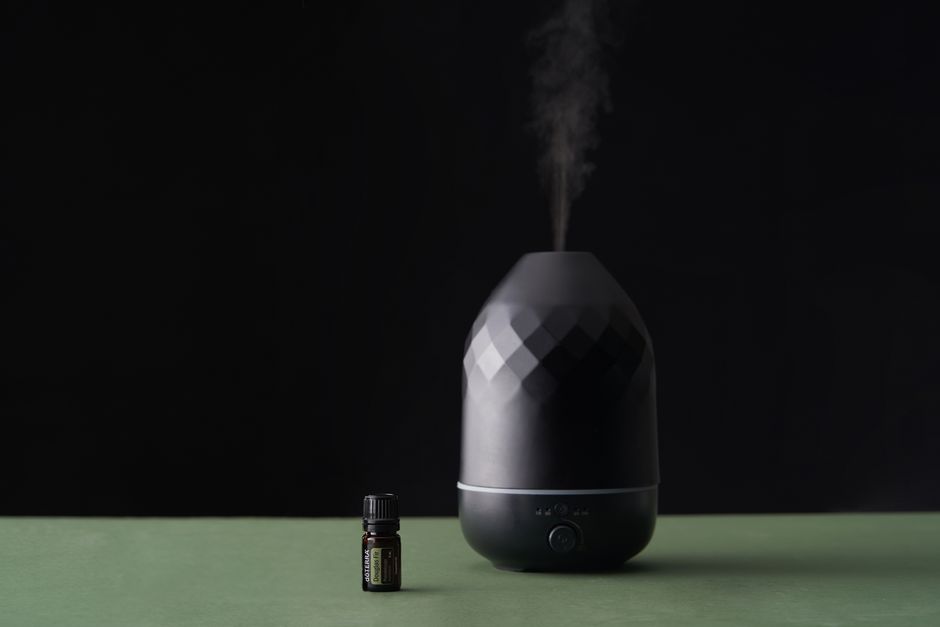
Thieves oil is a commercial blend of five essential oils — clove, lemon, cinnamon bark, eucalyptus, and rosemary. It is most often used in three ways: in a diffuser to scent a room, diluted in a carrier oil for the skin, or as an ingredient in homemade cleaning sprays. Each use carries different risks, and the evidence behind the blend’s health claims is far thinner than the marketing suggests.
What Is Thieves Oil and Where Did It Come From?
Thieves oil is a branded essential oil blend, not a single oil and not a medicine. The name comes from a legend about fourteenth-century spice traders who were said to have robbed plague victims and avoided illness by wearing a blend of cloves, cinnamon, and other spices. No historical record confirms the story, and no modern study has tested the legend’s premise.
The blend is sold under several brand names, and the exact proportions vary by manufacturer. A typical version contains clove, lemon, cinnamon bark, eucalyptus, and rosemary oils. Because formulas differ, two bottles labeled “Thieves” may not contain the same ratios. That matters when you read safety guidance, since the risk profile depends on which oils are present and in what amount.
It is also worth separating the legend from the product. The story is marketing heritage. The oils themselves are real plant extracts with real chemical properties — some helpful for cleaning, some irritating to skin and airways. Treating the blend as one thing with one set of effects is where most confusion starts.
How Do You Use Thieves Oil in a Diffuser?
Diffusing is the most common way people use the blend, and it is also the use with the least evidence for health benefit. A diffuser releases essential oil molecules into the air, where they can be smelled and inhaled. That creates an aroma. Whether it does anything more is where claims outrun data.
Follow the diffuser manufacturer’s instructions for how much oil to add. There is no established clinical guideline for a “safe” or “effective” amount of Thieves oil to diffuse, so no dose can be recommended here. Many diffusers suggest a few drops per session; use the lowest amount that gives the scent you want.
Practical points that rest on well-established respiratory physiology:
- Run diffusers in ventilated rooms, not sealed ones. Concentrated airborne oils can irritate eyes, nose, and throat.
- Keep sessions short and take breaks. Continuous diffusion raises indoor concentrations.
- Keep diffusers out of reach of children and pets, and never leave one running unattended.
People with asthma or other reactive airway conditions should be cautious. Volatile oils can trigger coughing, wheezing, or irritation in sensitive people. If diffusing causes any breathing discomfort, stop and air out the room.
One point that gets lost: diffusing does not disinfect the air in any meaningful, proven way. Some laboratory studies show certain essential oil components can kill microbes on surfaces or in controlled settings. That is not the same as cleaning the air in your home. No clinical evidence confirms that diffusing Thieves oil reduces illness or stops germs from spreading between people.
Can You Apply Thieves Oil to Your Skin?
Thieves oil should never go on skin undiluted. The blend contains cinnamon and clove oils, both of which are well documented skin irritants when concentrated. Clove oil in particular contains eugenol, a compound that can cause burning, redness, and sensitization — meaning a reaction that gets worse with repeated exposure.
If you choose to use it on skin, it must be diluted in a carrier oil such as fractionated coconut oil, jojoba, or olive oil. Essential oils do not dissolve in water, so adding drops to water does not dilute them safely. There is no official guideline specifying a dilution percentage for this specific blend, so no exact ratio is given here. A general principle taught in aromatherapy is that less is safer, and patch testing on a small area first is prudent.
Do a patch test on your inner forearm and wait a full 24 hours before using it more widely. Stop at the first sign of redness, itching, or burning. Wash the area with soap and water if irritation appears.
Do not apply Thieves oil to broken skin, near the eyes, inside the nose or ears, or to the face of a young child. Do not use it on infants or toddlers. Essential oils are not recommended for babies, and the concentrated compounds in this blend carry real risk for small bodies.
Pregnant and breastfeeding women should check with a clinician before using any essential oil blend on skin. Guidance on essential oil use in pregnancy varies, and no clinical guidelines specifically address Thieves oil in this population.
As for claims that topical Thieves oil supports immunity or fights infection — no human trials confirm this. The evidence is absent, not merely weak.
How Is Thieves Oil Used for Cleaning?
Cleaning is where Thieves oil has the most plausible use, and also where claims need the most care. Some components of the blend — particularly clove and cinnamon oils — have shown antimicrobial activity in laboratory studies. That means they can kill certain microbes in a petri dish or controlled test. It does not mean a homemade spray disinfects your kitchen counter the way a registered disinfectant does.
Household cleaners that make disinfectant claims in the US are regulated, and a DIY oil-and-water spray is not. No study has shown that a homemade Thieves oil spray meets the same standards as an EPA-registered disinfectant. If you need to kill germs on a surface — after handling raw meat, for instance — use a product labeled as a disinfectant and follow its instructions.
Where a Thieves oil spray can reasonably fit is as a scented all-purpose cleaner for light cleaning. A common approach is a few drops of oil in water with a splash of vinegar in a spray bottle, shaken before use. Shake it because oil and water separate. Vinegar itself has some cleaning properties, though its disinfecting power is limited compared with registered products.
Keep these points in mind:
- Never mix essential oils with bleach or other strong chemicals. The combination can produce irritating or dangerous fumes.
- Test on a hidden spot first. Citrus and cinnamon oils can damage some finishes, plastics, and fabrics.
- Label the bottle and keep it away from children and pets.
- Do not use it as a substitute for proper food-safety cleaning.
What Are the Real Risks and Safety Limits?
The main risks of Thieves oil are skin irritation, allergic reaction, and airway irritation. These are well documented for the individual oils in the blend. Skin sensitization is the most common concern with repeated topical use, especially with clove and cinnamon oils present.
Accidental ingestion is a serious risk. Essential oils are highly concentrated, and swallowing them — even small amounts — can cause burning in the mouth and throat, nausea, and in some cases more serious harm. Keep bottles locked away from children. If someone swallows essential oil, contact poison control right away rather than waiting for symptoms.
Pets are also at risk. Cats in particular have limited ability to process many essential oil compounds, and diffused or spilled oils can harm them. Keep diffusers and bottles where pets cannot reach them, and ventilate rooms where you diffuse.
Some people assume “natural” means “safe at any amount.” That is not how essential oils work. They are concentrated plant chemicals, and dose and dilution determine safety. The same compounds that give the blend its strong scent are the ones most likely to irritate.
Does the Evidence Support the Health Claims?
No large human trials confirm that Thieves oil boosts immunity, prevents illness, or treats infection. The claims you see most often — immune support, germ defense, respiratory benefit — rest on laboratory findings about individual oil components, not on studies of the blend in people. That gap matters.
Biological plausibility is not the same as demonstrated benefit. A compound killing bacteria in a dish does not mean diffusing it in a living room protects anyone from getting sick. The steps that do reduce illness spread are well established: handwashing, covering coughs, cleaning high-touch surfaces with appropriate products, and staying current on recommended vaccines.
This does not mean the blend is useless. As a fragrance, a light cleaning aid, or a diluted topical scent, it has a place for people who enjoy it and tolerate it. What it does not have is proof of the health outcomes most often advertised. If a product’s marketing leans on a medieval story rather than human studies, that is a signal to keep expectations modest.
Frequently Asked Questions
Can you put Thieves oil directly on your skin?
No, it should always be diluted in a carrier oil first because the cinnamon and clove oils can irritate skin. Do a patch test and stop if redness or burning appears.
Is diffusing Thieves oil safe around pets?
It carries risk, especially for cats, which have limited ability to process many essential oil compounds. Keep diffusers ventilated and out of pets’ reach, and stop if an animal shows signs of irritation.
Does Thieves oil kill germs in the air?
No clinical evidence confirms that diffusing it disinfects the air or reduces illness spread. Lab studies on individual oil components do not translate to proven protection in a home.
Can you use Thieves oil while pregnant?
Check with a clinician before using any essential oil blend during pregnancy or breastfeeding. No clinical guidelines specifically address Thieves oil in these groups.
