
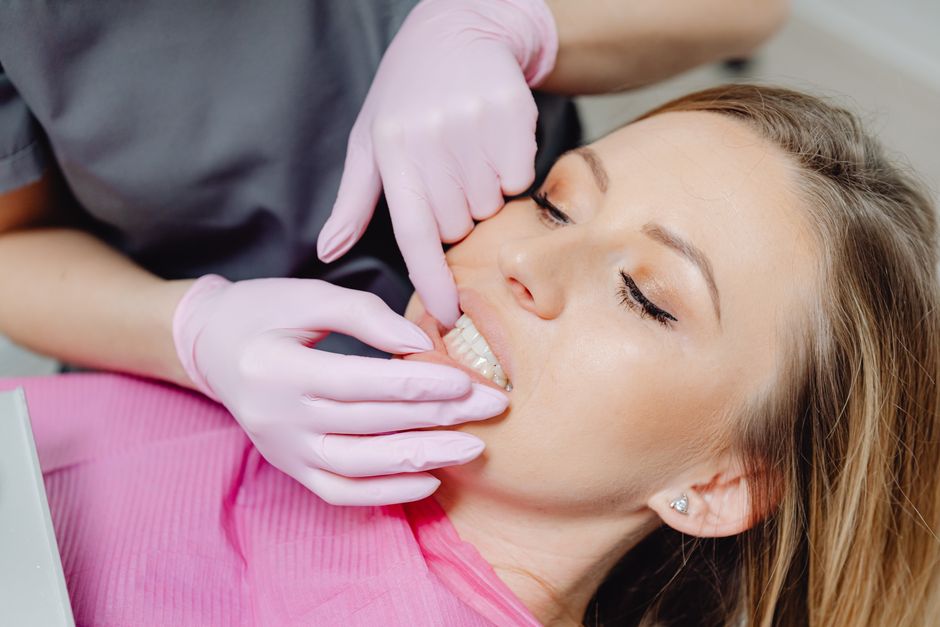
Teeth whitening strips are thin, flexible plastic strips coated with a peroxide-based gel that bleaches tooth enamel. To use them correctly, you apply the strips directly to your teeth, press them gently to ensure contact, leave them on for the specified time (usually 10 to 30 minutes), then remove and rinse. The key is following the product instructions exactly — leaving them on too long can damage your gums, and using them too often can weaken your enamel.
How Do Teeth Whitening Strips Actually Work?
The active ingredient in most whitening strips is hydrogen peroxide or carbamide peroxide. When the gel contacts your teeth, it breaks down into oxygen molecules that penetrate the porous enamel. These molecules react with stained molecules inside the enamel, breaking them apart into smaller, less visible pieces.
Studies have found that this chemical reaction can lighten tooth shade by several shades over a two-week period. The American Dental Association notes that strips with 6% to 10% hydrogen peroxide are effective for most people. Higher concentrations can work faster but also increase the risk of side effects.
Whitening strips cannot change the color of dental work like crowns, veneers, or fillings. They only work on natural tooth enamel. If you have visible restorations in your front teeth, whitening strips may create uneven color that looks worse than before.
How To Use Teeth Whitening Strips Correctly
Start with clean, dry teeth. Brush and floss normally, then wait at least 30 minutes before applying the strips. This gap allows your enamel to rehydrate after brushing, which reduces sensitivity during the whitening process.
Remove the strips from their backing and align them with your gum line. The gel side faces your teeth. Press the strip firmly against your teeth, folding the excess over the back of your teeth to hold it in place. Most strips are designed to cover the six to eight front teeth only.
Set a timer and do not exceed the recommended time. Many people assume longer equals whiter, but this is false. Extended exposure can cause chemical burns on your gums and permanent enamel damage. When the timer goes off, peel the strips off slowly and rinse your mouth with water. Do not brush your teeth immediately after — your enamel is temporarily softened.
What Research on How To Use Teeth Whitening Strips Shows
A 2019 study in the Journal of the American Dental Association compared over-the-counter whitening strips to professional in-office treatments. The researchers found that strips with 10% hydrogen peroxide produced results comparable to professional treatments after 14 days of daily use. The difference was that professional treatments worked faster, not better.
Research published in Operative Dentistry examined long-term effects of strip use. After three years, participants who used strips twice per year showed no significant increase in enamel damage compared to non-users. This suggests that occasional use is safe for most people, though the study noted that participants with pre-existing enamel issues were excluded.
The evidence is clear that strip effectiveness depends heavily on user compliance. People who skip days or remove strips early get noticeably worse results. Consistency matters more than concentration for most users.





What Are the Side Effects of Teeth Whitening Strips?
Tooth sensitivity is the most common side effect. Studies estimate that 15% to 40% of users experience temporary sensitivity during treatment. This happens because peroxide molecules penetrate the enamel and reach the dentin layer beneath, where nerve endings are located. The sensation typically resolves within a few days after stopping use.
Gum irritation is the second most common issue. When the peroxide gel contacts gum tissue, it can cause white patches, redness, or soreness. This usually occurs when strips are poorly aligned or when users leave them on too long. Proper placement and timing prevent most gum irritation.
Less common side effects include uneven whitening, especially in people with existing dental work, and temporary changes in taste. Some users report a metallic taste during treatment, which fades after removal. There is no evidence that properly used whitening strips cause permanent damage to teeth or gums.
Comparison: Whitening Strips vs Other At-Home Options
| Method | Active Ingredient | Time to Results | Sensitivity Risk | Cost per Treatment |
|---|---|---|---|---|
| Whitening strips | Hydrogen peroxide 6-10% | 7-14 days | Moderate | $1-3 per strip |
| Whitening trays | Carbamide peroxide 10-22% | 7-14 days | Moderate to high | $20-50 per kit |
| Whitening pens | Hydrogen peroxide 6-10% | 14-21 days | Low | $2-5 per pen |
| Whitening toothpaste | Abrasives, low peroxide | 4-8 weeks | Very low | $5-10 per tube |
Strips offer a middle ground between cost and effectiveness. They deliver consistent peroxide contact because the strip holds the gel against your teeth for the full treatment time. Pens and toothpaste tend to be less effective because the active ingredient is diluted by saliva or washed away quickly.
Common Misconceptions About Whitening Strips
One widespread myth is that whitening strips can damage enamel permanently. Research does not support this. A study in the Journal of Dentistry examined enamel surfaces after 28 consecutive days of strip use and found no structural changes. The concern likely comes from people who misuse strips by leaving them on for hours or using them daily for months.
Another misconception is that natural remedies like charcoal or baking soda are safer alternatives. Charcoal is abrasive and can wear down enamel over time. Baking soda is less effective at whitening than peroxide and still abrasive. Neither has the clinical evidence that peroxide-based strips have.
Some people believe that whitening strips work on all stains. They do not. Brown or gray discoloration from tetracycline antibiotics or fluorosis typically does not respond to peroxide whitening. These stains are deeper in the tooth structure and require professional treatment.
What to Avoid When Using Whitening Strips
Do not use whitening strips if you have untreated cavities, gum disease, or cracked teeth. Peroxide can penetrate these areas and cause severe pain or infection. See a dentist first to rule out these issues.
Avoid eating or drinking anything acidic for 30 minutes before and after use. Acid softens enamel, making it more vulnerable to peroxide damage. Coffee, citrus, soda, and wine are the main culprits. Stick to water during your whitening window.
Do not smoke or use tobacco products during a whitening course. Tobacco stains form quickly on freshly whitened enamel, often reversing results within days. If you cannot pause tobacco use, whitening strips will likely disappoint you.
Avoid combining multiple whitening products at once. Using strips, toothpaste, and a whitening mouthwash simultaneously does not speed results. It increases sensitivity and gum irritation without improving whitening.
Frequently Asked Questions
How long does it take for whitening strips to work?
Most people see visible results after three to five daily uses. Full results typically appear after 10 to 14 days of consistent use.
Can I use whitening strips if I have sensitive teeth?
Yes, but choose strips with lower peroxide concentration and use them every other day. Stop immediately if pain persists beyond the treatment period.
Do whitening strips work on yellow teeth?
Yes, yellow stains from aging, coffee, tea, and tobacco respond well to peroxide whitening strips. Gray or brown stains may not lighten significantly.
How often can I use whitening strips safely?
Most brands recommend one 14-day treatment course every six months. More frequent use increases sensitivity risk without additional whitening benefit.
