
Tapioca is one of the most reliable thickeners you can use in the kitchen, especially for fruit pies and clear sauces. Unlike flour, it is flavorless and turns completely translucent when cooked. To use it effectively, you need to know which form to buy, how much to use, and how to activate it. The most common mistake is using instant tapioca when the recipe calls for pearl tapioca, or vice versa. Getting this right means the difference between a perfectly set pie and a runny mess.
What Is Tapioca And Why Does It Work As A Thickener?
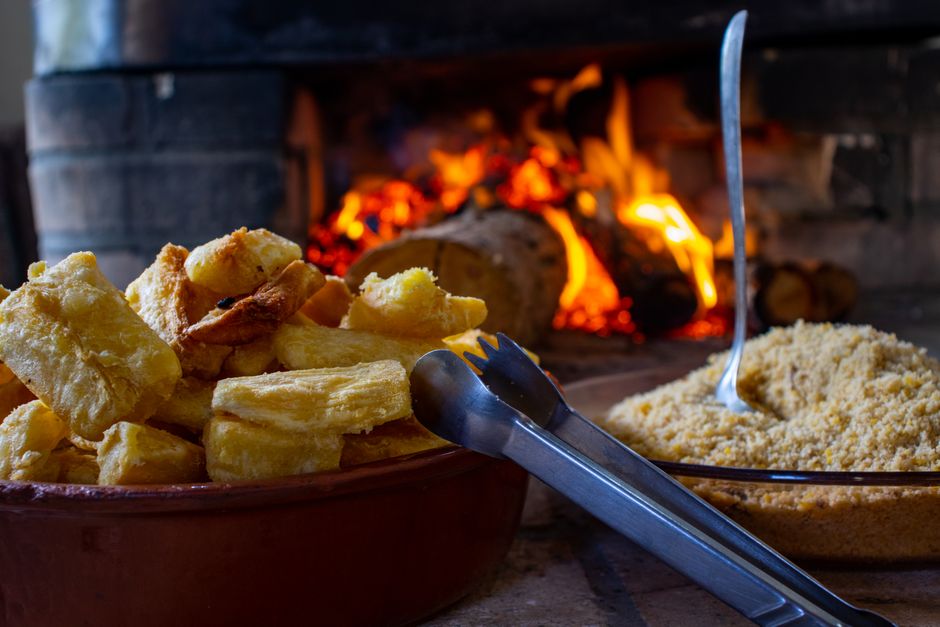
Tapioca comes from the cassava root, a starchy tuber grown in tropical regions. The starch is extracted, washed, and processed into several forms. The thickening power comes from the starch granules, which absorb liquid and swell when heated. This swelling creates a gel that traps water and gives pies and sauces their body.
Tapioca is naturally gluten-free. That makes it a useful option for people who cannot use wheat flour as a thickener. It also has a neutral taste, so it will not change the flavor of your dish. Flour can leave a raw, pasty taste if not cooked long enough. Tapioca does not have this problem.
One key difference matters here. Tapioca gels at a lower temperature than cornstarch, and it freezes better. If you are making a pie to freeze and bake later, tapioca is often the better choice. Cornstarch can break down and turn watery after freezing and thawing. Tapioca holds its structure much better.
What Are The Different Forms Of Tapioca?
There are three main forms of tapioca sold for home cooking. Each one behaves differently, and they are not interchangeable.
Instant tapioca is finely ground and partially cooked. It dissolves quickly in cold liquid. This is the form most often used in fruit pies. You mix it into the fruit filling before baking. It is also sold as “minute tapioca” in some stores.
Pearl tapioca is the large, round form used in puddings and bubble tea. It requires soaking and long cooking. Pearl tapioca is not suitable for pie fillings because it takes too long to soften and does not distribute evenly through a fruit mixture.
Tapioca flour is also called tapioca starch. This is a fine powder used in gluten-free baking. It works well as a sauce thickener, similar to cornstarch. You mix it with cold water to make a slurry, then stir it into hot liquid.
For pies, instant tapioca is the standard choice. For sauces, tapioca flour is the practical option. Pearl tapioca is for desserts where the texture of the pearls themselves is the point.
How To Use Tapioca As A Thickener For Pies?
For a fruit pie, the method is straightforward. Measure the instant tapioca and mix it directly into the fruit filling before adding the top crust. The tapioca needs the heat of the oven to swell and thicken the juices released by the fruit.
A general rule for fruit pies is about 1 to 2 tablespoons of instant tapioca per pie. Use the lower amount for fruits that release little juice, like apples. Use the higher amount for very juicy fruits like berries, peaches, or rhubarb. These numbers are not exact because fruit moisture varies. Start with 1 tablespoon for a standard 9-inch pie and adjust based on experience.
Let the filling sit for 15 to 20 minutes before baking. This gives the tapioca time to absorb some liquid and begin softening. Do not skip this step. It helps prevent lumps and ensures even thickening.
One important detail: the pie must come to a full boil during baking. Tapioca only thickens when it reaches boiling temperature. If your oven runs cool or the pie is pulled out early, the filling will remain thin. A properly baked pie should show bubbling juices through the vents or lattice crust before you remove it from the oven.
After baking, let the pie cool completely before slicing. A hot pie filling is always runny. Tapioca continues to set as it cools. Cutting into a hot pie will ruin the texture and make a mess. Plan for at least 3 to 4 hours of cooling time.





How To Use Tapioca As A Thickener For Sauces?
Tapioca flour is the best form for sauces. It creates a smooth, glossy texture without cloudiness. This makes it ideal for clear fruit sauces, like a berry coulis or a sweet-and-sour glaze.
To use tapioca flour as a thickener, make a slurry first. Mix 1 tablespoon of tapioca flour with 2 tablespoons of cold water or juice. Stir until smooth. There should be no dry lumps. Then whisk the slurry into your hot sauce and bring it to a simmer.
The sauce must reach a boil for the tapioca to activate. Once it boils, it will thicken quickly, usually within a minute. Remove it from heat once it reaches the consistency you want. Tapioca thickens a bit more as it cools, so stop slightly before your target thickness.
A general starting point is 1 tablespoon of tapioca flour per 1 cup of liquid. This produces a medium-thin sauce. For a thicker gravy or glaze, use 1.5 to 2 tablespoons per cup. These amounts work for most sauces, but acidic ingredients can reduce thickening power. If your sauce has a lot of vinegar or citrus juice, you may need a little more tapioca.
Do not add tapioca flour directly to hot liquid without making a slurry first. It will clump instantly and form lumps that are difficult to dissolve. The cold-liquid step is essential.
What Is The Difference Between Tapioca Flour And Cornstarch?
Both tapioca flour and cornstarch are fine white powders used to thicken sauces. They behave similarly but have a few important differences.
Tapioca flour creates a glossy, almost shiny finish. Cornstarch also gives gloss, but tapioca is slightly more transparent. For fruit-based sauces where you want the natural color to show, tapioca is often preferred.
Tapioca thickens at a lower temperature than cornstarch. This matters for delicate sauces that should not boil vigorously. Tapioca also withstands freezing better. Sauces thickened with cornstarch can separate and turn watery after being frozen and thawed.
Cornstarch is usually cheaper and easier to find in any grocery store. It also has a slightly higher thickening power by weight. If a recipe calls for 1 tablespoon of cornstarch, you can use about 1.5 tablespoons of tapioca flour to achieve the same thickness.
One caution with tapioca: it can become stringy or stretchy if overcooked or if too much is used. This is a known issue with sauces that simmer for a long time. Add tapioca near the end of cooking and remove the sauce from heat once thickened.
Common Mistakes And How To Avoid Them
The most common failure with tapioca is using the wrong form. Instant tapioca and tapioca flour are not the same product. Using instant tapioca in a sauce will leave small chewy beads. Using tapioca flour in a pie filling can create a cloudy, gluey texture.
Another frequent mistake is not letting the pie cool before serving. Tapioca needs time to set. Even a perfectly measured pie will look runny if sliced while warm. Patience is not optional here.
Underbaking is also a problem. The filling must reach a boil inside the pie. If the crust browns too quickly, cover the edges with foil and continue baking until the filling bubbles. This usually takes at least 10 minutes of visible bubbling.
Finally, do not add extra tapioca to fix a runny pie after it has baked. Once the pie is made, you cannot fix it. The only remedy is to serve it warm in a bowl. For next time, increase the tapioca slightly or reduce the amount of juicy fruit in the filling.
Frequently Asked Questions
Can I substitute tapioca flour for cornstarch in any recipe?
Yes, in most recipes you can swap them, but use about 1.5 tablespoons of tapioca flour for every 1 tablespoon of cornstarch. Tapioca also freezes better, so it is the safer choice for make-ahead dishes.
How much instant tapioca do I use for a fruit pie?
Use 1 to 2 tablespoons of instant tapioca for a standard 9-inch fruit pie. Use the smaller amount for low-moisture fruits like apples and the larger amount for juicy fruits like berries or peaches.
Why is my tapioca-thickened sauce stringy?
Stringiness happens when tapioca is overcooked or when too much is used. Add the tapioca near the end of cooking and remove the sauce from heat as soon as it thickens.
Does tapioca need to boil to thicken?
Yes, tapioca must reach boiling temperature to activate its thickening power. A sauce or pie filling that never boils will stay thin no matter how much tapioca you add.
