
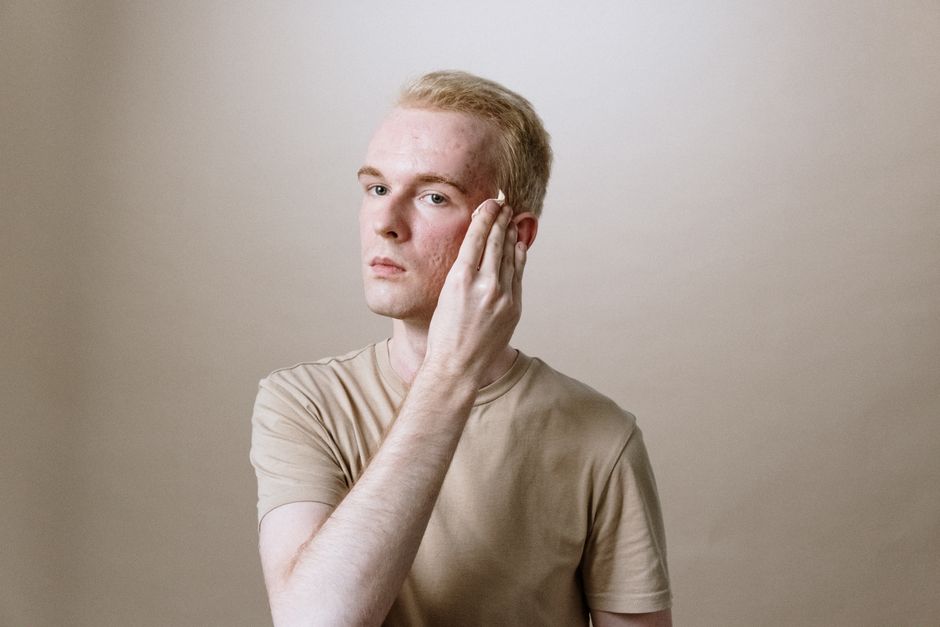
Sulfur has been used on acne for more than a century, and it still holds a modest, legitimate place in acne care today. The right way to use it is as a targeted treatment on mild inflammatory acne, applied in a thin layer to affected areas, usually at a low concentration (often 3% to 10% in over-the-counter products) and often in combination with other ingredients like sodium sulfacetamide or resorcinol. It is not a first-line treatment for moderate to severe acne, and it will not clear deep cysts or prevent scarring on its own. Used within those limits, sulfur can reduce surface oil and help calm mild breakouts.
What does sulfur actually do to acne?
Sulfur is one of the oldest topical acne ingredients still in use. It appears in skin care products mainly as a keratolytic and antimicrobial agent. Keratolytic means it helps loosen and shed dead skin cells that can clog pores.
It also has a mild antibacterial effect on Cutibacterium acnes (formerly Propionibacterium acnes), the bacterium involved in inflammatory acne. And it can help absorb excess surface oil, which is why sulfur products often feel drying.
That combination — mild exfoliation, mild antibacterial action, and oil absorption — is why sulfur helps some people with mild inflammatory acne. It is not a strong acne drug. Its effect is real but modest, and it works best as part of a broader routine rather than as a standalone fix.
Who is sulfur actually for?
Sulfur fits best for people with mild inflammatory acne — the kind with small red bumps and occasional pimples rather than deep nodules or widespread cysts. It can also suit people who want to avoid stronger prescription options, or who have not tolerated other topical treatments.
It is not the right choice for moderate to severe acne, which usually needs prescription treatment such as topical retinoids, benzoyl peroxide combinations, or oral medications under a doctor’s care. Sulfur alone will not control that level of acne, and relying on it can delay effective treatment.
People with very dry or sensitive skin should approach sulfur cautiously. It is more drying than many other acne ingredients, and the drying effect can irritate skin that is already compromised.
How To Use Sulfur For Acne The Right Way
Use sulfur as a thin, targeted layer on affected areas — not a thick mask over the whole face — and start slowly to see how your skin responds. The goal is consistent, gentle use, not aggressive application.
Practical steps that reflect how these products are generally used:
- Wash your face with a gentle cleanser and pat dry before applying.
- Apply a thin layer of the sulfur product only to areas with breakouts, not the entire face unless a product directs otherwise.
- Follow the product label for how long to leave it on. Some are leave-on treatments; others are short-contact washes or masks that get rinsed off.
- Start with once daily or every other day, then adjust based on how your skin tolerates it.
- Moisturize afterward, because sulfur is drying.
- Use sunscreen during the day. Sulfur itself does not increase sun sensitivity the way some acne drugs do, but treated skin can be more easily irritated by sun.
Do not layer sulfur with other strong drying or exfoliating products at the same time — such as high-strength acids or retinoids — unless a clinician has advised it. Combining several harsh actives is a common way people irritate their skin and make acne look worse.
What about sodium sulfacetamide and sulfur combinations?
One of the more established uses of sulfur is in prescription products that combine sulfur with sodium sulfacetamide. These are used for acne and also for a skin condition called rosacea. The combination is thought to provide both the keratolytic and antibacterial effects of sulfur alongside the antibacterial action of sulfacetamide.
These combination products are prescription-only in the United States, so they require a clinician’s involvement. Over-the-counter sulfur products are different — they typically pair sulfur with ingredients like resorcinol or use it alone, and the evidence for those combinations is thinner than for the prescription sulfacetamide-sulfur products.
If you are considering a sulfur product, it helps to know which category it falls into, because prescription and over-the-counter products are not equivalent in strength or supporting evidence.
What side effects and risks should you know about?
Sulfur is generally well tolerated, but it is drying and can irritate skin, especially at higher concentrations or with frequent use. Common effects include dryness, mild stinging, redness, and peeling.
Some people develop contact dermatitis — an allergic skin reaction — to sulfur or to other ingredients in the product. Signs include worsening redness, itching, or a rash that appears after use. If that happens, stop using it.
Sulfur products can also stain or have an unpleasant odor, which is a practical drawback many people notice. And because sulfur is drying, overuse can damage the skin barrier, which may paradoxically make skin look worse.
Anyone who is pregnant, breastfeeding, or treating a child’s acne should check with a clinician before starting, since product-specific safety information varies and is best confirmed for the exact product in question.
How does sulfur compare with other acne treatments?
Sulfur is not a first-line treatment in most modern acne guidelines. Benzoyl peroxide and topical retinoids have stronger evidence for treating acne and are more commonly recommended as first steps. Sulfur tends to be used as an alternative or add-on, particularly for people who cannot tolerate those options.
The comparison is not that sulfur does nothing — it has a long history of use and some evidence of benefit for mild acne. The honest position is that its evidence base is smaller and its effect generally more modest than the mainstay treatments. It is a reasonable option in the right context, not a replacement for proven first-line care.
What else matters for acne to actually improve?
Sulfur works best as one part of a consistent routine. Acne is driven by several factors at once — excess oil, clogged pores, the C. acnes bacterium, and inflammation — and no single ingredient addresses all of them fully.
Gentle cleansing, not over-washing, matters. So does moisturizing, even for oily skin, because a damaged barrier can worsen irritation. Avoiding picking at spots reduces the risk of scarring and infection. And for acne that is persistent, painful, or leaving marks, seeing a clinician is the step that most reliably changes the outcome.
One clarification worth making: acne is not caused by poor hygiene or by eating a specific food in most cases. Those ideas are common but not well supported. Treating acne as a medical skin condition rather than a cleanliness problem leads to better decisions.
Frequently Asked Questions
How often should you use sulfur on acne?
Most people start with once daily or every other day and adjust based on how their skin tolerates it. Follow the specific product label, since leave-on treatments and rinse-off washes are used differently.
Can sulfur clear acne on its own?
Sulfur can help mild inflammatory acne but is generally not strong enough to clear moderate to severe acne by itself. Persistent or severe acne usually needs prescription treatment.
Is sulfur safe for sensitive skin?
Sulfur is more drying than many acne ingredients and can irritate sensitive skin. Start slowly and moisturize, and stop if redness, itching, or a rash develops.
Does sulfur bleach or stain skin?
Sulfur products can stain fabric and have an odor, but they do not bleach skin. Any discoloration is usually from the product itself and washes off.
