
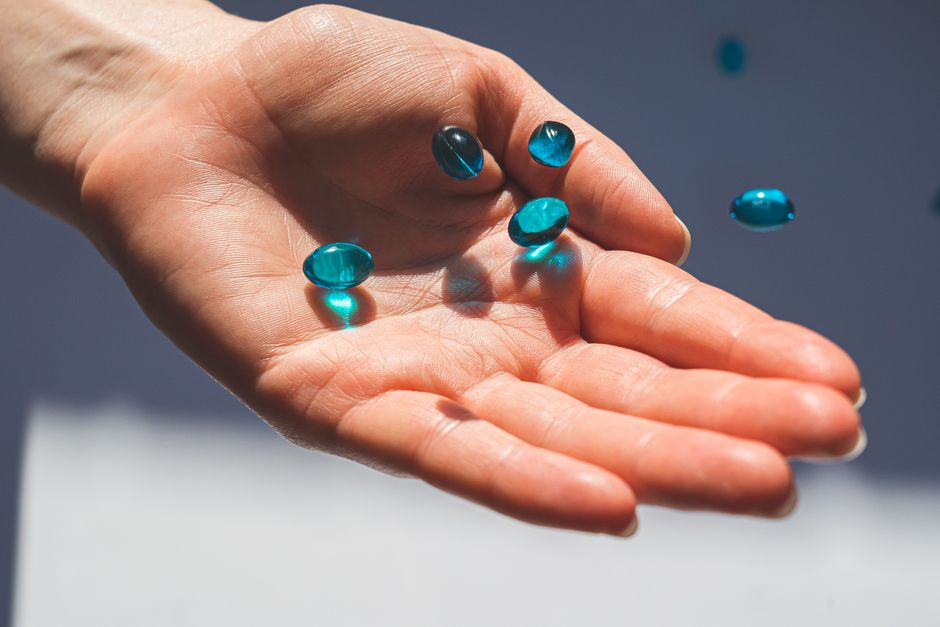
Spirulina is a type of blue-green algae sold as a dried powder, tablet, capsule, and sometimes as fresh paste. Most people use it as a supplement stirred into water, juice, or a smoothie, and the main practical challenges are the earthy, seaweed-like taste and knowing how much to take. This article explains the common dose forms, what the evidence does and does not show, and how to make the taste easier to handle.
What Is Spirulina and Why Do People Take It?
Spirulina is a cyanobacterium — a microscopic organism that grows in water and is harvested, dried, and sold as a dietary supplement. It is not a true plant, though it is often marketed like one.
It contains protein, B vitamins, iron, and a pigment called phycocyanin. That nutrient profile is real. Whether eating it produces meaningful health benefits is a separate question, and the evidence there is much weaker than the marketing suggests.
Some small studies suggest spirulina may have modest effects on cholesterol or markers of oxidative stress. Many of these trials are small, short, and vary widely in dose and product quality. No large, long-term human trials have confirmed that spirulina prevents disease or meaningfully improves health outcomes. Treat it as a supplement with some nutritional value, not a treatment.
One point people rarely hear: because spirulina is a whole dried organism, the quality and purity of what is in the bottle varies enormously between brands. That matters more than most label claims.
What Spirulina Dose Forms Are Available?
Spirulina comes in four main forms, and each has practical trade-offs for taste, convenience, and how easy it is to take consistently.
- Powder: The most versatile and usually the cheapest per gram. Strongest taste and smell. Mixes into liquids but tends to clump.
- Tablets and capsules: No taste at all, which is the main reason people choose them. You need to swallow several to reach a meaningful amount, and tablets can be large.
- Flakes: Dried pieces that can be sprinkled on food. Milder texture than powder but still has the seaweed flavor.
- Fresh or frozen paste: Less common in the US and harder to find. Perishable and requires refrigeration.
For most people, capsules or tablets solve the taste problem but cost more. Powder gives you the most flexibility if you can handle the flavor. There is no single best form — it depends on whether taste or convenience matters more to you.
How Much Spirulina Should You Take?
There is no official recommended daily intake for spirulina. It is not a nutrient with an established requirement, so no government body has set a standard dose.
Doses used in published research studies have generally ranged from about 1 gram to 8 grams per day, taken for several weeks to a few months. These are study doses, not clinical recommendations. They tell you what researchers tested, not what you should take.
Product labels typically suggest somewhere in the range of 1 to 3 grams per day, but these are manufacturer suggestions, not medical guidance. Because there is no established dose, the honest position is that the right amount is uncertain.
If you decide to try it, starting with a small amount and increasing slowly is a reasonable approach that many people use, though no trial has tested whether this reduces side effects. If you take medications or have a health condition, talk to a clinician or pharmacist before starting — spirulina can interact with some drugs, and it is high in vitamin K, which matters for people on blood thinners like warfarin.
How Do You Make Spirulina Taste Better?
The seaweed flavor comes from compounds in the algae itself, and no preparation removes it completely. You can mask it well enough that most people stop noticing.
The most effective approach is pairing spirulina with strong flavors that compete with it. Citrus, ginger, banana, peanut butter, cocoa, and berries all work because they are bold enough to cover the earthy notes. A smoothie with frozen banana and a squeeze of lemon hides spirulina better than almost anything else.
Temperature matters too. Cold liquids and cold foods mask the taste more than warm ones. Hot water tends to bring out the seaweed smell.
A few practical tips:
- Start with a small amount — a quarter teaspoon of powder — and build up as your palate adjusts.
- Whisk powder into a small amount of liquid first to make a smooth paste, then add the rest. This prevents clumps.
- Mix into strongly flavored foods like pesto, salad dressing, or a berry smoothie rather than plain water.
- Add a pinch of salt or a squeeze of citrus to cut the bitterness.
- If you use capsules, take them with a full glass of water — the taste issue disappears entirely.
Some people never get used to the flavor, and that is fine. Capsules exist for exactly that reason.
What Are the Risks and Side Effects of Spirulina?
Spirulina is generally well tolerated by healthy adults at the amounts used in studies. The most common side effects are mild: digestive upset, nausea, or headache, especially when starting.
The bigger concern is contamination. Because spirulina is grown in water, poor-quality products can contain heavy metals, harmful bacteria, or other algae that produce toxins. Buying from a reputable brand that tests for contaminants matters more than most people realize. Look for products that state they are tested for heavy metals and microbes.
People with an autoimmune condition should be cautious. Spirulina may stimulate the immune system, and in theory that could worsen autoimmune disease — this is a reasonable concern based on how it works, though large human trials have not confirmed it. Anyone with phenylketonuria (PKU) should avoid spirulina, because it contains phenylalanine.
Pregnant and breastfeeding women, and children, have no established safe dose. No clinical guidelines currently exist for these groups, so the cautious approach is to avoid it or ask a clinician first.
Does Spirulina Actually Work?
The evidence for spirulina’s health benefits is modest and mixed. It is not a proven treatment for any condition.
Some small studies suggest improvements in cholesterol levels, blood sugar, and markers of inflammation. These findings are interesting but not conclusive. The trials are often short, use different doses, and test different products, which makes it hard to draw firm conclusions.
What spirulina does provide is real nutrition — protein, iron, and B vitamins — in a concentrated form. That is a factual nutritional benefit. Claims that it boosts energy, detoxifies the body, or strengthens immunity are not backed by strong clinical evidence. No study has confirmed those effects.
If you enjoy it and tolerate it, it can be a reasonable addition to a varied diet. If you are expecting it to treat a health problem, the evidence does not support that expectation.
Frequently Asked Questions
How much spirulina should I take daily?
There is no official recommended dose because spirulina has no established daily requirement. Doses used in research have ranged from about 1 to 8 grams per day, but these are study amounts, not clinical recommendations.
Can I mix spirulina powder into water?
Yes, but plain water brings out the seaweed taste and the powder tends to clump. Whisking it into a small amount of liquid first, then adding a strongly flavored drink like juice or a smoothie, makes it far more palatable.
Do spirulina capsules taste like seaweed?
No. Capsules and tablets have no taste because the powder is sealed inside. They are the easiest option for people who cannot tolerate the flavor, though they usually cost more per gram.
Is spirulina safe for everyone?
No. People with phenylketonuria should avoid it, and those on blood thinners should check with a clinician because spirulina is high in vitamin K. Pregnant women, breastfeeding women, and children have no established safe dose.
