
Soy lecithin is a food additive that helps oil and water mix and stay mixed. You can use it in cooking and baking to keep sauces from separating, improve the texture of chocolate and baked goods, and stop sprays and coatings from breaking down. It is sold as granules, powder, and liquid, and small amounts are usually enough.
It is not a health supplement in the way it is often marketed. It is an emulsifier first. Understanding what it does in food, and what the evidence does and does not say about it as a supplement, will help you use it correctly.
What Is Soy Lecithin?
Soy lecithin is a mixture of phospholipids extracted from soybean oil during processing. Phospholipids are molecules with a water-loving end and a fat-loving end. That dual nature is what makes them emulsifiers: one end grabs water, the other grabs oil, and the two otherwise unmixable liquids stay together.
Commercial soy lecithin is not a single substance. It is a blend of phosphatidylcholine, phosphatidylethanolamine, phosphatidylinositol, and other phospholipids, plus some triglycerides and fatty acids. The exact makeup varies by supplier and grade. That matters, because two products labeled “soy lecithin” may behave differently in a recipe or a supplement.
Food manufacturers have used it for decades. It appears on labels as E322 in international food coding, and it is one of the most common emulsifiers in processed food. You will find it in chocolate, margarine, baked goods, instant powders, and salad dressings.
How To Use Soy Lecithin Cooking Baking And More
How you use it depends on the form you buy. Granules and powder work well in dry mixes and doughs. Liquid lecithin is easier to blend into sauces, melted chocolate, and oils. A general starting point is a small amount, often less than 1 percent of the total recipe weight, then adjust. Too much can make a product greasy or leave an off taste.
In sauces and dressings
Add liquid lecithin slowly while whisking or blending. It helps vinaigrettes and pan sauces hold together instead of splitting. Warm the lecithin slightly first if it is thick. Add it to the oil phase before combining with water for the most even result.
In chocolate and coatings
Lecithin lowers viscosity, which is why chocolate makers use it. In home chocolate work, a small pinch stirred into melted chocolate can make it flow more smoothly and reduce the chance of seizing. Add it after the chocolate is fully melted and off the heat.
In baking
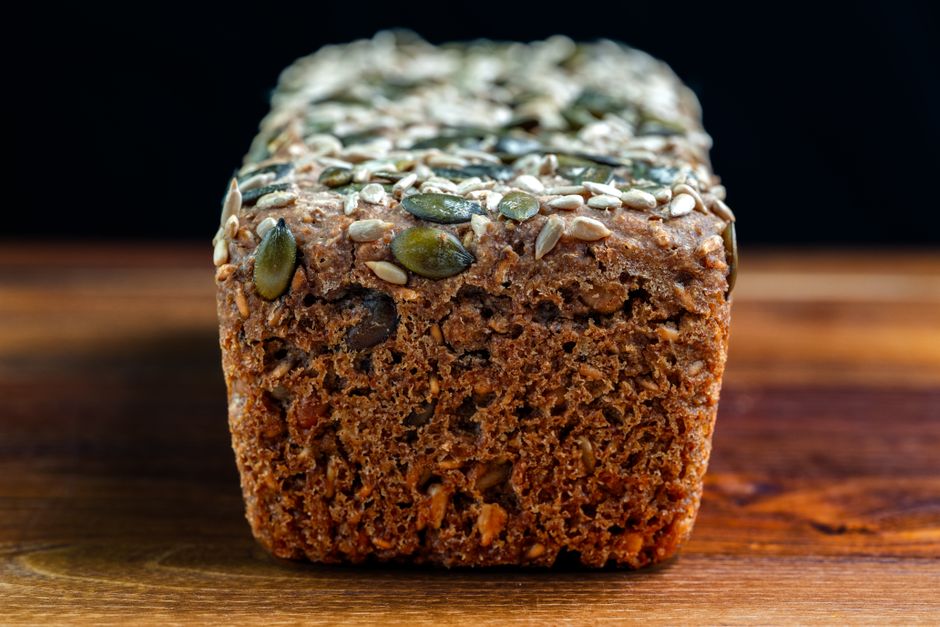
In bread and doughs, lecithin can improve dough handling and help fat distribute evenly. It is often used alongside the fat in a recipe rather than as a replacement for it. It does not replace eggs or butter in a formula; it changes how ingredients combine.
As a release agent
Lecithin is the active ingredient in many commercial cooking sprays. You can make a simple release spray by combining a small amount of lecithin with oil. It helps baked goods and candies release from pans and molds.
How Much Soy Lecithin Should You Use?
There is no single universal dose for cooking, because the right amount depends on the recipe, the form of lecithin, and what you are trying to achieve. Food manufacturers typically use small percentages of total product weight, and home cooks usually need less than they expect.
For most home uses, start with a very small quantity, such as a quarter teaspoon of granules or a few drops of liquid, and increase gradually. Overuse is the most common mistake. Excess lecithin can make sauces taste slightly beany or soapy and can make baked goods greasy.
When a recipe or product specifies an amount, follow it. Lecithin grades differ in potency, so a measurement that works for one brand may be too much for another.





Is Soy Lecithin Safe to Eat?
Soy lecithin has a long history of use in food and is generally recognized as safe by food regulators when used as intended. It is one of the most studied food additives in common use.
For most people, the amounts used in food are not a concern. People with soy allergy are often advised to discuss soy lecithin with their clinician, because highly refined soy lecithin contains very little soy protein, and reactions to it are considered uncommon. This is a clinical judgment, not a blanket rule, and anyone with a diagnosed soy allergy should follow their own doctor’s guidance rather than assume lecithin is safe.
Large supplemental doses are a different question from food use. High-dose lecithin supplements have been studied for various purposes, and the evidence is mixed. Some studies suggest effects on cholesterol or liver markers, but results vary and no large, consistent body of human trials supports routine high-dose use for most health goals.
Does Soy Lecithin Have Health Benefits?
The health claims around soy lecithin are much stronger in marketing than in the clinical evidence. Lecithin is a source of choline, a nutrient the body needs for cell membranes and nerve signaling. That is a real nutritional fact. It does not automatically translate into the benefits supplement sellers claim.
Lecithin has been studied for cholesterol, liver health, memory, and breastfeeding support, among other uses. The results are inconsistent. Some small studies show changes in markers; others do not. No clinical evidence currently confirms that soy lecithin supplements prevent disease or reliably improve memory or cognitive function in healthy adults.
One clarification worth knowing: the choline in lecithin is real, but getting choline from food sources is generally preferred over supplements unless a clinician recommends otherwise. Eggs, liver, and soy foods are established dietary sources.
If you are considering lecithin supplements for a specific health reason, talk to your clinician first. Supplements are not tightly regulated for purity and dose consistency, and the evidence base is not strong enough to recommend them broadly.
What About Soy Lecithin in Processed Foods?
Lecithin shows up on ingredient lists constantly, and that is not a red flag on its own. It is there to do a job: keep a product from separating, improve texture, or extend shelf stability. In that role it is a functional ingredient, not a health ingredient.
The bigger question with processed food is usually the whole product, not the lecithin in it. A chocolate bar or a packaged cookie is not healthier because its emulsifier is natural. Judge the food by its overall nutrition, not by one additive on the label.
Some people look for “non-GMO” or “organic” lecithin because most soy in the US food supply is genetically modified. That is a personal preference, not a safety issue. Food regulators have found no safety difference between lecithin from genetically modified and conventional soy.
How Should You Store Soy Lecithin?
Store lecithin in a cool, dry place away from direct light. Granules and powder can clump in humid conditions, so keep containers sealed. Liquid lecithin is more perishable and often benefits from refrigeration after opening, depending on the product.
Check the label for the manufacturer’s storage guidance, since formulations differ. Discard lecithin that smells rancid or has changed color significantly. Fats in lecithin can go off over time, just like cooking oils.
What Are the Alternatives to Soy Lecithin?
If you want to avoid soy, several other emulsifiers do similar work. Sunflower lecithin is the most common substitute and behaves much like soy lecithin in cooking and baking. Egg yolks are a natural emulsifier and work well in sauces such as mayonnaise and hollandaise.
Mustard and honey can help stabilize some dressings. For baking, the fat and eggs already in a recipe often do the emulsifying work, so added lecithin is not always necessary. In many home recipes, you can simply leave it out.
Each alternative has trade-offs. Sunflower lecithin may cost more and can have a slightly different flavor. Egg yolks add cholesterol and cannot be used in vegan recipes. Choose based on your recipe and dietary needs, not on claims that one emulsifier is healthier than another.
Frequently Asked Questions
Can I use soy lecithin instead of eggs in baking?
No. Soy lecithin is an emulsifier, not a binder or leavening agent, so it cannot replace the structure eggs provide. It can help fats blend more evenly, but it is not an egg substitute.
How much soy lecithin do I add to chocolate?
Use a very small amount, often a pinch per batch, and add it after the chocolate is fully melted and off the heat. Too much can make the chocolate greasy or leave an off taste.
Is soy lecithin safe for people with a soy allergy?
Highly refined soy lecithin contains very little soy protein and reactions are considered uncommon, but anyone with a diagnosed soy allergy should follow their clinician’s guidance rather than assume it is safe.
Does soy lecithin lower cholesterol?
Some small studies suggest it may affect cholesterol markers, but the evidence is mixed and no large consistent body of human trials confirms a reliable benefit. It is not an established treatment for high cholesterol.
