
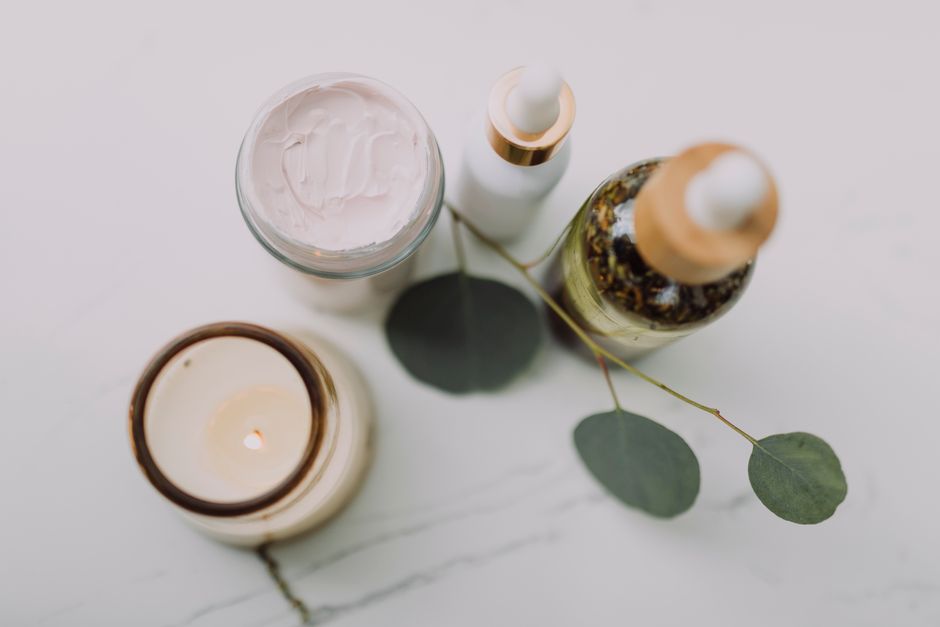
Rose essential oil is a concentrated aromatic extract made from rose petals, usually through steam distillation or solvent extraction. People use it diluted in a carrier oil for skin and hair, and sometimes for scent or relaxation. It is not a medicine, and no strong human trials show it treats skin disease or regrows hair. Here is what the evidence actually supports, and where the marketing runs ahead of the science.
What Is Rose Essential Oil And How Is It Different From Rose Water?
Rose essential oil and rose water are two different products, and people often confuse them. The oil is highly concentrated. The water is a dilute byproduct of distillation.
Steam distillation produces what is called rose otto. It takes a very large quantity of petals to yield a small amount of oil, which is why genuine rose oil is one of the most expensive essential oils on the market. Solvent extraction produces a “rose absolute,” which smells closer to the fresh flower but contains trace solvent residue.
Rose water is mostly water with a small amount of dissolved aromatic compounds. It is far milder and can be applied to skin more liberally. The essential oil cannot — it is too concentrated and will irritate skin if used undiluted.
One clarification worth knowing: the labeled species matters. Most cosmetic rose oil comes from Rosa damascena or Rosa centifolia. They smell similar but are not identical, and studies on one do not automatically apply to the other.
How To Use Rose Essential Oil For Skin Hair And More?
The core rule is dilution. Undiluted essential oil on skin can cause irritation, redness, and in some people a lasting allergic reaction. A common approach used in aromatherapy and cosmetic practice is to add a small number of drops to a carrier oil such as jojoba, sweet almond, or fractionated coconut oil before applying.
There is no single official dilution standard for rose oil specifically. A widely cited general guideline for adult skin use is roughly 1 to 2 percent essential oil in a carrier. That works out to about 6 to 12 drops per ounce (30 mL) of carrier oil. Treat this as a general reference point, not a prescription. Patch test first on a small area of inner forearm and wait 24 hours.
For facial skin, many people use a lower concentration than for body skin because facial skin is thinner and more reactive. For hair, a few drops can be mixed into a carrier oil and massaged into the scalp or run through the ends.
Never swallow rose essential oil. It is not a food ingredient, and ingestion can cause harm. Keep it away from the eyes and out of reach of children.
Does Rose Essential Oil Actually Help Skin?
The evidence for skin benefits is mostly laboratory and small-scale. That is a real limitation, and it matters when you are deciding what to buy.
Some lab studies have found that rose oil components show antioxidant and antibacterial activity in a petri dish. That is not the same as proving a benefit on human skin. A substance that kills bacteria in a dish may do nothing useful once diluted and applied to intact skin.
Some small human studies suggest rose oil aromatherapy may support relaxation, and a few have looked at its use in massage for comfort. These are not skin-treatment studies, and the sample sizes tend to be small.
What rose oil can reasonably do in a skincare routine:
- Add a pleasant scent to a carrier oil or cream
- Contribute a small amount of antioxidant compounds to a formula
- Make a massage or facial routine more enjoyable, which some people find relaxing
What it has not been shown to do in good human trials: fade scars, treat acne, cure eczema, or reverse wrinkles. If a product claims these, the claim is not backed by strong evidence.
Can Rose Essential Oil Help With Hair?
No strong clinical evidence shows rose essential oil grows hair, stops thinning, or treats scalp conditions. The claims you see online are largely based on its traditional use and its scent, not on controlled trials.
That does not make it useless in a hair routine. Massaging a diluted oil into the scalp is a pleasant practice, and the massage itself — not the rose oil — is what most of the benefit would come from. Some research on scalp massage suggests it may support a feeling of relaxation and scalp comfort, though evidence for hair growth from massage alone is limited.
If you want to try it, mix a few drops into a carrier oil and massage into the scalp before washing. Rinse well. People with dandruff, psoriasis, or a sensitive scalp should be cautious, since added oils and fragrance can worsen irritation in some cases.
If you are experiencing real hair loss, see a clinician. Pattern hair loss and other forms have established treatments, and essential oils are not among them.
What About Aromatherapy And Mood?
This is where rose oil has its most plausible use, though the evidence is still modest. Aromatherapy with rose oil has been studied for relaxation and comfort in small trials, often in settings like massage or childbirth. Results are mixed, and study quality varies.
The honest position: some people find the scent calming, and there is no strong reason to think occasional inhalation is harmful for healthy adults. But do not expect it to treat anxiety or depression. Those need proper care.
If you use it for scent, a diffuser or a drop on a tissue is enough. Avoid applying it near the nose of infants or young children, and keep it away from anyone with asthma or fragrance sensitivity who reacts to strong scents.
Who Should Avoid Rose Essential Oil?
Some people should skip it or check with a clinician first. Essential oils are not risk-free, and rose oil is no exception.
- Pregnant and breastfeeding women: there are no established clinical guidelines for using rose essential oil during pregnancy or breastfeeding. The safest approach is to avoid it unless a clinician says otherwise.
- People with sensitive skin or eczema: fragrance is a common trigger for irritation and contact allergy. Patch test and use low concentrations, or skip it.
- People with fragrance allergy: rose oil contains natural fragrance compounds that can cause reactions in people already sensitized.
- Children and infants: essential oils are not recommended for infants, and guidance for young children is limited. Do not apply undiluted oil to a child’s skin.
- Anyone with asthma or reactive airways: strong scents can trigger symptoms in some people.
If you develop redness, itching, or swelling after use, stop and wash the area. Seek medical care if a reaction is severe or spreads.
How To Choose A Real Rose Oil
Because rose oil is expensive, the market has a lot of diluted or mislabeled products. A bottle that costs very little is unlikely to be pure rose oil. Look for the species name on the label and a statement of purity.
Store it in a dark glass bottle away from heat and light. Essential oils degrade over time, and oxidized oil is more likely to cause skin reactions. Replace it if it smells sharp or off.
None of this makes rose oil a treatment for anything. It is a fragrant plant extract with some laboratory activity and a long history of cosmetic use. Used sensibly and diluted, it can be a pleasant addition to a routine. Used as a substitute for medical care, it can waste your money and delay real treatment.
Frequently Asked Questions
Can I put rose essential oil directly on my skin?
No, undiluted rose essential oil can irritate skin and should be mixed into a carrier oil first. Patch test a small area before wider use.
Does rose essential oil really help hair growth?
No strong clinical evidence shows rose essential oil grows hair or treats hair loss. See a clinician for real hair loss, since established treatments exist.
Is rose essential oil safe during pregnancy?
No established clinical guidelines cover rose essential oil use in pregnancy or breastfeeding. Avoid it unless a clinician advises otherwise.
What is the difference between rose oil and rose water?
Rose essential oil is highly concentrated and must be diluted, while rose water is mostly water and far milder. They are not interchangeable.
