
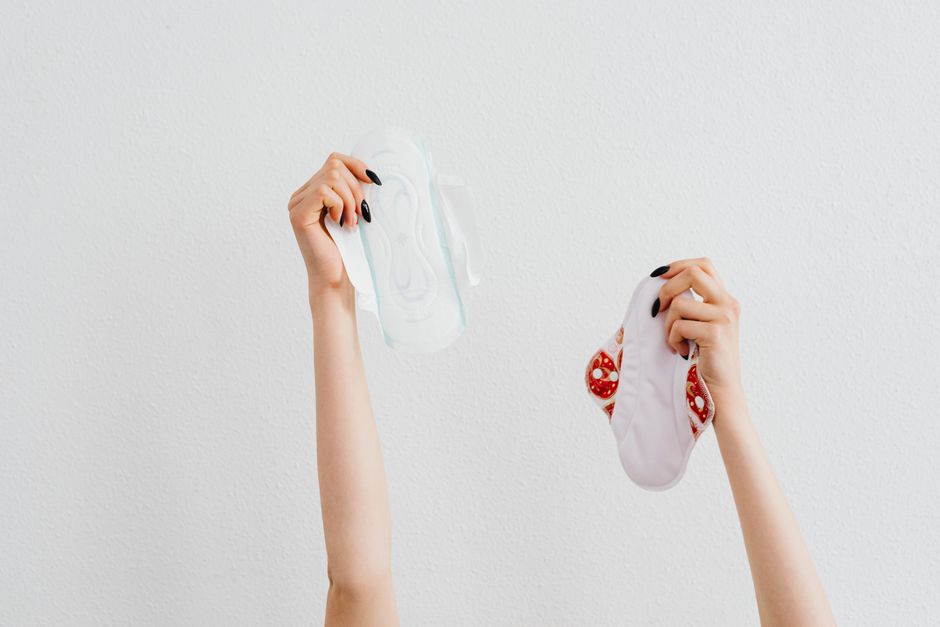
Reusable pads are cloth menstrual pads you wear, then wash and reuse for years. Using them comes down to three habits: change them every few hours, rinse them after use, and wash them thoroughly with hot water and detergent before drying completely. Get those three steps right and cloth pads work much like disposable ones, without the monthly waste.
Most people picture a complicated routine. It is not. The main differences from disposables are that you wash instead of throw away, and you need a clean place to store used pads until laundry day. Everything else is small adjustments you will figure out in the first cycle or two.
How Do You Wear Reusable Pads?
You wear a cloth pad the same way you wear a disposable one. It sits in your underwear, the absorbent side against your body and the waterproof side facing the fabric.
Most reusable pads fasten with snaps that wrap around the gusset of your underwear. Some use wings with snaps, and a few tuck into a pocket or use adhesive strips. Check the shape before you buy. A pad that does not stay put is a pad you will not use.
Placement matters. Center the pad so the absorbent area covers where your flow actually lands. If you tend to leak at the front or back, position the pad slightly forward or back rather than dead center.
Fabric choice affects feel. Cotton and bamboo are common. Cotton tends to feel drier against skin. Bamboo is soft but can hold moisture closer to the body for some people. Neither is clearly better in head-to-head research, so comfort is the honest guide here.
How Often Should You Change a Reusable Pad?
Change it about as often as you would a disposable pad — typically every three to six hours, and more often on heavy flow days. There is no fixed rule, because flow varies. Change sooner if the pad feels damp against your skin.
Sitting in a wet pad for long stretches is not ideal for comfort or skin health. The same principle applies to disposables. If you would not leave a disposable on for eight hours, do not do it with cloth either.
Carry a spare. A small wet bag or zip pouch lets you store used pads discreetly until you get home.
How Do You Clean Reusable Pads After Use?
Rinse the pad in cold water as soon as you can, then wash it before it dries out. Cold water first is the key step. Hot water too early can set blood stains into the fabric, making them much harder to remove.
Here is the routine that works for most people:
- Rinse under cold running water until the water runs mostly clear.
- Store rinsed pads in a breathable wet bag or bucket until wash day. Do not seal damp pads in plastic for days — that encourages odor and mildew.
- Wash within a day or two. Do not let used pads sit for a week.
If you are out and about, fold the used pad absorbent side in, snap it closed, and put it in your wet bag. Rinse when you get home.
How Should You Wash Reusable Pads?
Wash cloth pads with hot water and a regular laundry detergent, then dry them completely. Heat and thorough drying are what make the difference. This is not a place to cut corners.
You can wash pads with your regular laundry or in a separate load. Some people prefer a separate load for peace of mind. Either works, as long as the wash is thorough and the pads dry fully.
A few practical points:
- Skip fabric softener. It coats fibers and can reduce absorbency over time.
- Use the hottest water the fabric label allows. Check the manufacturer’s care instructions, since some waterproof layers are heat-sensitive.
- Pre-treat stubborn stains with cold water and a little detergent before washing.
- Line dry in direct sun when you can. Sunlight helps with stains and odor. A machine dryer on low heat also works if the fabric allows it.
Make sure the pad is bone dry before you store it or wear it again. Damp cloth held against skin for hours is a setup for irritation, and damp storage invites mildew.
How Do You Remove Stains From Reusable Pads?
Treat stains with cold water and detergent, and let the pad soak briefly if needed. Then wash as usual. Sun drying helps fade what remains.
Older stains are harder. If a pad has been washed and dried with a stain set in, it may never come fully clean. That is cosmetic, not a health problem, as long as the pad is washed and dried properly. Some people keep stained pads for light days.
How Many Reusable Pads Do You Need?
Most people do well with somewhere around eight to twelve pads to start, depending on flow and how often they do laundry. That range covers a typical cycle without running out between washes.
Think about your wash schedule. If you do laundry twice a week, you need fewer pads. If you wash once a week, you need more. Buy a small set first and add to it once you know what works for your flow and your routine.
It also helps to have a mix of absorbencies — lighter pads for the start and end of your period, heavier ones for the middle days. Buying all one size usually leads to frustration.
Are Reusable Pads Safe and Hygienic?
Cloth pads are widely used and generally considered safe when washed and dried properly. The main hygiene risks come from poor washing and from leaving damp pads against skin for long periods.
Change pads regularly, rinse promptly, wash thoroughly, and dry completely. Those steps address the realistic concerns. There is no strong evidence that well-maintained cloth pads cause infections at higher rates than disposables. The research base here is modest, so treat that as a reasonable reading of the evidence rather than a settled finding.
One point worth being clear about: cloth pads do not “detox” anything, and no study supports claims that they balance hormones or improve menstrual health beyond the practical benefits. They are a reusable absorbent product. The benefits are waste reduction, cost over time, and personal preference.
When Should You See a Doctor?
See a doctor if you develop persistent vaginal itching, unusual discharge, a rash that does not clear, or pain. These can have many causes unrelated to pads, and a clinician can sort out what is going on.
Also talk to a doctor about very heavy bleeding, bleeding between periods, or periods that disrupt your daily life. Those are worth evaluating regardless of what product you use.
How Do Reusable Pads Compare to Disposables?
Reusable pads cost more upfront and less over time. The break-even point depends on how many you buy and how long they last, which varies by fabric and care. Most cloth pads hold up for a few years with proper washing.
Disposables are simpler — no washing, no storage, no laundry planning. That convenience is real, and for some people it is the deciding factor.
| Feature | Reusable Pads | Disposable Pads |
|---|---|---|
| Upfront cost | Higher per pad | Lower per pad |
| Ongoing cost | Low after purchase | Recurring monthly |
| Waste | Minimal after purchase | Monthly landfill waste |
| Care routine | Rinse, wash, dry | None |
| Convenience away from home | Requires wet bag | Simple disposal |
| Fit and feel | Varies by brand and fabric | Consistent |
Neither is objectively better for everyone. The choice comes down to your priorities, your laundry situation, and how you feel wearing each.
Frequently Asked Questions
Can you wash reusable pads with regular laundry?
Yes, you can wash them with regular laundry as long as the load uses hot water and a normal detergent. Some people prefer a separate load, but it is not required.
How often should you change a reusable pad?
Change it every three to six hours, and more often on heavy flow days. Change sooner if the pad feels damp against your skin.
Can reusable pads cause infections?
There is no strong evidence that properly washed and dried cloth pads cause infections at higher rates than disposables. Poor washing, damp storage, and leaving pads on too long are the realistic risk factors.
How long do reusable pads last?
Most cloth pads last a few years with proper washing and drying. Lifespan varies by fabric quality and how carefully you follow the care instructions.
