
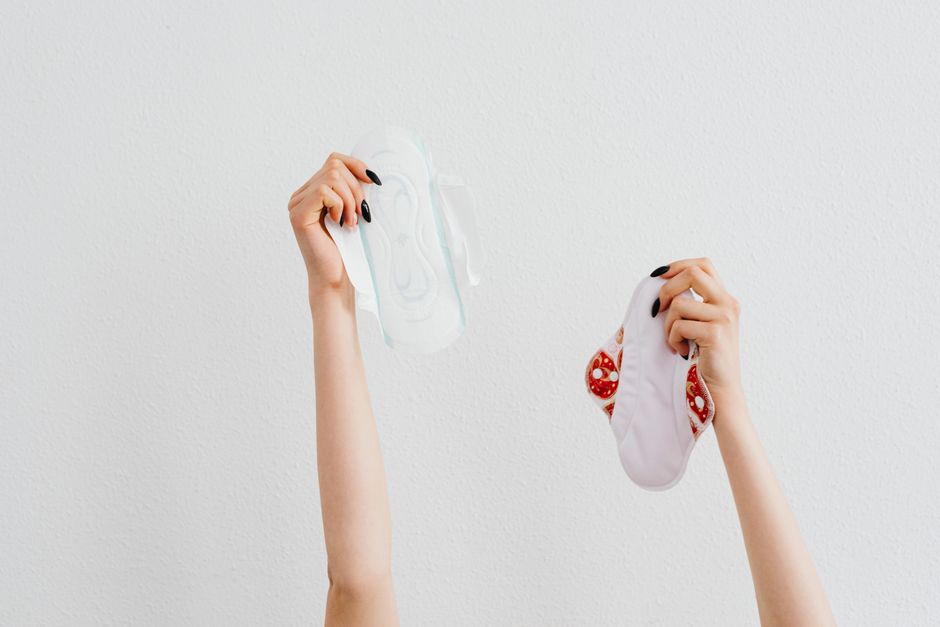
Reusable pads are cloth menstrual pads you wash and wear again, month after month. Using them comes down to four steps: put one on with the absorbent side against your body, change it every few hours depending on your flow, rinse it cold soon after removing it, and wash it with mild detergent before drying it fully. That is the whole routine. The details below cover each step so nothing feels uncertain the first time.
What Are Reusable Pads and How Do They Work?
A reusable pad is a layered piece of fabric shaped to sit in your underwear and absorb menstrual blood. Most have three functional layers: a soft top layer that touches your skin, one or more absorbent core layers, and a water-resistant backing that helps prevent leaks.
The top layer is usually cotton, bamboo, or a microfiber blend. The core holds the fluid. The backing is often a thin waterproof fabric. Some pads have wings that fold around the gusset of your underwear and snap or fasten to hold the pad in place.
Unlike disposable pads, which use wood pulp and superabsorbent polymers, reusable pads rely on fabric fibers to absorb and hold fluid. They generally need to be changed more often than a high-absorbency disposable pad, because fabric holds less fluid before it feels wet.
One point worth knowing: reusable pads are not the same as period underwear. Period underwear has the absorbent layers built into the garment. Reusable pads are separate and you swap them out while keeping the same underwear on.
How Do You Put a Reusable Pad On?
Place the pad in the crotch of your underwear with the soft, absorbent side facing up toward your body. The waterproof side faces down against the fabric.
If the pad has wings, fold them around the edges of your underwear and fasten the snaps underneath. Wings keep the pad from shifting when you move. If your pad has no wings, make sure it sits flat and centered.
Check the fit before you get dressed. The pad should cover from roughly the front of the crotch area to the back. If it bunches or folds, it will leak. Smooth it flat with your hand.
Some people prefer a snugger-fitting underwear with reusable pads, because a loose fit lets the pad slide. This is a fit preference, not a rule.
How Often Should You Change a Reusable Pad?
Change your pad every few hours, or sooner if it feels wet or you notice a smell. There is no single correct number, because flow varies widely from person to person and from day to day.
On heavy flow days, many people change every two to four hours. On light days, a pad may last longer. The signal to change is simple: when the top layer feels damp against your skin, it is time.
Leaving a wet pad against your skin for long periods can cause irritation. Moisture and warmth against the skin can also make odor more noticeable. Changing when the pad feels wet addresses both.
Carry a small wet bag or a zip pouch with you so you have somewhere to put a used pad until you get home. A dedicated wet bag keeps moisture and odor contained.





How Do You Clean a Reusable Pad After Wearing It?
Rinse the pad in cold water as soon as you can after removing it. Cold water helps prevent blood from setting into the fabric and reduces staining. Hot water can set protein stains, making them harder to remove later.
You can rinse by hand under a tap, or soak the pad in a container of cold water. Some people add a small amount of mild detergent to the soak. There is no need for bleach or harsh chemicals, and bleach can damage the fabric and the waterproof layer over time.
If you cannot rinse right away, store the used pad in a dry wet bag until you can. Do not leave a soiled pad sealed in a plastic bag for days, because that encourages odor and bacterial growth.
Once rinsed, the pad can wait until your regular wash day. You do not need to wash each pad separately the moment you rinse it.
How Do You Wash and Dry Reusable Pads?
Wash reusable pads with mild detergent in a regular washing machine cycle, or by hand if you prefer. Most pads tolerate a normal warm or cool wash.
Follow the care instructions that came with your pads, because fabric blends vary. Some manufacturers recommend avoiding fabric softener, which can coat the fibers and reduce absorbency over time. Some also advise against bleach for the same reason.
Wash pads separately from heavily soiled items if you can, or in a mesh laundry bag to keep them from getting lost. A mesh bag also protects the snaps and stitching.
Drying depends on the fabric. Many pads can go in a dryer on low heat, but high heat can shrink layers or damage the waterproof backing. Air drying is gentler and extends the life of the pad. If you dry outside in direct sun, the sunlight can help with any lingering stains.
Make sure the pad is completely dry before you store it. Storing a damp pad can lead to mildew, which is hard to remove and can make the pad unusable.
Quick care reference
- Rinse: cold water, as soon as practical after removal
- Wash: mild detergent, normal cycle or by hand
- Avoid: bleach and fabric softener, which can damage fibers and reduce absorbency
- Dry: low heat or air dry, fully dry before storing
- Store: clean, dry place until next use
How Many Reusable Pads Do You Need?
The number depends on your flow, how often you change, and how often you do laundry. Someone with a light flow who washes every couple of days needs fewer pads than someone with a heavy flow who washes once a week.
A common starting point is enough pads to cover one full day of changes plus a few extra, so you are not forced to wash constantly. You can build your stash over time once you see how many you actually use.
Having a mix of absorbencies helps. Lighter pads work for light days, and thicker or longer pads work for heavy days or overnight. Many people keep both on hand.
Are Reusable Pads Safe and Do They Work?
Reusable pads are a widely used menstrual product, and for many people they work well. They absorb menstrual fluid, and when changed and washed properly, they are a practical option.
One honest limitation: fabric holds less fluid than the superabsorbent materials in disposable pads. That means reusable pads generally need more frequent changing, especially on heavy days. This is a design difference, not a flaw, but it matters for planning your day.
Proper washing matters for hygiene. A pad that is rinsed, washed with detergent, and fully dried is clean and ready to use. A pad that stays damp or is stored dirty can develop odor and mildew.
Some people find reusable pads more comfortable against the skin than disposables, and some find them less so. Comfort is individual. If you experience persistent irritation, burning, or unusual discharge, stop using the product and talk to a healthcare provider. Those symptoms can have causes unrelated to the pad.
Reusable pads also reduce ongoing waste compared with disposables, since you are not throwing away a pad after each use. That is an environmental consideration, separate from how well they perform.
Frequently Asked Questions
Can you wash reusable pads in a normal washing machine?
Yes, most reusable pads can be washed in a regular machine with mild detergent. Rinse them in cold water first, and check the manufacturer’s care label because fabric blends vary.
How often should you change a reusable cloth pad?
Change it every few hours, or sooner if it feels wet. On heavy flow days that often means every two to four hours, while light days may allow longer wear.
Do reusable pads leak more than disposable pads?
They can, because fabric holds less fluid than the superabsorbent materials in disposables. Changing more often and choosing a higher-absorbency pad for heavy days helps reduce leaks.
Can you put a used reusable pad in the dryer?
Many pads can go in a dryer on low heat, but high heat can shrink layers or damage the waterproof backing. Air drying is gentler and helps the pad last longer.
