
Purslane is an edible succulent that grows as a common weed in many parts of the world. People use it for skin in two main ways: applied topically as a fresh poultice, juice, or infused oil, and eaten or drunk as food or tea. The plant is rich in omega-3 fatty acids, vitamin C, and other compounds that have drawn research interest, but most of the evidence for skin benefits comes from laboratory and animal studies rather than large human trials.
What Is Purslane And Why Is It Used On Skin?
Purslane goes by the botanical name Portulaca oleracea. It has small, fleshy leaves and a slightly sour, mild taste. It shows up in traditional cooking across the Mediterranean, the Middle East, Mexico, and parts of Asia.
The plant contains several groups of compounds that researchers have studied. These include omega-3 fatty acids (particularly alpha-linolenic acid), vitamins A, C, and E, the minerals magnesium and potassium, and antioxidant pigments such as betalains and carotenoids. It also contains flavonoids and other plant chemicals.
That nutrient profile is why purslane appears in skin care discussions. Antioxidants can help limit oxidative stress in skin tissue, and omega-3 fatty acids play a role in the body’s inflammatory response. These are real biological functions. What is not well established is how much of this translates into visible skin improvement when you apply purslane to your face or eat it in a salad.
Here is an important distinction. A compound showing antioxidant activity in a lab dish does not prove it improves skin when used by a person. That gap between lab findings and real-world results is where most purslane skin claims fall apart. The honest position: purslane is a nutritious food and a plant with plausible skin-related compounds, but rigorous human trials on skin outcomes are limited.
How To Use Purslane For Skin Topically
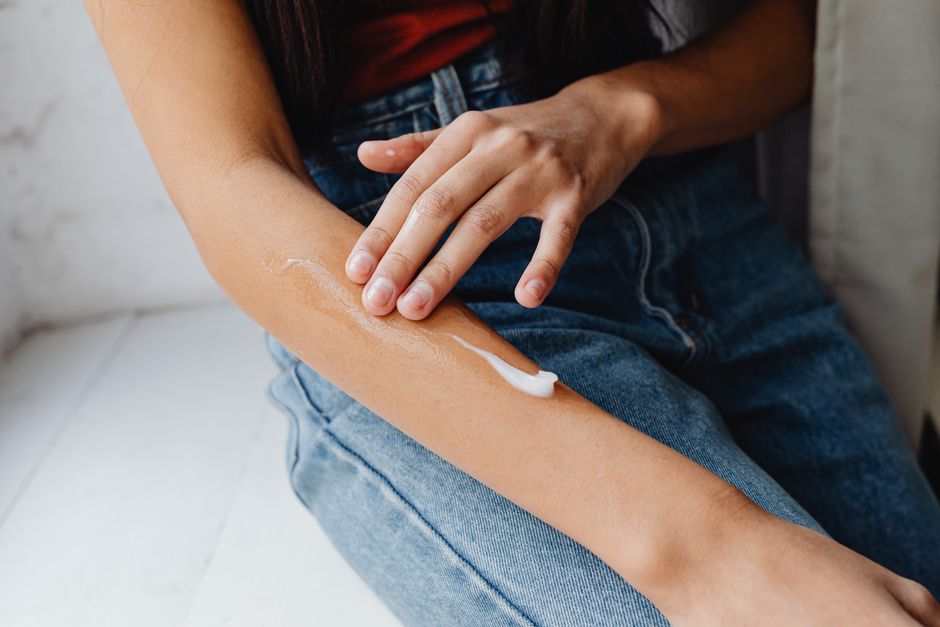
Topical use means applying purslane directly to your skin. People do this in several forms, and each has different practical considerations.
Fresh leaf poultice or crushed leaves
The simplest method is to wash fresh purslane, crush or chop the leaves, and apply them to the skin. Some people place the mashed leaves on a clean cloth and hold it against the area for a short time. This is a traditional practice. There is no standard recommended duration, and no clinical guideline establishes how long to leave it on.
Fresh juice
You can blend or crush purslane and strain the liquid. Some people apply the juice with a cotton pad. Because fresh plant juice can carry bacteria and because it is acidic, it may irritate sensitive skin. Testing a small area first is reasonable.
Infused oil
Purslane can be steeped in a carrier oil such as olive or sunflower oil to make an infused oil. This is a common way to extract fat-soluble compounds. The oil can then be applied to skin. Homemade infused oils carry a risk of bacterial or mold growth if they contain any water content, so proper drying of the plant material matters.
Commercial creams and extracts
Purslane extract appears in some skincare products. Formulations vary widely. A product listing purslane extract does not tell you the concentration or whether it has been tested for skin outcomes. Marketing language on these products often runs ahead of the evidence.
Practical cautions for topical use
- Wash the plant thoroughly. Purslane grows close to the ground and can carry soil, pesticides, and bacteria.
- Do not forage from roadsides, sprayed lawns, or areas treated with herbicides.
- Test on a small patch of skin before wider use, especially if you have sensitive skin or eczema.
- Stop if you notice redness, burning, or swelling.
- Do not apply to broken skin or open wounds.
One non-obvious point: purslane is a known source of oxalates. That matters more for eating than for skin, but it is worth knowing because oxalate content affects how the plant is handled in some traditional preparations.
How To Use Purslane Orally For Skin Benefits
Oral use means eating purslane or drinking it as a tea or juice. The logic here is different from topical use. When you eat purslane, its nutrients and fatty acids are absorbed and distributed throughout the body rather than concentrated at the skin surface.
Purslane is a legitimate food. It is eaten raw in salads, cooked in soups and stews, and used in some regional dishes. As a food, it contributes omega-3 fatty acids, vitamin C, vitamin A, magnesium, and potassium to the diet.
Ways people eat or drink it
- Raw in salads, where the leaves keep more of their vitamin C
- Cooked in soups, stews, or sautés
- Blended into smoothies or juices
- Steeped as a tea from fresh or dried leaves
Does eating purslane improve your skin? The evidence is thin. Nutrition does influence skin over time — adequate vitamin C supports collagen formation, and overall diet quality affects skin health. But no large human trial has demonstrated that adding purslane specifically to your diet produces measurable skin improvements. Claims that purslane “clears” skin or reverses aging when eaten are not supported by strong clinical evidence.
There is a separate consideration for oral use. Purslane contains oxalates, and high oxalate intake is a concern for people who form calcium oxalate kidney stones. If you have a history of kidney stones, talk to a clinician before eating large amounts. Purslane also has been used traditionally in ways that suggest possible effects on uterine muscle, so pregnant women should be cautious and check with a healthcare provider before using it medicinally rather than as a small amount of food.




What Does The Evidence Actually Show?
The research on purslane and skin is mostly early-stage. Laboratory studies have examined purslane extracts for antioxidant and anti-inflammatory activity. Some animal studies have looked at wound healing and skin inflammation. These findings are interesting but they are not the same as evidence that purslane helps human skin.
Human studies are limited and generally small. Some research suggests purslane may have effects on inflammation or blood sugar, but results vary and studies have not consistently focused on skin. There is no strong body of clinical evidence confirming that purslane, applied or eaten, improves wrinkles, acne, pigmentation, or any specific skin condition.
This does not mean purslane is useless. It means the honest answer is that we do not have the human data to make firm skin claims. Anyone telling you purslane is a proven skin treatment is getting ahead of the science.
Topical vs Oral Purslane: How They Compare
These two approaches work through different routes and are not interchangeable. The table below summarizes the practical differences.
| Factor | Topical | Oral |
|---|---|---|
| How it reaches skin | Direct contact with skin surface | Absorbed through digestion, distributed body-wide |
| Common forms | Poultice, juice, infused oil, creams | Salads, cooked dishes, tea, juice |
| Main evidence type | Lab and some animal studies | Nutritional and some human studies, not skin-specific |
| Key risk | Skin irritation, contamination from raw plant | Oxalate intake, possible effects in pregnancy |
| Human skin evidence | Limited | Limited |
Neither route has strong human evidence for skin outcomes. Topical use delivers compounds closer to the skin surface, but skin is a barrier and not everything penetrates well. Oral use supports general nutrition, which affects skin indirectly over time. If your goal is skin health, neither method is a substitute for proven basics like sun protection and not smoking.
Who Should Be Careful With Purslane
Purslane is generally eaten as a food in many cultures without issue. Caution applies mainly to medicinal or concentrated use.
- Pregnant women: Avoid medicinal amounts. Food amounts are a separate question best discussed with a clinician.
- People with kidney stone history: The oxalate content is a real concern.
- People on blood thinners: Purslane contains vitamin K, which can interact with warfarin and similar drugs. Talk to your prescriber.
- People with sensitive skin: Patch test any topical preparation first.
- Anyone foraging: Make sure you have identified the plant correctly and that it was not sprayed.
If you take prescription medication, check with a pharmacist or doctor before using purslane in concentrated or medicinal forms.
Should You Try Purslane For Your Skin?
If you enjoy purslane as a food, there is no reason to avoid it as part of a varied diet. It is nutritious and adds omega-3 fatty acids and vitamins. As a topical treatment for specific skin concerns, the evidence does not support strong claims, and results are unpredictable.
A reasonable approach is to treat purslane as a food first and a traditional remedy second. If you want to try it topically, use clean plant material, patch test, and do not expect proven results. If you have a persistent skin condition, a dermatologist can offer treatments with actual clinical evidence behind them.
The gap between what a plant contains and what it does for your skin is where most natural skincare marketing lives. Purslane is a good example. It is a real plant with real nutrients. It is not a proven skin cure, and no honest source should tell you otherwise.
Frequently Asked Questions
Can I put raw purslane directly on my face?
Some people do apply crushed fresh purslane leaves or juice to the face, but there is no clinical guideline for doing so. Raw plant material can irritate skin or carry bacteria, so patch test first and avoid broken skin.
Does eating purslane help clear acne?
No clinical evidence confirms that eating purslane clears acne. Diet can influence skin for some people, but purslane specifically has not been shown in human trials to treat acne.
How much purslane should I eat for skin benefits?
No official recommended amount exists for skin benefits, because that benefit has not been established. Purslane is safely eaten as a food in normal culinary amounts in many cultures.
Is purslane safe during pregnancy?
Purslane as a small amount of food is generally considered part of a normal diet, but medicinal or concentrated use is not advised during pregnancy without checking with a healthcare provider. No clinical guidelines establish a safe medicinal dose for pregnant women.
