
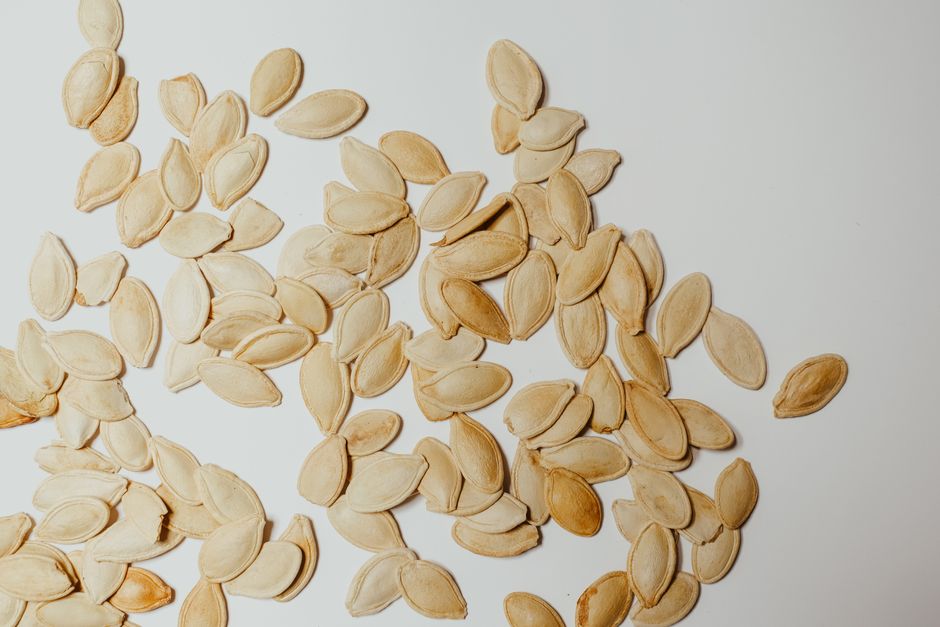
Pumpkin seeds are one of the few foods that have been studied specifically for prostate symptoms, and the research is more interesting than most people expect. The short answer: pumpkin seeds are a reasonable, nutrient-dense food to include in your diet, and some small human trials have found modest improvements in urinary symptoms in men with benign prostatic hyperplasia (BPH). But the evidence is not strong enough to call pumpkin seeds a treatment, and they should not replace medical care for a condition that can mimic prostate cancer.
Here is what the research actually shows, what pumpkin seeds can and cannot do, and how men are using them in practice.
What Is Prostate Enlargement and Why Does It Happen?
Prostate enlargement — medically called benign prostatic hyperplasia, or BPH — is a non-cancerous growth of the prostate gland that becomes increasingly common with age. It is not cancer, and it does not turn into cancer, but the two conditions can produce overlapping symptoms and often coexist.
The prostate sits just below the bladder and surrounds the urethra, the tube that carries urine out of the body. As the gland enlarges, it can press on the urethra and obstruct urine flow. That mechanical pressure — not inflammation or infection — is what produces the classic symptoms: a weak stream, difficulty starting urination, frequent nighttime urination (nocturia), a sense of incomplete emptying, and urgency.
BPH is driven primarily by hormonal changes, particularly the conversion of testosterone into dihydrotestosterone (DHT) by an enzyme called 5-alpha-reductase. DHT is the primary androgen responsible for prostate growth. This is why medications that block 5-alpha-reductase can shrink the prostate over time.
BPH is extremely common. By age 60, roughly half of men have some degree of prostate enlargement detectable on examination, and by age 85 that proportion rises to around 90 percent. Not all of them have symptoms, and not all symptoms require treatment.
What Is Actually in Pumpkin Seeds?
Pumpkin seeds are nutritionally dense and contain several compounds that have drawn research interest for prostate health.
- Zinc: The prostate contains higher concentrations of zinc than almost any other soft tissue in the male body. Zinc plays a role in prostate cell function and in the regulation of testosterone metabolism.
- Phytosterols: Plant sterols, including beta-sitosterol, are present in pumpkin seeds. Beta-sitosterol has been studied separately for urinary symptoms in BPH.
- Delta-7-sterols: These are a distinctive class of sterols found in pumpkin seed oil and have been the focus of several BPH trials.
- Magnesium, iron, and healthy fats: Pumpkin seeds are a good source of magnesium and provide polyunsaturated fatty acids.
- Antioxidants: Vitamin E and various phenolic compounds are present in meaningful amounts.
The biological rationale for pumpkin seeds in BPH centers on the phytosterols and zinc. Phytosterols may influence prostate cell metabolism and have mild anti-inflammatory effects. Zinc is involved in prostate function. This is plausible biology — but biological plausibility is not the same as demonstrated clinical benefit, and that distinction matters here.
What Does the Research on Pumpkin Seeds and BPH Actually Show?
The human evidence on pumpkin seeds and BPH is limited but not empty. Several small trials have examined pumpkin seed oil and pumpkin seed extract, mostly in Europe and Asia, and most have found modest improvements in urinary symptom scores.
The most commonly cited studies used a specific proprietary pumpkin seed oil extract rather than whole seeds or grocery-store pumpkin seed oil. This is an important distinction. The extract used in trials is standardized to a specific concentration of delta-7-sterols, which is not something a typical bottle of culinary pumpkin seed oil guarantees.
What the trials generally found: improvements in International Prostate Symptom Score (IPSS), a validated questionnaire used to grade BPH symptoms, and in some cases small improvements in urinary flow measures. What they generally did not find: dramatic shrinkage of the prostate or effects comparable to prescription BPH medications.
The honest position is this. The evidence is suggestive but not conclusive. The trials were small, often not placebo-controlled, and frequently industry-funded. No large, long-term, independent trial has confirmed that pumpkin seeds meaningfully change the course of BPH. That does not mean they are useless — it means the evidence does not support calling them a treatment.
-
 What is the Main Cause of Prostate Enlargement? The Short Answer
 -
How to Shrink Prostate Enlargement? What You Need to Know
-
How to Give Yourself a Prostate Massage? Tips You Can Try
-
How to Reduce the Prostate Naturally? A Few Things That Help
-
Prosta Defend Reviews: What Real Users Are Saying in 2026?




How Do Men Actually Use Pumpkin Seeds for Prostate Enlargement?
There is no established clinical protocol for using pumpkin seeds for prostate enlargement. No regulatory body has issued a dosing recommendation, and no professional urology guideline lists pumpkin seeds as a treatment for BPH. What follows describes common practice, not an evidence-based prescription.
Men who use pumpkin seeds for prostate symptoms typically do one of the following:
- Eat a small handful of raw or roasted pumpkin seeds daily as part of their regular diet — roughly 1 ounce, which is about 28 grams.
- Add pumpkin seed oil to food, typically 1 to 2 teaspoons daily.
- Take a pumpkin seed extract supplement, usually following the label directions on the specific product.
A 1-ounce serving of pumpkin seeds provides about 150 calories and is a good source of magnesium, zinc, and iron. That is a reasonable amount to include in a balanced diet. Beyond that, no reliable dosing data exists for treating BPH specifically, and no clinical guidelines currently exist for using pumpkin seeds as a prostate treatment in any population.
If you are considering a pumpkin seed supplement, read the label carefully. Products vary widely in sterol content, and the extract used in clinical trials is not the same as generic pumpkin seed powder.
Can Pumpkin Seeds Replace BPH Medication or Medical Care?
No. This is the most important point in this article.
BPH is a medical condition with established treatments that have been tested in large trials. These include alpha-blockers that relax prostate and bladder neck muscles, 5-alpha-reductase inhibitors that shrink the prostate over months, and surgical procedures for more severe cases. Pumpkin seeds have not been shown to match any of these in head-to-head trials.
There is also a safety issue that gets overlooked. Prostate enlargement symptoms overlap significantly with prostate cancer symptoms, urinary tract infections, bladder stones, and other conditions. A man who self-treats with pumpkin seeds and delays a proper evaluation may miss a diagnosis that would have been treatable earlier.
Any of the following warrant a medical evaluation rather than a dietary approach:
- Blood in the urine or semen
- Painful urination
- Inability to urinate
- Recurrent urinary tract infections
- Bone pain, especially in the back or hips
- Symptoms that are worsening rather than stable
Pumpkin seeds are food. They can be part of a healthy diet. They are not a substitute for a urology workup.
Are There Risks or Downsides to Eating Pumpkin Seeds?
For most people, pumpkin seeds are safe in normal food amounts. The main considerations are calorie density and mineral content.
Pumpkin seeds are calorie-dense. A 1-ounce serving is about 150 calories, and it is easy to eat several servings without noticing. For men watching their weight, portion awareness matters.
Pumpkin seeds are also high in phosphorus and potassium. Men with chronic kidney disease may need to limit phosphorus and potassium intake, so this is worth discussing with a doctor or dietitian. Pumpkin seeds are not appropriate in unrestricted amounts for someone on a renal diet.
Pumpkin seed oil and supplements are generally well tolerated, but gastrointestinal upset has been reported in some trials. As with any supplement, there is potential for interaction with medications, and quality control varies between products. If you take prescription medication, check with a pharmacist before adding a concentrated pumpkin seed supplement.
What Else Might Help With Prostate Enlargement?
Several other approaches have more established evidence than pumpkin seeds.
Prescription medications for BPH have been tested in large trials and are the standard of care for symptomatic BPH. Alpha-blockers typically work within days to weeks. 5-alpha-reductase inhibitors work over months and can shrink the prostate, though they take time and have side effects including sexual dysfunction.
Lifestyle factors that some research links to prostate symptom burden include maintaining a healthy weight, staying physically active, and limiting alcohol and caffeine in the evening if nocturia is a problem. These are reasonable general health measures, though their specific effect on BPH symptoms varies between individuals.
Other dietary components that have been studied for prostate health include lycopene from cooked tomatoes, selenium, and vitamin E. The evidence for each is mixed, and large trials of some of these supplements have not shown benefit — in one major trial, vitamin E supplementation was associated with a slightly increased risk of prostate cancer. That is a reminder that “natural” does not automatically mean safe or helpful.
Saw palmetto is another popular supplement for BPH. Despite early promising results, larger and better-designed trials — including a well-known study published in the New England Journal of Medicine — found that saw palmetto was no more effective than placebo for BPH symptoms. That history is worth keeping in mind when evaluating any supplement claim for prostate health.
Frequently Asked Questions
Do pumpkin seeds really shrink an enlarged prostate?
No study has confirmed that pumpkin seeds shrink the prostate. Some small trials found modest improvements in urinary symptom scores, but prostate shrinkage has not been demonstrated.
How many pumpkin seeds should I eat per day for prostate health?
There is no established clinical dose for prostate enlargement. A 1-ounce serving daily is a common dietary amount, but no guideline recommends a specific dose for BPH.
Can I use pumpkin seeds instead of BPH medication?
No. Pumpkin seeds have not been shown to match prescription BPH medications in clinical trials, and delaying medical evaluation can be harmful.
Is pumpkin seed oil better than eating whole pumpkin seeds?
The trials that showed benefit mostly used a specific standardized pumpkin seed oil extract, not culinary oil or whole seeds. Grocery-store pumpkin seed oil is not guaranteed to contain the same sterol concentration.
