
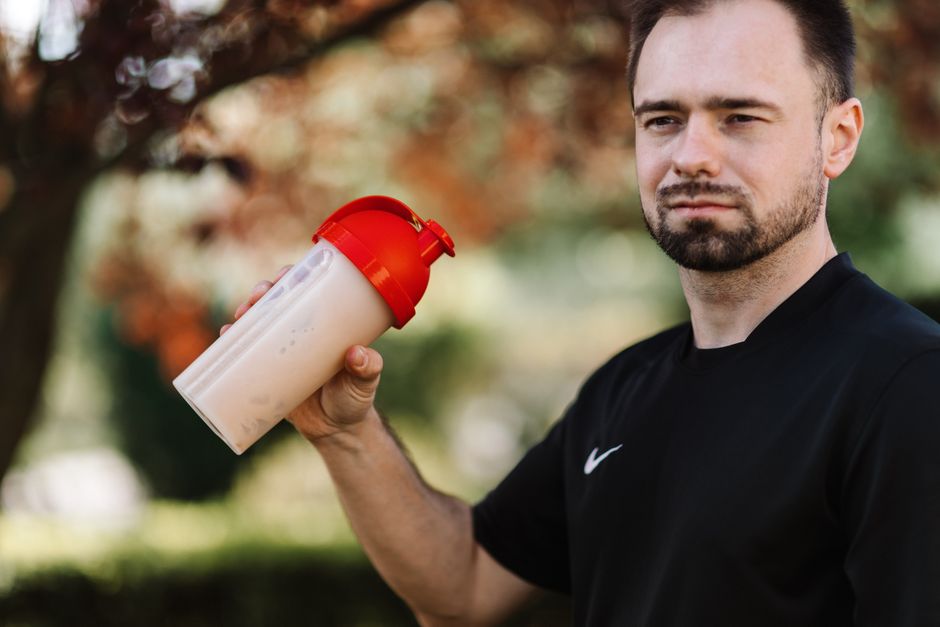
Protein powder is a convenient way to add protein to your diet, but how you use it matters more than most labels suggest. The timing of when you drink it has little effect on muscle growth for most people. What you mix it with, how much you use, and whether you actually need it in the first place matter far more than the clock.
Most healthy adults need about 0.8 grams of protein per kilogram of body weight per day, according to the Institute of Medicine. People who lift weights regularly can benefit from somewhat more. Protein powder is simply a supplement to help reach that target — not a requirement, and not a magic window.
How To Use Protein Powder Timing Mixing More: The Short Version
Drink your protein shake whenever it fits your day. Total daily protein intake matters far more than the exact minute you consume it. The idea that you must drink a shake within 30 minutes of finishing a workout is overstated for most recreational exercisers.
The “anabolic window” concept came from early studies on trained athletes doing fasted training. Later research has softened that picture considerably. Some studies suggest the window for muscle protein synthesis is wider than once believed — possibly several hours around a workout — and that the total protein you eat across the day is the stronger driver of muscle adaptation.
For people training fasted first thing in the morning, having protein soon after may be more useful than for someone who ate a meal two hours before training. Context matters. But for the average person trying to build or maintain muscle, the practical advice is simple: get enough protein each day and spread it across meals.
Does Protein Timing Actually Matter for Muscle Growth?
Total protein intake is the dominant factor. Research consistently shows that eating enough protein across the day supports muscle repair and growth, and that hitting your daily target is more important than precise timing.
That said, there is some evidence that spreading protein across meals — rather than eating most of it in one sitting — may support muscle protein synthesis better. Some studies suggest roughly 20 to 40 grams of high-quality protein per meal is a reasonable range for stimulating muscle protein synthesis in adults, though the exact optimal amount varies by body size, age, and training status. This is an area of ongoing research, not settled fact.
Older adults may benefit from paying closer attention to both total intake and distribution. Age-related muscle loss is a real concern, and some research indicates that older adults may need more protein per meal to trigger the same muscle-building response as younger people. The evidence here is meaningful but not fully consistent.
Here is a point that gets lost: if you are not meeting your daily protein target, timing a shake perfectly will not fix that. If you are meeting it, obsessing over timing adds stress without benefit.
What Should You Mix Protein Powder With?
Water is the simplest option and adds no extra calories. Milk adds protein, calcium, and calories — useful if you are trying to gain weight or need more total nutrition. Plant milks vary widely in protein content, so check the label if that matters to you.
What you mix with affects taste, texture, and how well the powder dissolves. It also affects the total nutritional profile of the shake. A scoop of whey in water is mostly protein. The same scoop in whole milk adds fat and carbohydrates.
Some practical notes:
- Cold liquid and a shaker bottle with a wire whisk ball work well for most powders.
- Adding powder to liquid — rather than liquid to powder — reduces clumping.
- Blending with fruit, yogurt, or ice creates a thicker shake and adds nutrients.
- Hot liquids can cause some protein powders, especially whey, to clump or curdle. If you want a warm drink, mix the powder with a small amount of cold liquid first, then add warm liquid gradually.
One clarification worth making: there is no strong evidence that mixing protein powder with any particular common beverage changes how well your body uses the protein. Digestion handles it. The exceptions involve very high doses of certain compounds or medical conditions, which are separate issues.
How Much Protein Powder Should You Use?
One serving — usually one scoop — is the standard starting point. Most commercial protein powders provide roughly 20 to 25 grams of protein per scoop, though this varies by brand and product. Check the nutrition label rather than assuming.
Protein powder is a supplement, not a meal replacement by default. It should fit within your overall daily protein needs, not stack on top of an already adequate diet. Adding a shake you do not need adds calories without benefit.
To estimate your daily protein target, multiply your body weight in kilograms by 0.8 for basic needs. For reference, 150 pounds is about 68 kilograms, which works out to roughly 54 grams of protein per day at the baseline. People who exercise regularly often aim higher — some guidance suggests 1.2 to 2.0 grams per kilogram for active adults — but individual needs vary and this range is not a universal prescription.
People with kidney disease should talk to their doctor before increasing protein intake, including from powder. This is not a casual caution. Protein restriction is sometimes part of kidney disease management, and self-directed increases without medical guidance are not appropriate.
Is Whey Better Than Plant Protein?
Whey is a complete protein with a strong amino acid profile and absorbs relatively quickly. Plant proteins can also be complete — soy is a clear example — and blends of pea and rice protein can provide a comparable amino acid profile. The gap between whey and well-formulated plant proteins is smaller than marketing often implies.
Some studies suggest whey may produce a slightly higher muscle protein synthesis response in the short term. Whether that translates into meaningfully different long-term muscle or strength outcomes is less clear, and results vary across studies. For most people, the best protein powder is the one they will actually use consistently and tolerate well.
People with lactose intolerance may find whey isolate easier to tolerate than whey concentrate, or may prefer a plant-based option. People with milk allergies should avoid whey and casein entirely.
Do You Even Need Protein Powder?
No — not if you already get enough protein from food. Whole foods like eggs, poultry, fish, dairy, beans, lentils, and tofu provide protein along with other nutrients that powders do not. Protein powder is convenient, not superior.
It becomes genuinely useful in specific situations: when your appetite is low, when you are traveling or busy, when dietary restrictions make hitting your protein target hard, or when you simply prefer a shake to another chicken breast. Those are practical reasons, not medical necessities.
Powdered supplements are not regulated the same way as medications in the United States. Third-party testing programs exist, and choosing products that have undergone independent testing is one way to reduce the risk of contamination or inaccurate labeling. This is a reasonable precaution, not a guarantee of purity.
What About Mixing Protein Powder With Other Supplements?
Mixing protein powder with creatine is common and generally considered compatible. Some research supports combining them without reducing the effectiveness of either. That said, individual responses vary, and the evidence on combination effects is not extensive.
Mixing with caffeine or pre-workout products is also common. There is no strong evidence of harm at typical doses for healthy adults, but stimulant sensitivity varies. People with heart conditions, high blood pressure, or who are pregnant should be cautious with stimulant supplements in general and talk to a healthcare provider.
Beyond that, combining protein powder with other supplements is largely an individual judgment. There is no comprehensive body of research confirming safety or benefit for most combinations.
Common Mistakes People Make
Using protein powder as a substitute for meals is one. Powders lack the fiber, vitamins, minerals, and other compounds found in whole foods. They are supplements, not replacements.
Another is assuming more protein is always better. There is a ceiling to how much protein supports muscle protein synthesis at one time, and excess protein is either used for energy or stored. Very high intakes are not linked to additional muscle gain in most people.
Ignoring total calories is a third. A protein shake can easily add several hundred calories depending on what you mix it with. If weight management is a goal, that matters.
Finally, buying based on marketing claims rather than the nutrition label. The label tells you protein per serving, calories, and ingredients. That is the information that actually counts.
Frequently Asked Questions
When should I drink a protein shake after a workout?
For most people, anytime within a few hours of training is fine, and total daily protein matters more than exact timing. If you train fasted, having protein sooner after exercise may be more useful.
Can I mix protein powder with water only?
Yes, water works well and adds no extra calories. It may taste thinner than milk-based shakes, but the protein content is unchanged.
How much protein powder should I take per day?
One scoop is a typical serving, usually providing about 20 to 25 grams of protein depending on the brand. Use it to fill gaps in your daily protein needs rather than as an automatic addition.
Is it bad to drink protein powder without exercising?
No, it is not harmful, but it offers little advantage over protein from food if you are not physically active. It is simply a convenient protein source.
