
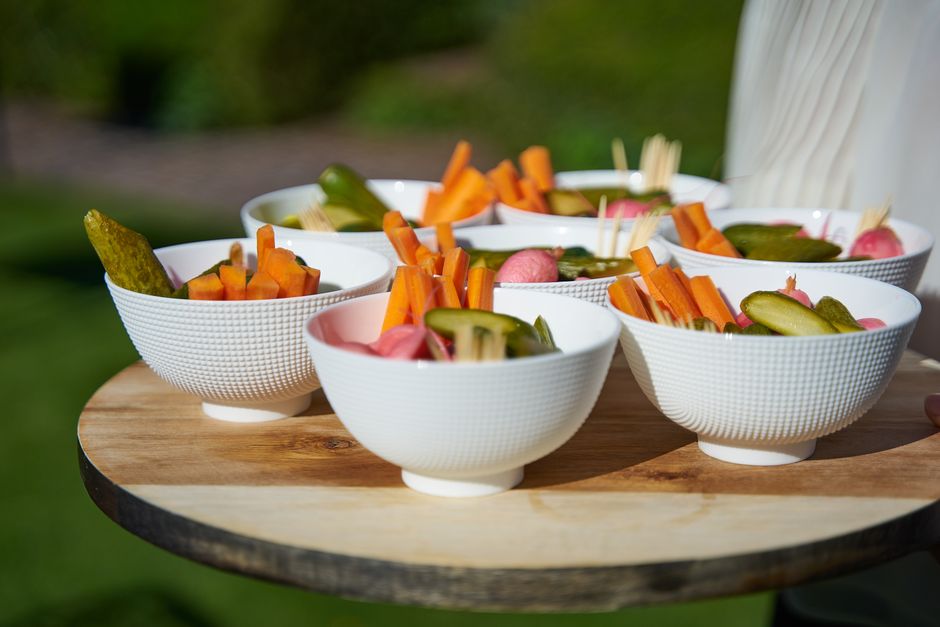
Pickled vegetables can do far more than sit in a jar at the back of the fridge. You can use them as a snack straight from the jar, chop them into salads and grain bowls, add them to sandwiches and tacos for crunch, cook them into soups and braises, or use the brine as a seasoning liquid, marinade, or dressing base. The main rules are to taste as you go, because pickles are salty and acidic, and to use brine with some care since it is high in salt.
This guide covers the practical ways to use pickled vegetables in dishes, as snacks, and how to handle the brine. It also covers what the evidence does and does not support about health claims, so you can make your own decisions.
What Are Pickled Vegetables, Exactly?
Pickling is a method of preserving food in an acidic environment or through fermentation. The two main types work in different ways, and the difference matters for both flavor and health.
Vinegar pickles are made by packing vegetables in a solution of vinegar, water, salt, and often sugar. The acid in the vinegar lowers the pH enough to slow the growth of many spoilage organisms. These pickles are quick to make and are what most people picture when they think of pickles — cucumber pickles, pickled onions, pickled beets, and the like.
Fermented pickles are made with salt and water, without vinegar. Naturally occurring bacteria, mainly lactic acid bacteria, convert sugars in the vegetable into lactic acid. That acid does the preserving. Sauerkraut and traditional kimchi are examples. Fermented pickles contain live cultures if they are not heat-treated after fermentation.
Both types are safe when made and stored properly. The health profiles are not identical, though. Fermented pickles can contain live bacteria and are lower in added sugar, while vinegar pickles often contain added sugar and are more acidic. Neither is a “health food” in the way marketing sometimes suggests. They are vegetables, preserved. That is already a reasonable thing to eat.
How To Use Pickled Vegetables Dishes Snacks Brine?
The simplest way to think about pickles is as a flavor tool. They bring acid, salt, and crunch to foods that would otherwise taste flat. That combination is why pickles appear in so many cuisines — from Korean kimchi to Indian achar to Eastern European sauerkraut.
In dishes
Chop pickles and add them to grain bowls, potato salad, tuna salad, or egg salad. The acid cuts through richness and the salt seasons the whole dish, so you often need less added salt elsewhere. Pickled onions and pickled jalapeños work well on tacos, burgers, and sandwiches. Pickled beets and pickled carrots add color and tang to salads.
Pickles also work in cooked dishes. Add chopped pickles or a spoonful of brine to soups, stews, and braises near the end of cooking. In some traditional recipes, pickles are cooked into the dish itself — sauerkraut with sausage, for example, or pickled vegetables in a stir-fry. Heat will reduce the crunch, so if texture matters, add them at the end.
As snacks
Pickles make a low-calorie snack on their own. A whole dill pickle has very few calories, though it is high in sodium. Pickled vegetables with hummus or a yogurt dip are a practical snack. Because pickles are salty and acidic, they can be hard on an empty stomach for some people, and eating a large amount at once is not ideal for anyone watching salt intake.
The brine
Pickle brine is a concentrated seasoning liquid. A spoonful can brighten a marinade, a salad dressing, or a Bloody Mary. Some people drink it straight, especially after exercise, because it contains sodium and fluid. That is a real practice, but it is not a medically established hydration strategy, and it can deliver a lot of salt quickly. If you have high blood pressure, heart failure, or kidney disease, talk to your clinician before drinking brine regularly.
Are Pickled Vegetables Healthy?
Pickled vegetables are vegetables, so they carry the fiber and many of the vitamins and minerals of the original produce. What changes during pickling is worth understanding.
Vitamin C is sensitive to heat and to storage, so levels in pickled vegetables are generally lower than in fresh. Fermentation can increase certain B vitamins and can make some minerals easier to absorb, though the size of these effects varies. The bigger issue is sodium. Pickled vegetables are salty by design, and a serving can contribute meaningfully to daily sodium intake.
Fermented vegetables with live cultures have been studied for effects on digestion and the gut microbiome. Some studies suggest benefits, but the evidence is not strong enough to say that eating pickles reliably improves digestive health. The strains and amounts vary widely between products, and many commercial pickles are pasteurized, which kills the live cultures. If live cultures matter to you, look for refrigerated, unpasteurized products labeled as such.
One claim worth correcting: pickles are sometimes marketed as a probiotic or a digestive cure. No clinical evidence confirms that eating pickles treats digestive conditions. They are a food, not a treatment.
How Much Pickled Vegetable Is Reasonable?
There is no official recommended amount of pickled vegetables. General dietary guidance emphasizes eating a variety of vegetables, and pickles can count toward that, but they should not replace fresh vegetables. As a rough guide, a small serving — a few tablespoons or a small handful — alongside a meal is a common way to use them.
Because of the sodium, people following a low-sodium diet should check labels. Sodium content varies enormously between products. Some commercial pickles contain hundreds of milligrams of sodium per serving, and brine is far more concentrated. Rinsing pickles before eating can reduce surface sodium somewhat, though it will not remove what has been absorbed into the vegetable.
People with reflux or sensitive stomachs may find pickles aggravate symptoms because of the acid. That is individual, not universal. If pickles bother you, that is reason enough to eat less of them.
How Should You Store Pickles and Brine?
Store-bought pickles that are unopened can be kept in a cool, dark place. Once opened, most should be refrigerated, and the jar should be kept tightly closed. Follow the label, since recommendations vary by product and by whether the pickles are pasteurized.
Homemade pickles need more care. Fermented vegetables should stay submerged under the brine during fermentation to limit mold growth. Vinegar pickles made with a proper acid ratio are generally stable in the refrigerator for weeks to months. If a jar develops mold, an off smell, or a slimy texture, discard it. Do not taste it to check.
Brine can be reused in cooking, but it should not be reused to make a new batch of pickles unless you follow a tested recipe. The acid and salt levels will have changed, and that can affect safety. If you keep brine, store it in the refrigerator and use it within a reasonable time.
What About Pickled Vegetables and Sodium?
Sodium is the main nutritional concern with pickles, and it deserves a clear explanation. The Dietary Guidelines for Americans recommend limiting sodium to less than 2,300 milligrams per day for most adults. A single serving of pickles can supply a noticeable share of that.
For people with high blood pressure, reducing sodium intake is a well-established way to help lower blood pressure. Pickles are not the biggest source of sodium in most diets — processed foods and restaurant meals usually are — but they add up. If you eat pickles often, checking the label and choosing lower-sodium products is a practical step.
This is not a reason to avoid pickles. It is a reason to treat them as a condiment or a side rather than a main vegetable, and to be aware of how much salt you are getting from the rest of your plate.
Can You Make Pickled Vegetables at Home?
Yes, and home pickling is straightforward if you follow a tested recipe. The key safety point is acidity. For vinegar pickles, the vinegar solution needs to be acidic enough to prevent the growth of harmful bacteria. Tested recipes from reputable sources specify the vinegar strength and ratios for this reason. Do not reduce the vinegar or dilute it without guidance.
For fermented pickles, the salt concentration and keeping vegetables submerged are the critical controls. Too little salt or vegetables exposed to air can allow mold or harmful bacteria to grow. Use a tested recipe and clean equipment.
Home pickling is not difficult, but it is one area where improvising is not wise. The risk of foodborne illness from improperly preserved vegetables is real, even if uncommon. If you are new to it, start with refrigerator pickles, which are stored cold and eaten within a few weeks, rather than shelf-stable canned pickles.
Frequently Asked Questions
Can you drink pickle brine every day?
Some people do, but it is high in sodium and there is no established health reason to drink it daily. If you have high blood pressure, heart, or kidney conditions, check with your clinician first.
Are pickled vegetables as healthy as fresh vegetables?
They keep much of the fiber and minerals but generally have less vitamin C and more sodium than fresh. They are a good addition to a diet, not a replacement for fresh vegetables.
Do pickles have probiotics?
Only unpasteurized fermented pickles contain live cultures. Most commercial pickles are pasteurized, which kills the bacteria, so they do not provide probiotics.
Is pickle brine good for hydration?
It contains sodium and fluid, and some athletes use it, but it is not an established hydration strategy for general use. Water remains the standard recommendation for everyday hydration.
