

Permethrin is an insecticide that also treats two common human infestations: scabies and head lice. For scabies, it is typically applied as a 5% cream from the neck down and left on for 8 to 14 hours. For lice, a 1% lotion or cream rinse is applied to the scalp and hair and rinsed out after 10 minutes. Clothing and bedding exposed to scabies mites should be washed in hot water and dried on a hot cycle, or sealed in a plastic bag for at least 72 hours if washing is not possible.
What Is Permethrin and How Does It Work?
Permethrin is a synthetic version of a compound found in chrysanthemum flowers. It belongs to a class of chemicals called pyrethroids. These compounds disrupt the nervous system of insects and mites by interfering with sodium channels in their nerve cells. The result is paralysis and death of the organism.
Humans are far less affected because our sodium channels respond differently to permethrin at the concentrations used in medications. The drug is poorly absorbed through intact skin, which is why topical forms are the standard for treating scabies and lice. Permethrin is available in two main strengths for human use: a 5% cream for scabies and a 1% lotion or cream rinse for head lice.
It is also used in clothing treatments. Permethrin-treated clothing is a separate product category designed to repel and kill ticks, mosquitoes, and other insects. That is a different use from treating scabies or lice, and the instructions differ.
How To Use Permethrin For Scabies
Scabies is caused by a microscopic mite that burrows into the top layer of skin. The 5% permethrin cream is the most commonly prescribed treatment in the United States. The steps below reflect standard clinical guidance, but always follow the instructions from your prescriber or pharmacist.
- Wash and dry your skin. Make sure it is cool and dry before applying.
- Apply a thin layer of the 5% cream to all skin from the neck down to the soles of the feet. In infants and young children, also apply to the scalp, forehead, and temples. Some clinicians recommend treating the scalp in older adults too.
- Rub it in gently. You do not need to massage vigorously.
- Leave the cream on for 8 to 14 hours. The exact duration depends on your prescriber’s instructions.
- Wash it off with soap and water after the recommended time.
- Treat all household members at the same time, even if they have no symptoms. Scabies spreads easily through close contact.
One treatment is often enough, but some clinicians recommend a second application 7 days later to kill any newly hatched mites. This is common practice, though the evidence for routine repeat treatment varies. Ask your prescriber whether a second dose is needed in your case.
Itching can continue for 2 to 4 weeks after successful treatment. This is not a sign that the treatment failed. It is an allergic reaction to dead mites and their waste, and it fades over time. If new burrows appear after treatment, or if itching worsens after 4 weeks, contact your healthcare provider.
How To Use Permethrin For Head Lice
Head lice are insects that live on the scalp and feed on blood. The 1% permethrin lotion or cream rinse is approved for treating head lice. It works by killing live lice, but it does not reliably kill all eggs (nits). That is why a second treatment is usually needed.
- Wash your hair with a gentle shampoo and towel dry it. Do not use conditioner or combination shampoo-conditioner products before applying permethrin. Conditioners can coat the hair and reduce how well the medication works.
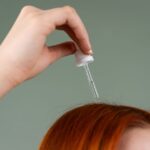
- Apply the lotion or cream rinse to the scalp and hair. Start at the scalp and work outward.
- Leave it on for 10 minutes. Do not leave it on longer than directed.
- Rinse with warm water over a sink. Do not use it in the shower or bath, because it can wash into other parts of the body.
- Comb out nits with a fine-tooth nit comb. This is not required for the medication to work, but it helps remove eggs that may survive.
- Repeat the treatment in 7 to 10 days to kill any lice that hatched after the first application.
Permethrin is not the only option for lice. Some lice populations have developed resistance to permethrin in certain areas. If treatment fails after two proper applications, your healthcare provider may recommend a different medication, such as spinosad or ivermectin lotion. Resistance is not universal, but it has been documented in the United States and other countries.
Do not use permethrin on children under 2 months old for lice. For scabies, the 5% cream may be used in infants under medical supervision. No clinical guidelines currently exist for using permethrin in pregnant women without a prescriber’s guidance, though it is often considered a preferred treatment during pregnancy because of its low absorption. Always confirm with your healthcare provider.




How To Treat Clothing and Household Items for Scabies and Lice
Scabies mites can survive off the human body for 24 to 72 hours, depending on temperature and humidity. They do not live long without a host, but they can crawl from clothing, bedding, or furniture to a person during that window. Lice are even less hardy off the scalp and typically die within 1 to 2 days without a blood meal.
The standard recommendation for scabies is to wash all clothing, bedding, and towels used by the affected person in hot water and dry them on a hot cycle. The water should be at least 122°F (50°C) if possible. If you cannot wash an item, seal it in a plastic bag for at least 72 hours. This is long enough for any mites or lice to die.
Items that cannot be washed or sealed — such as stuffed animals, pillows, or shoes — can be placed in a hot dryer for 30 minutes if the material allows. Dry cleaning also kills mites and lice.
You do not need to fumigate your home or treat furniture with insecticide sprays. Permethrin sprays for household use exist, but they are not necessary for scabies or lice control. Cleaning surfaces and vacuuming upholstered furniture is enough. The mites do not burrow into furniture or walls.
For lice, the same principles apply. Wash bedding and recently worn clothing. Soak combs and brushes in hot water (at least 130°F) for 5 to 10 minutes. Items that cannot be washed can be sealed in a bag for 2 weeks, though 72 hours is usually sufficient for lice as well.
What About Permethrin-Treated Clothing for Ticks and Mosquitoes?
Permethrin-treated clothing is a different product from the medications used for scabies and lice. These garments are factory-treated or can be treated at home with a permethrin spray designed for fabrics. They are intended to repel and kill ticks, mosquitoes, and other insects that carry disease.
This is not a treatment for scabies or lice. Do not use permethrin spray intended for clothing on your skin. Do not use the 5% scabies cream on clothing. The formulations are not interchangeable.
If you are using permethrin-treated clothing for tick or mosquito protection, follow the manufacturer’s instructions for washing and re-treatment. Factory-treated clothing typically retains protection for many washes, while home-treated clothing needs to be re-treated more often. The exact number of washes varies by product.
What Are the Risks and Side Effects?
Permethrin is generally well tolerated when used as directed. The most common side effects are mild and temporary. They include itching, redness, or a mild burning sensation at the application site. These usually go away on their own.
Serious allergic reactions are rare. Signs include severe rash, swelling, or difficulty breathing. If these occur, stop using the product and seek medical attention.
Do not swallow permethrin. It is for external use only. If someone accidentally swallows it, contact a poison control center immediately. Keep it out of reach of children.
Do not apply permethrin to broken skin, wounds, or near the eyes, mouth, or genitals unless directed by a healthcare provider. If it gets in your eyes, rinse with plenty of water.
Avoid using more than the recommended amount or leaving it on longer than directed. More is not better, and it can increase the risk of irritation.
Why Treatment Sometimes Fails
Treatment failure with permethrin is usually not because the drug does not work. It is often because of incorrect application, missed close contacts, or reinfestation from untreated items. For scabies, missing a spot — such as between the fingers, under the nails, or on the soles of the feet — can allow mites to survive. For lice, using conditioner before treatment or not repeating the application can leave surviving lice behind.
Lice resistance to permethrin is a real issue in some regions. If you have used permethrin correctly twice and still have live lice, talk to your healthcare provider about alternative treatments. Do not keep reapplying permethrin more often than directed.
For scabies, if symptoms persist beyond 4 weeks after treatment, or if new burrows appear, see a healthcare provider. You may need a different medication or a second course of treatment.
Frequently Asked Questions
How long should I leave permethrin on for scabies?
Leave the 5% permethrin cream on for 8 to 14 hours, then wash it off. Follow the exact duration your prescriber or pharmacist gives you.
Can I use permethrin for lice and scabies at the same time?
No, the products are different strengths and are applied differently. Use the 5% cream for scabies and the 1% lotion or cream rinse for lice.
Do I need to treat my whole house for scabies?
No. Wash clothing and bedding in hot water and dry on a hot cycle, or seal items in a plastic bag for at least 72 hours. Insecticide sprays for furniture are not necessary.
How long do scabies mites live on clothing?
Scabies mites typically survive 24 to 72 hours off the human body, depending on temperature and humidity. Sealing items in a bag for 72 hours is enough to kill them.
