
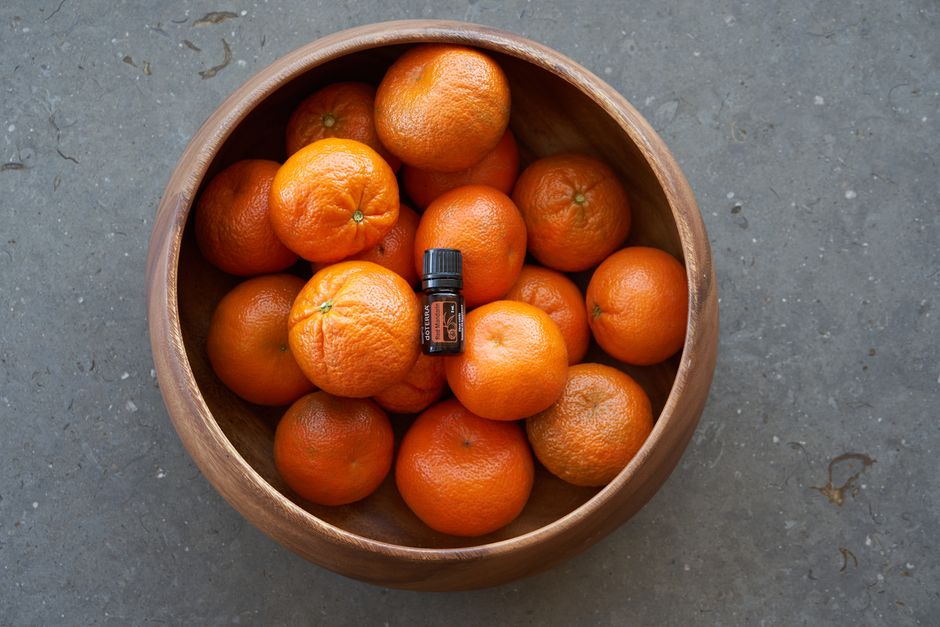
Orange peels can scent a room, a closet, or a stovetop pot using the oil that sits in the outer rind. You dry the peels, simmer them in water, steep them in vinegar or alcohol, or set them out fresh with spices. The scent comes from limonene, the main oil in citrus peel, which evaporates into the air and carries the orange smell with it. Fresh peels give the strongest scent for a short time. Dried peels last longer but smell milder.
Why Do Orange Peels Smell So Strong?
The outer colored part of the peel is packed with tiny oil glands. Those glands hold limonene and other citrus oils. When you bend or tear a peel, the glands break and release the oil into the air.
Limonene is a volatile compound, meaning it turns into gas easily at room temperature. That is why you can smell a fresh orange from across a room once the peel is broken. The white spongy layer underneath, called the pith, holds little oil and adds a bitter note if you use too much of it.
Heat speeds up the release. Warmth makes limonene evaporate faster, which is why simmering peels fills a house with scent far more than leaving them on a counter. The trade-off is that the oil is used up faster. A simmering pot smells strong for an hour or two, then fades.
One thing worth knowing: the scent you smell is not the same as the flavor compounds in the fruit. The juice is mostly water, sugar, and acid. The peel holds the aromatic oils. That is why chefs grate peel for zest but squeeze the fruit for juice.
How To Use Orange Peels For Scent Around the House
There are four main methods, and each suits a different job. Fresh peels work best for quick bursts of scent. Dried peels work for longer storage. Simmering works for whole-room scent. Infusions work when you want the smell to last on a surface or in a spray.
Simmering on the Stove
Put fresh peels in a small pot, cover with water, and bring to a gentle simmer. Add spices like cinnamon sticks, cloves, or star anise if you want a warmer scent. Keep the heat low and check the water level every so often. Never let the pot boil dry.
This is the most popular method because it scents a large area quickly. It also adds moisture to dry winter air, though it is not a substitute for a humidifier. Simmer for an hour or two, then turn it off. Long simmers do not make the scent stronger; they just use more energy.
Drying Peels for Later Use
Spread fresh peels in a single layer on a rack or tray and let them air-dry in a warm, dry spot. You can also dry them in a low oven. Once fully dry and brittle, store them in a sealed jar away from light.
Dried peels smell milder than fresh ones but keep for months. You can drop them into simmering water, tuck them into drawers, or grind them into a powder for sachets. Make sure they are completely dry before storing. Any moisture left inside can cause mold.
Closets, Drawers, and Small Spaces
Place fresh or dried peels in a small open dish or a breathable cloth bag. Put the bag in a closet, drawer, or shoe cabinet. Refresh the peels every few days as the scent fades.
Do not seal fresh peels in a closed container with clothing. The moisture can transfer to fabric and encourage mildew. Let peels dry first if the space is enclosed.
Making a Scent Spray
Soak peels in a clear spirit like vodka for a week or two, then strain. The alcohol pulls the oils out of the peel and holds them. Dilute the strained liquid with water and use it as a room spray.
Test any spray on a hidden patch of fabric first. Citrus oil can stain or weaken some materials, and alcohol can damage certain finishes. Keep sprays away from open flames. Alcohol-based sprays are flammable.
Can You Use Orange Peels as a Natural Air Freshener?
Yes, but with realistic expectations. Orange peels add a pleasant scent to a small area for a limited time. They do not clean the air or remove odors the way some marketing suggests.
This is where a lot of online claims go too far. You may read that citrus peels “purify” the air or “neutralize” odors. The evidence for those claims in a home setting is thin. What peels do is add a stronger smell that can mask a weaker one. Masking is not the same as removing.
If you have a real odor problem, like dampness or mold, a peel will not fix it. Find and address the source. A bowl of peels on a shelf is a nice touch, not a solution.
Some research has looked at citrus oils for their effect on airborne microbes in lab settings. That is not the same as proving a bowl of peels cleans the air in your kitchen. Lab results and real rooms are very different things.
What Are the Safety and Practical Limits?
Orange peels are generally low-risk for most people, but a few points matter. Limonene can irritate skin in some people, especially in concentrated forms. If you handle a lot of peel, wash your hands afterward. Do not rub citrus oil on skin and then go into the sun; citrus oils can make skin more sensitive to sunlight.
Keep peels and citrus oils away from pets. Cats and some dogs can be sensitive to citrus compounds, and concentrated oils are riskier than a fresh peel. The ASPCA lists citrus as a substance to avoid around pets. If your pet eats a peel, watch for vomiting or drooling and call your vet if symptoms appear.
Never leave a simmering pot unattended. Stovetop potpourri is a common cause of house fires when the water boils away. Set a timer and stay nearby.
If you make a spray with alcohol, keep it away from heat sources and never spray it near a flame. Store it in a labeled bottle out of reach of children.
People with citrus allergies should avoid peels. If you are unsure whether you react, test a small amount on your skin first.
Fresh, Dried, or Infused: Which Works Best?
Each form of peel suits a different use. The table below compares them on scent strength and how long they last.
| Form | Scent Strength | How Long It Lasts | Best Use |
|---|---|---|---|
| Fresh peel | Strong | A few days | Simmering, small spaces |
| Dried peel | Mild | Months in a sealed jar | Drawers, sachets, later simmering |
| Vinegar infusion | Moderate | Weeks to months | Cleaning sprays, surface scent |
| Alcohol infusion | Moderate to strong | Months | Room sprays |
Fresh peels give the biggest scent for the shortest time. Dried peels are weaker but store well. Infusions sit in between and give you a liquid you can apply to surfaces or spray into the air.
A vinegar infusion is a common choice because vinegar is cheap and easy to find. Soak peels in white vinegar for a week or two, then strain. The result smells of orange with a vinegar edge. Some people dilute it for cleaning. Note that vinegar is not a disinfectant at the strength most people use, so do not treat it as one.
How Do You Get the Most Scent From Orange Peels?
Use the colored part of the peel and leave out as much of the white pith as you can. The pith adds bitterness and holds little oil. Tear or cut the peel to expose more oil glands. Freshness matters more than technique; older peels have already lost much of their oil.
Warmth and air movement both help. A simmering pot or a peel near a warm vent will scent a room faster than a cold, still corner. Grinding dried peel into a powder releases more surface area and a stronger burst, though the scent fades quickly.
Store peels properly to keep the oil in. A sealed jar in a cool, dark spot protects the oils from light and heat. Do not store fresh peels in a sealed bag for long; they can mold.
One easy habit: when you peel an orange for eating, drop the peel straight into a small pot of water on the stove. That single step uses the peel while the oil is still fresh, which is when it smells best.
Frequently Asked Questions
How long do orange peels keep their smell?
Fresh peels give off strong scent for a few days before fading. Dried peels stored in a sealed jar can keep a mild scent for months.
Can I put orange peels in my closet?
Yes, dried peels in a breathable bag work well in a closet. Avoid sealing fresh, damp peels against clothing because the moisture can cause mildew.
Are orange peels safe around pets?
Citrus is listed as a substance to avoid around pets, and concentrated oils are riskier than a fresh peel. Keep peels out of reach and call your vet if a pet eats one and shows symptoms.
Do orange peels really clean the air?
No strong evidence shows that peels clean or purify air in a home. They add a pleasant scent that can mask other odors, which is not the same as removing them.
