
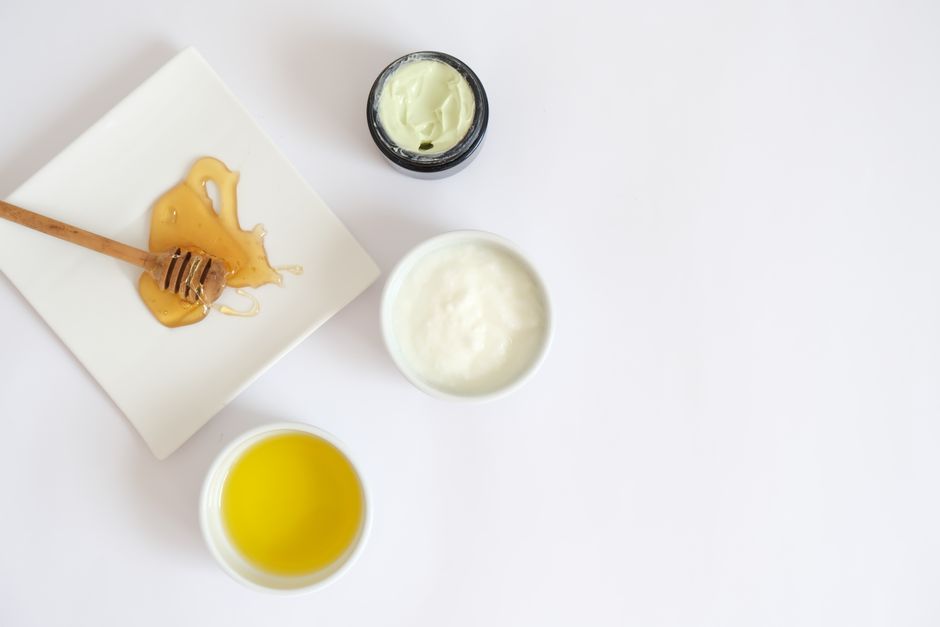
Manuka honey is a dark, thick honey produced in New Zealand by bees that feed on the flowers of the manuka bush. People use it for sore throats by swallowing a small spoonful slowly, or by stirring it into warm — not boiling — water or tea. The idea is simple: honey coats the throat, and manuka honey contains a natural antibacterial compound called methylglyoxal (MGO) that ordinary honey has in much smaller amounts. What that compound actually does for a sore throat in a living human is where the honest story gets more complicated.
What Makes Manuka Honey Different From Regular Honey?
All honey is roughly 80 percent sugar and 17 to 18 percent water, with the rest made up of small amounts of enzymes, acids, and plant compounds. That sugar-heavy, low-water environment is why honey resists spoiling. It also explains part of why honey soothes a raw throat — it is thick and syrupy, so it coats irritated tissue on the way down.
Manuka honey carries an extra compound called methylglyoxal. MGO forms naturally in the nectar of manuka flowers and stays in the finished honey. Standard table honey contains MGO too, but usually at low levels. Manuka honey can contain many times more.
MGO is the source of the term “non-peroxide antibacterial activity,” which you will see on labels as a UMF or MGO number. A higher number means more MGO. This antibacterial activity is well documented in laboratory studies, where manuka honey has been shown to inhibit the growth of various bacteria on a petri dish. That is a real finding.
What matters for a sore throat is whether that same activity happens inside your body. That question is much less settled. When you swallow honey, it mixes with saliva, gets diluted, and passes into a stomach full of acid. The clean lab conditions that make manuka honey look impressive do not exist in your throat.
Does Manuka Honey Actually Help a Sore Throat?
Honey of any kind can ease the pain of a sore throat, and that effect is fairly well supported. Honey is a demulcent — a substance that forms a soothing film over irritated mucous membranes. It also tastes sweet, and sweetness itself can trigger a mild calming response that reduces the urge to cough.
The strongest evidence for honey and sore throats comes from studies on cough, especially in children over age one. Some research suggests honey can reduce nighttime coughing and improve sleep compared with no treatment. Several clinical guidelines list honey as a reasonable option for cough in children older than one year.
Manuka honey specifically has far less human research behind it for sore throat. Most of the enthusiasm comes from lab studies and from its use in wound care, where manuka honey has been applied to burns and ulcers. A dressing sitting on a wound for days is a very different situation from a spoonful of honey sliding down your throat in seconds.
So the accurate position is this: honey can soothe a sore throat, and manuka honey is a type of honey, so it can soothe one too. Whether the extra MGO adds anything meaningful on top of that is not established. No well-designed human trial has confirmed that manuka honey relieves sore throats better than regular honey.
How To Use Manuka Honey For Sore Throat Relief
The practical method is straightforward, and it does not require special equipment.
- Take about one teaspoon of manuka honey and let it dissolve slowly in your mouth rather than swallowing it in one gulp. Slow contact with the throat is the whole point.
- You can stir it into a cup of warm water, warm tea, or warm lemon water. Keep the liquid warm, not boiling. Very hot water can degrade some of the natural compounds in honey.
- Repeat as needed through the day. There is no established clinical dose for manuka honey and sore throats, so any specific number you see online is not backed by guidelines.
- Do not give honey of any kind to a child under one year old. This is a firm safety rule, not a preference.
- Check the label for an MGO or UMF rating if you want the antibacterial compound. Higher numbers cost more.
Be skeptical of the idea that a higher MGO number means better sore throat relief. That claim is not supported by human evidence. You are mostly paying for a soothing spoonful of honey with a premium price tag.





What Do the MGO and UMF Numbers Mean?
Manuka honey labels carry ratings, and they confuse a lot of people. Here is how they relate.
| Label Term | What It Measures |
|---|---|
| MGO | The concentration of methylglyoxal in the honey, in milligrams per kilogram |
| UMF | A trademarked rating tied to the level of antibacterial activity, which closely tracks MGO |
| KFactor | Another grading system used by some producers |
A higher number means more MGO. That is a measurable fact about the jar. It is not a promise about what happens in your throat. The rating tells you the honey’s antibacterial strength in a lab dish, not its effect on a human sore throat.
One more thing worth knowing: raw, unpasteurized manuka honey is often sold as superior. Pasteurization can reduce some natural compounds, but the evidence that raw honey works better for a sore throat is thin. Both will coat your throat.
Is Manuka Honey Safe for Everyone?
Honey is generally safe for most adults and children over one year old. The main exception is infants. Honey can contain spores of Clostridium botulinum, the bacteria behind infant botulism. A baby’s digestive system is not mature enough to handle those spores, which is why health authorities advise against honey for any child under twelve months.
People with diabetes should account for honey’s sugar content. Honey is still sugar, and it can raise blood sugar. It is not a low-calorie or sugar-free remedy.
Anyone with a pollen or bee product allergy should be cautious, since honey can contain trace amounts of pollen and bee proteins. If you have had a reaction to bee products before, talk to a clinician before trying manuka honey.
Manuka honey is not a treatment for a bacterial throat infection like strep throat. If a sore throat comes with a high fever, swollen tonsils with white patches, difficulty swallowing, or lasts more than a week, that needs medical attention, not a spoonful of honey.
When Honey Is Not Enough
A sore throat is usually caused by a viral infection, which means it runs its course and honey is mainly there to make you more comfortable. Most viral sore throats ease within a few days to about a week.
Some sore throats need more than home care. Strep throat is a bacterial infection that requires antibiotics, and it will not clear up on its own. Signs that point toward something more serious include a fever above 101°F, a sore throat that keeps getting worse, a rash, or trouble breathing or swallowing.
Honey can sit alongside other comfort measures. Warm saltwater gargles, drinking fluids, and using a humidifier are all reasonable. Over-the-counter pain relievers like acetaminophen or ibuprofen can ease the pain, following the label directions.
The bottom line is that manuka honey is a pleasant, generally safe way to soothe a sore throat. It is not a proven cure, and it is not clearly better than the honey already in your kitchen. If you enjoy it and it helps you feel better, that is a fair reason to use it. Just do not expect the MGO number to do work that the evidence does not support.
Frequently Asked Questions
How much manuka honey should I take for a sore throat?
There is no established clinical dose for manuka honey and sore throats. A common approach is about one teaspoon taken slowly, repeated as needed, but this is a comfort measure rather than a guideline-backed dose.
Is manuka honey better than regular honey for a sore throat?
No human trial has confirmed that manuka honey relieves sore throats better than regular honey. Manuka honey contains more of an antibacterial compound called MGO, but that advantage has been shown mainly in lab studies, not in people with sore throats.
Can I put manuka honey in hot tea?
Yes, but keep the tea warm rather than boiling, since very hot water can degrade some natural compounds in honey. Let the tea cool for a few minutes before stirring it in.
Can children use manuka honey for a sore throat?
Children over one year old can have honey, including manuka honey. Honey of any kind should never be given to a child under twelve months because of the risk of infant botulism.
