
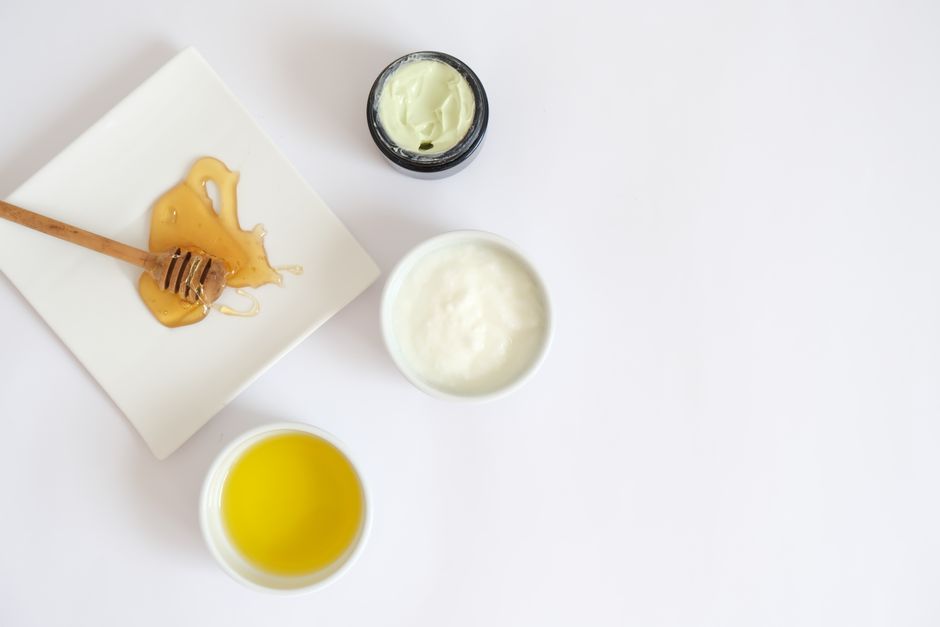
Manuka honey is a type of honey produced by bees that feed on the flowers of the Leptospermum scoparium bush, native to New Zealand and parts of Australia. It has become a popular home remedy for skin wounds and infections, largely because of a compound called methylglyoxal (MGO) that gives it stronger antibacterial activity than ordinary honey. The key facts: manuka honey is used clinically in some wound-care products, but it is not a proven standalone treatment for skin infections, and any spreading or deep infection needs medical care, not a pantry product.
What Makes Manuka Honey Different From Regular Honey?
All honey has some antibacterial activity. That comes mostly from its low water content, its acidity, and an enzyme that produces small amounts of hydrogen peroxide. Manuka honey adds something else on top of this.
The distinguishing compound is methylglyoxal, or MGO. Manuka nectar contains a precursor that converts to MGO inside the honey. MGO is a strong antibacterial agent, and it stays active even when the honey is diluted or when the peroxide activity is broken down by light and body fluids. That stability is the main reason researchers and wound-care companies pay attention to manuka honey specifically.
Not all manuka honey is the same. The amount of MGO varies widely between batches. In New Zealand, products are often labeled with a UMF (Unique Manuka Factor) rating or an MGO number, which indicates the concentration of methylglyoxal. A higher number means more MGO. This labeling matters because a jar with a low rating may behave much like ordinary honey.
How To Use Manuka Honey For Skin Infections: What the Evidence Shows
Manuka honey has a real place in wound care, but that place is narrower than the internet suggests. It is best supported as a topical dressing for certain wounds, not as a general treatment you apply to any skin infection at home.
Medical-grade manuka honey is used in some wound-care products, including dressings and gels, for wounds such as burns, ulcers, and surgical or chronic wounds. Some clinicians use it to help clean a wound and create a moist environment that supports healing. Research on honey for wounds, including manuka honey, has generally been small in scale and mixed in quality. The evidence does not show it works better than standard wound care across the board.
For common skin infections — like a small infected cut, impetigo, or a minor boil — there is no strong evidence that manuka honey clears the infection on its own. Some studies suggest honey may help with minor superficial wounds, but results vary. It is not a substitute for antibiotics when an infection is spreading, deep, or accompanied by fever.
Two things are important to separate:
- Medical-grade, sterilized honey used in clinical wound care, which is regulated and tested.
- Jarred honey from a store, which is a food product and is not sterile.
These are not interchangeable. Store-bought honey can contain bacterial spores and other contaminants. For an open wound, especially in someone with a weakened immune system, that difference matters.
Can You Apply Manuka Honey to a Skin Infection at Home?
People do apply manuka honey to minor cuts and small wounds at home, and it is generally low-risk for healthy adults with a small, clean wound. But there are real cautions, and this is not a replacement for proper wound care or medical advice.
If you are considering it for a minor wound, the safer approach is to clean the wound first with water, then apply a thin layer of honey and cover it with a clean dressing. Change the dressing regularly. Do not use it on a wound that is deep, dirty, or bleeding heavily.
Do not apply honey to these situations:
- Infants under 12 months — honey is not safe for them in any form, including on skin near the mouth where it could be ingested. Infant botulism is a serious risk.
- Deep, puncture, or surgical wounds without medical guidance.
- Wounds with spreading redness, swelling, pus, or fever — these need medical care.
- People with weakened immune systems, unless a clinician advises it.
- Anyone with a known honey or bee-product allergy.
If a wound is not clearly improving within a day or two, or if it is getting worse, see a clinician. Do not wait to see whether honey works.
When Should You See a Doctor Instead?
Skin infections can range from trivial to dangerous, and the difference is not always obvious at home. Some infections spread quickly and can become serious within hours to days.
Get medical care promptly if you notice:
- Redness that is spreading or expanding
- Warmth, swelling, or pain that is getting worse
- Pus, foul smell, or a wound that will not heal
- Fever, chills, or feeling generally unwell
- Red streaks moving away from the wound
- Any skin infection in a person with diabetes, poor circulation, or a weakened immune system
Certain infections, including some caused by drug-resistant bacteria, need prescription antibiotics. No honey product treats those on its own. Delaying proper treatment for a spreading infection is the biggest risk here, and it is avoidable.
Does Manuka Honey Really Kill Bacteria?
In the laboratory, manuka honey does kill or inhibit many types of bacteria, including some that are resistant to antibiotics. That part is well established. What matters clinically is whether that lab activity translates into reliable healing in real infections — and there the picture is more limited.
Lab results are not the same as proven treatment. A substance can kill bacteria in a dish and still fail to clear an infection in a person, for reasons like poor penetration into tissue, dilution by body fluids, or the immune system doing most of the work. This is why researchers treat lab findings as a starting point, not proof of effectiveness.
Some research suggests manuka honey may help disrupt bacterial communities called biofilms, which can make chronic wounds hard to heal. That is an active area of study, not a settled treatment. It is a promising lead, not a guarantee.
What About Manuka Honey for Acne or Other Skin Conditions?
Manuka honey is sometimes marketed for acne, eczema, and other skin conditions. The evidence for these uses is thin. Most of what exists is small studies, lab work, or anecdotal reports, not large human trials.
For acne, honey’s antibacterial and anti-inflammatory properties are often cited, but no strong clinical evidence confirms it clears acne better than established treatments. For eczema, honey may feel soothing, but it is not a standard treatment, and some people react to it. If you have a skin condition that is persistent or bothersome, a dermatologist can offer treatments with much stronger evidence behind them.
Practical Points to Keep in Mind
A few facts are worth holding onto before you reach for a jar of manuka honey.
Look for a clear MGO or UMF rating if you are buying it for wound care, since potency varies so much. Understand that a food-grade product is not the same as a medical-grade wound dressing. And keep expectations realistic: manuka honey may support healing in some minor wounds, but it is not a cure for skin infections, and it should never delay proper medical care.
For most minor skin problems, good basic care — cleaning, protecting the area, and watching for signs of worsening — does most of the work. Manuka honey can be a reasonable addition in some situations, but it is not a replacement for the fundamentals.
Frequently Asked Questions
Can manuka honey cure a skin infection?
No. Manuka honey has antibacterial activity and is used in some clinical wound-care products, but it is not a proven cure for skin infections. Spreading, deep, or fever-associated infections need medical treatment, often antibiotics.
Can I put store-bought manuka honey on a wound?
It is not recommended for open wounds because store-bought honey is a food product and is not sterile. Medical-grade, sterilized honey is the form used in clinical wound care.
Is manuka honey safe for babies or young children?
Honey should not be given to infants under 12 months because of the risk of infant botulism. Avoid applying it near a baby’s mouth or anywhere it could be ingested.
How long does manuka honey take to work on a wound?
There is no established timeline, and response varies. If a wound is not clearly improving within a day or two, or is getting worse, see a clinician rather than waiting.
