
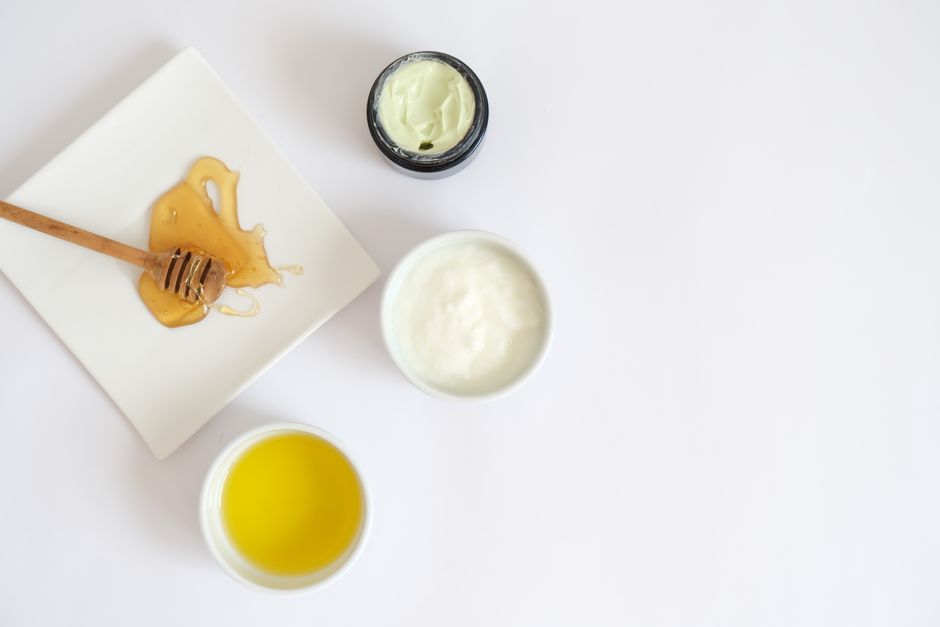
Manuka honey is a thick, dark honey from New Zealand and Australia that has natural humectant and antibacterial properties. When applied to hair, it draws moisture into the hair shaft and helps smooth the cuticle, which can leave strands feeling softer and looking shinier. The most effective way to use it is as a weekly hair mask, mixed with a carrier oil or conditioner, applied from mid-length to ends, and left on for 20 to 30 minutes before rinsing thoroughly.
Why Manuka Honey Works for Hair
Honey is a humectant. That means it pulls moisture from the air and holds it against whatever it touches. When that is your hair, the water is drawn into the hair shaft, which plumps the strand and reduces frizz at the surface.
Manuka honey is different from regular honey because it contains higher levels of methylglyoxal, a compound linked to its antibacterial activity. Most of the research on this compound focuses on wound healing and skin infections, not hair. But the basic physics of honey as a moisturizer apply the same way.
Shininess in hair comes from a smooth, flat cuticle. When the cuticle lies flat, light reflects evenly off the strand. Moisture helps the cuticle stay flexible and lie flat. Dry, damaged hair has a lifted cuticle, which scatters light and looks dull.
How To Use Manuka Honey For Hair Thats Soft And Shiny
Start with raw Manuka honey, not the pasteurized kind found in most grocery stores. Pasteurization heats the honey, which can reduce some of its beneficial compounds. Look for a UMF rating of 10 or higher if you want the signature Manuka properties, but for basic moisture, any raw honey will behave similarly.
The simplest method is a two-ingredient mask. Mix one tablespoon of Manuka honey with two tablespoons of warm water. Warm water, not hot, because high heat can destroy some of the beneficial enzymes in honey. Stir until the honey fully dissolves.
Apply this mixture to damp, freshly washed hair. Focus on the mid-lengths and ends, which are the oldest and most damaged parts of the strand. Avoid the scalp unless you are specifically treating dandruff or scalp dryness.
Leave it on for 20 to 30 minutes. Cover your hair with a shower cap or towel to keep the mask from dripping. Rinse with warm water, then follow with your normal conditioner.
For very dry or damaged hair, add one tablespoon of coconut oil, olive oil, or argan oil to the honey mixture. The oil adds an emollient layer that seals the moisture in. For fine hair, skip the oil and use the honey alone or mixed with a lightweight conditioner.
Best Manuka Honey Hair Mask Recipes
There is no single recipe that works for everyone. Hair type, damage level, and scalp sensitivity all change what your hair needs. These three options cover the most common situations.
Basic Moisture Mask for Normal Hair
- 1 tablespoon Manuka honey
- 2 tablespoons warm water
- Optional: a few drops of your regular conditioner to help the mask spread evenly
Mix and apply to damp hair. Leave for 20 minutes. Rinse thoroughly. Use once a week.
Deep Repair Mask for Dry or Damaged Hair
- 1 tablespoon Manuka honey
- 1 tablespoon coconut oil or olive oil
- 1 egg yolk (optional, for added protein)
The oil adds fatty acids that help smooth the cuticle. The egg yolk contains proteins and fats that can temporarily fill gaps in damaged strands. Rinse with cool water if you use egg, because hot water can cook it into the hair. Use once a week or every other week.
Scalp Soothing Mask for Dry, Flaky Scalp
- 1 tablespoon Manuka honey
- 2 tablespoons plain yogurt or aloe vera gel
The honey is antibacterial and the yogurt or aloe adds soothing moisture. Massage gently into the scalp and leave for 15 to 20 minutes. Rinse well. Some research suggests honey may help with seborrheic dermatitis, but the evidence is limited and you should see a dermatologist if you have persistent scalp flaking.
How Often Should You Use a Manuka Honey Hair Mask
Once a week is the safe starting point for most people. Honey is a humectant, which means it pulls water in. But in a very dry environment, a humectant can actually pull moisture out of the hair and into the air. That is why honey masks work best on damp hair and should always be followed by a conditioner or a light oil to seal the moisture in.
People with very dry, curly, or chemically processed hair may benefit from twice a week. People with fine or oily hair should start with once every two weeks. If your hair feels stiff or straw-like after a honey mask, you are using it too often or not rinsing thoroughly enough.
There is no clinical evidence establishing a specific frequency for honey hair treatments. These recommendations are based on how humectants behave and common practice among cosmetic chemists and hair care professionals.
What the Research Actually Says About Honey and Hair
Most of the published research on honey focuses on wound healing, burns, and skin conditions. The evidence for honey as a hair treatment is largely anecdotal and based on the physical properties of honey rather than clinical trials on hair growth or shine.
One area with genuine research support is honey for seborrheic dermatitis, a condition that causes flaky, itchy scalp. Some studies have found that diluted honey applied to the scalp reduced flaking and itching. But these studies were small and not widely replicated. If you have scalp flaking that does not improve with basic care, see a dermatologist rather than relying on honey alone.
There is no solid evidence that honey stimulates hair growth. Some people claim it does, but no well-designed human trial has confirmed this. Honey can improve the appearance of existing hair by adding moisture and smoothness, but it will not regrow hair or change your hairline.
Manuka honey specifically has no unique proven advantage over regular honey for hair. The methylglyoxal content that makes Manuka special for antibacterial use has not been shown to matter for hair conditioning. For basic softness and shine, a cheaper raw honey will do the same job.
Risks and Precautions
Honey is generally safe to apply to hair and skin, but there are a few things to know.
If you are allergic to bees or bee products, you may react to topical honey. Stop using it if you notice redness, itching, or swelling.
Honey is sticky and can be difficult to rinse out completely. Leftover residue can make hair look greasy or attract dirt. Rinse with warm water for longer than you think you need to, and follow with conditioner.
Do not use honey on broken or irritated skin on your scalp. The sugars can feed bacteria in an open wound.
Do not leave honey on your hair overnight. The standard 20 to 30 minutes is enough. Longer exposure does not add benefit and increases the chance of a sticky mess or skin irritation.
Honey is food. Keep it away from your eyes and do not ingest it in large amounts as a health treatment. It is high in sugar and calories.
Manuka Honey vs. Regular Honey for Hair
| Property | Manuka Honey | Regular Raw Honey |
|---|---|---|
| Humectant moisture draw | Yes | Yes |
| Antibacterial activity | Higher, due to methylglyoxal | Present, but lower |
| Cost | Significantly higher | Inexpensive |
| Proven benefit for hair softness | No unique advantage over regular honey | Same moisture benefit |
| Best use case | Scalp conditions or if you want the antibacterial properties | Everyday moisture masks |
If you already own Manuka honey, use it for your hair. It works fine. But if you are buying honey specifically for hair, regular raw honey gives you the same moisture benefit at a fraction of the cost.
Tips for Getting the Best Results
Apply the mask to damp hair, not soaking wet hair. Damp hair absorbs the honey mixture better. Soaking wet hair dilutes the mask and makes it run off.
Detangle your hair before applying the mask. Tangled hair traps the honey unevenly and makes rinsing harder.
Use a wide-tooth comb to distribute the mask from mid-length to ends. This ensures even coverage without piling the mask on one section.
Shower caps are worth using. They trap body heat, which helps the honey penetrate the hair shaft slightly better. A warm towel wrapped around the cap works too.
Rinse with cool water at the end. Cool water helps close the cuticle, which locks in moisture and adds shine. This is the same principle behind cold water rinses after regular conditioning.
Be consistent. One mask will give you a temporary boost. Weekly use over a month will produce more noticeable, longer-lasting softness and shine.
Frequently Asked Questions
Can I leave Manuka honey in my hair overnight?
No. Leaving honey on your hair overnight does not add benefit and increases the risk of a sticky mess and skin irritation. Twenty to thirty minutes is the recommended time.
Does Manuka honey help hair grow?
No clinical evidence confirms that honey stimulates hair growth. It improves the appearance of existing hair by adding moisture and smoothness, but it will not regrow hair.
Is Manuka honey better than regular honey for hair?
No. For softness and shine, regular raw honey works the same as Manuka honey. Manuka has stronger antibacterial properties, but that has not been shown to matter for hair conditioning.
Can I use Manuka honey on my scalp?
Yes, if your scalp is healthy and you are targeting dryness or flaking. Avoid it on broken or irritated skin, and rinse thoroughly to prevent residue buildup.
