
Licorice powder comes from the root of the licorice plant, and people have used it for thousands of years as both a sweetener and a medicine. Today it shows up in teas, capsules, creams, and loose powder. But the same compound that gives licorice its distinctive sweet taste can also raise blood pressure and drop potassium levels when you take too much. So how you use it matters as much as whether you use it at all.
What Is Licorice Powder And What Is Actually In It?
Licorice powder is made by drying and grinding the root of Glycyrrhiza glabra or related species. The root contains hundreds of compounds, but one drives most of the health effects and most of the risks: glycyrrhizin, also called glycyrrhizic acid.
Glycyrrhizin is roughly 30 to 50 times sweeter than sucrose. That is why licorice shows up in candy, tobacco products, and some beverages. It is also the compound responsible for the mineral changes that can cause real harm.
There is a common mix-up worth clearing up. “Licorice root” and “deglycyrrhizinated licorice,” often shortened to DGL, are not the same product. DGL has had most of the glycyrrhizin removed. That changes both the safety profile and, in all likelihood, some of the effects. If a label does not say DGL, assume the glycyrrhizin is still there.
Whole licorice root also contains flavonoids and other plant compounds that researchers have studied for various effects. How much these contribute to any real-world benefit is not well established.
How To Use Licorice Powder For Skin
Licorice root extracts appear in many skincare products, usually as a brightening ingredient. The interest comes mainly from a compound called glabridin, which has shown effects on melanin production in laboratory and some small human studies.
Melanin is the pigment that gives skin its color. An enzyme called tyrosinase is central to making it. Some research suggests certain licorice compounds can interfere with tyrosinase activity. Whether that translates into visible lightening of dark spots in real use is less clear. Studies on this exist but tend to be small, and formulations vary widely.
If you want to try licorice powder on your skin, a few practical points:
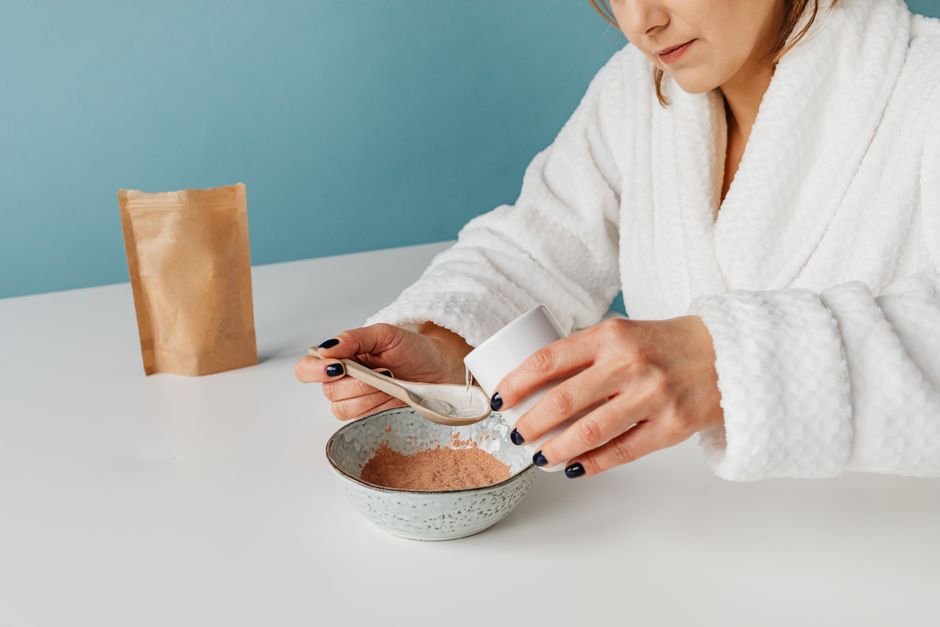
- Patch test first. Mix a small amount with water or a carrier oil and apply to a small area of your inner arm. Wait 24 hours before using it on your face.
- Do not apply it to broken skin or open wounds.
- Keep it away from your eyes.
- Mix with water, yogurt, honey, or a plain carrier oil to make a paste. There is no standard ratio — cosmetic use of licorice is not governed by clinical dosing guidelines.
One honest caveat: no clinical guidelines exist for using loose licorice powder as a topical treatment. Most evidence comes from studies of specific extracts in finished products, not from DIY powder. The two are not interchangeable.
Licorice is generally not a first-line treatment for any skin condition. If you have persistent dark spots, acne, or a rash that is not improving, that is a conversation for a dermatologist, not a pantry experiment.
How To Use Licorice Powder For Digestion
This is where the evidence gets more interesting, and also more complicated. Licorice root has a long history of use for stomach complaints, and there is real research behind some of it — mostly on DGL, not whole powder.
DGL has been studied for several digestive conditions, including:
- Heartburn and acid reflux
- Gastric and duodenal ulcers
- Gastritis, or inflammation of the stomach lining
Some studies suggest DGL may help protect the stomach lining and reduce symptoms. The results are not uniform, and study quality varies. It is not a replacement for treating an H. pylori infection, which requires antibiotics, or for managing serious reflux disease.
Whole licorice powder is a different matter. Taking it for digestion means taking glycyrrhizin along with it, and that is where the risks live. If you want to try licorice for digestive symptoms, DGL is the form most clinicians would point to, precisely because it avoids the mineral side effects.
No standard dose for loose licorice powder exists for digestive complaints. DGL products typically carry their own labeling, and those instructions vary by manufacturer. Follow the product label, and if you are on any medication or have a heart or kidney condition, talk to a clinician first.




What Does Licorice Do To Blood Pressure And Potassium?
This is the single most important thing to understand about licorice, and it is well established.
Glycyrrhizin causes the body to retain sodium and lose potassium. It does this by inhibiting an enzyme called 11-beta-hydroxysteroid dehydrogenase type 2. That enzyme normally protects you from your own cortisol by converting it to an inactive form. When licorice blocks the enzyme, cortisol builds up in the kidneys and acts like a salt-retaining hormone.
The result, with enough licorice over enough time, can be:
- Higher blood pressure
- Lower blood potassium, which can cause muscle weakness, cramps, and in serious cases heart rhythm problems
- Swelling in the legs and ankles
- Fatigue and headaches
These effects are not theoretical. Documented cases of licorice-induced high blood pressure and low potassium exist in the medical literature, sometimes from eating large amounts of real licorice candy over weeks or months. The FDA has issued warnings about this.
Some people are more vulnerable than others. Those with existing high blood pressure, heart disease, kidney disease, or low potassium are at higher risk. So are people taking diuretics, blood pressure medications, or corticosteroids. Older adults tend to be more sensitive as well.
Whole licorice powder is not something to use daily in large amounts over long periods without medical supervision. DGL does not carry these same mineral effects, which is the main reason it exists as a separate product.
How Much Licorice Is Too Much?
There is no single safe threshold that applies to everyone, but there are useful reference points.
The World Health Organization has suggested that a daily glycyrrhizin intake of up to 100 mg is unlikely to cause adverse effects in most adults. To put that in perspective, many licorice candies can contain well over that amount in a modest serving, and licorice root powder itself varies widely in glycyrrhizin content depending on the plant, the soil, and how it was processed.
Because loose powder is not standardized, you generally cannot know how much glycyrrhizin you are getting from a given scoop. That uncertainty is a real problem if you plan to use it regularly.
A few practical guardrails:
- Do not use whole licorice powder daily for extended periods.
- If you have high blood pressure, heart disease, kidney disease, or take diuretics or blood pressure medication, avoid whole licorice unless a clinician approves it.
- Stop and seek medical advice if you notice swelling, unusual muscle weakness, or a rise in your blood pressure readings.
- Do not use whole licorice during pregnancy. It has been linked to preterm birth in some studies, and the evidence is serious enough that avoiding it is the sensible call.
For breastfeeding, children, and infants, no clinical guidelines exist for licorice dosing. Do not guess.
Licorice Powder vs. DGL: Which Form Should You Choose?
The answer depends entirely on what you are trying to do, and how much you care about the blood pressure and potassium effects.
| Feature | Whole Licorice Powder | DGL (Deglycyrrhizinated) |
|---|---|---|
| Glycyrrhizin content | Present, often high | Mostly removed |
| Blood pressure risk | Real, documented | Low — the mechanism is removed |
| Potassium loss | Possible with regular use | Not expected |
| Sweetness | Very sweet | Much less sweet |
| Digestive research | Limited | More studied |
| Skin use | Common in DIY recipes | Uncommon |
For digestive support, DGL is the form with the better safety profile and the more relevant research. For skin, the evidence is thin either way, and finished products with standardized extracts have more study behind them than loose powder does.
If you are using licorice for its sweet flavor in small amounts, whole root is fine for most healthy adults. If you are using it as a daily supplement, DGL removes the biggest risk.
What Are The Drug Interactions To Watch For?
Whole licorice interacts with several classes of medication, and these are well documented.
- Diuretics — licorice can worsen potassium loss.
- Blood pressure medications — licorice can work against them by raising blood pressure.
- Corticosteroids — combined effects on cortisol and potassium.
- Digoxin — low potassium increases the risk of digoxin toxicity.
- Warfarin and other blood thinners — licorice may affect how these work.
This list is not exhaustive. If you take any prescription medication, check with a pharmacist before adding licorice in any form. Pharmacists are often the fastest and most reliable source for interaction questions.
Frequently Asked Questions
Can I use licorice powder on my face every day?
There is no clinical guidance for daily topical use of loose licorice powder, so a cautious approach is patch testing first and using it a few times a week rather than daily. Finished skincare products with standardized licorice extracts have more research behind them than DIY powder.
Does licorice powder raise blood pressure?
Yes, whole licorice powder can raise blood pressure because of a compound called glycyrrhizin, and this effect is well documented. DGL, which has most of the glycyrrhizin removed, does not carry the same risk.
Is licorice powder safe for digestion?
DGL is the form with the most research for digestive symptoms like heartburn and stomach irritation, and it avoids the blood pressure risk. Whole licorice powder is not well studied for digestion and carries the glycyrrhizin-related risks.
How much licorice powder is safe per day?
The World Health Organization has suggested that up to 100 mg of glycyrrhizin daily is unlikely to cause harm in most adults, but loose powder is not standardized, so you cannot reliably know your intake. Avoid daily long-term use of whole licorice without medical guidance.
