
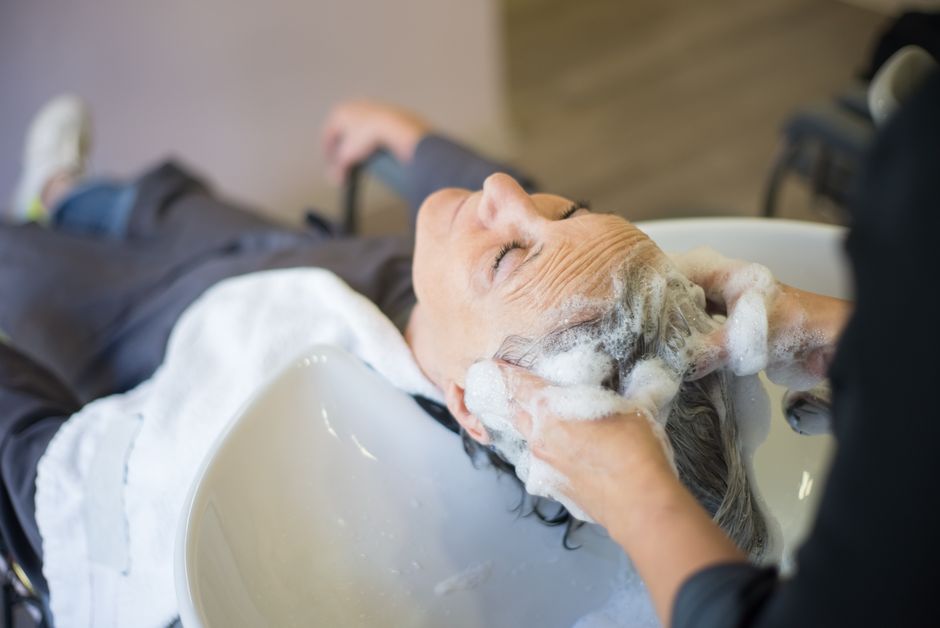
Ketoconazole shampoo works best when it stays in contact with your scalp long enough to do its job. Wet your hair, work the shampoo into the scalp, leave it on for the time your product label or doctor specifies (often 3 to 5 minutes), then rinse thoroughly. Use it on the schedule recommended for your condition, and be consistent — skipping doses is the most common reason people don’t get the results they expect.
What Does Ketoconazole Shampoo Actually Do?
Ketoconazole is an antifungal medicine. It works against Malassezia, a yeast that naturally lives on human skin, including the scalp. In most people this yeast causes no trouble. In some, an overgrowth or an immune reaction to it contributes to dandruff, seborrheic dermatitis, and a form of scalp inflammation called tinea versicolor when it affects the skin.
This is an important point that gets lost in marketing. Dandruff is not simply “dry scalp” or a hygiene problem. For many people it involves this yeast and the skin’s response to it. That is why an antifungal can help when a cosmetic moisturizing shampoo does not.
The medicine comes in different strengths. In the US, ketoconazole 1% shampoo is available over the counter. A 2% strength is available by prescription. The two are not identical, and the right choice depends on your situation and what a clinician recommends.
How To Use Ketoconazole Shampoo For Best Results
Contact time is the single biggest factor most people get wrong. The medicine needs to sit on the scalp, not just pass through it. Rinsing too quickly is a common reason for disappointing results.
A practical routine looks like this:
- Wet your hair and scalp thoroughly with warm water.
- Apply enough shampoo to cover the scalp, not just the hair.
- Massage it into the scalp with your fingertips. Focus on the skin, not the strands.
- Leave it in place for the time stated on the label or by your clinician. Many products direct 3 to 5 minutes.
- Rinse completely. Repeat if your instructions call for a second application.
Follow the frequency your product label or doctor gives you. Treatment schedules differ between dandruff, seborrheic dermatitis, and other conditions, so there is no single universal schedule that fits everyone. Using it more often than directed does not speed things up and can irritate the scalp.
One clarification worth knowing: this is a treatment, not a permanent fix. Malassezia is part of normal skin flora and returns. Many people need occasional maintenance use to keep symptoms controlled even after things clear up.
How Long Does It Take to Work?
Some people notice less flaking and itching within the first week or two. Full improvement often takes longer, and the timeline varies with the condition being treated and how severe it is.
If you have used it correctly for several weeks with no improvement, that is worth mentioning to a clinician. It may mean the diagnosis is different, the strength is too low, or something else is going on. Persistent scalp problems can have causes other than yeast, including psoriasis, contact reactions to hair products, or other skin conditions that look similar.
Should You Use It on Wet or Dry Hair?
Wet hair and scalp. Water helps spread the product evenly across the skin so the medicine reaches more of the surface. Applying it to a dry scalp tends to leave uneven coverage and wastes product.
Warm water is fine. Very hot water can irritate an already inflamed scalp, so keep it comfortable rather than scalding.
Can You Use It With Other Hair Products?
Yes, but timing matters. On days you use ketoconazole shampoo, let it do its job first. Applying conditioner or styling products before the medicated shampoo can create a barrier that keeps the medicine from reaching the scalp.
A reasonable approach is to use your regular conditioner after rinsing out the ketoconazole shampoo, focusing it on the hair ends rather than the scalp. This reduces the chance of the treatment leaving hair feeling dry, which some people notice with medicated shampoos.
If you use other scalp treatments, ask a clinician or pharmacist about combining them. Stacking multiple active products without guidance can irritate the skin.
What Are the Side Effects and Cautions?
Ketoconazole shampoo is generally well tolerated when used as directed. The most common issues are local and mild: scalp itching, dryness, irritation, or a temporary change in how hair feels. These usually settle or improve with adjusted use.
Stop using it and speak to a clinician if you develop significant irritation, a rash that spreads, or swelling. These are not typical reactions and deserve attention.
A few practical cautions:
- Keep it out of your eyes. Rinse with water if it gets in.
- Do not use it on broken or badly irritated skin unless a clinician tells you to.
- Follow label or clinician guidance for children. Dosing and suitability differ by age, and you should not assume an adult routine applies.
- If you are pregnant or breastfeeding, talk to a clinician before starting. Do not rely on general assumptions about safety.
These are standard precautions for a topical medicine, not signs that the product is risky for most people. The point is to use it as directed rather than improvising.
Why Consistency Matters More Than Strength
People often assume a stronger product will work faster. With antifungal shampoos, sticking to the recommended schedule matters more than reaching for a higher strength on your own. The medicine needs repeated contact over time to reduce the yeast population and let the scalp calm down.
Skipping applications, rinsing too soon, or stopping the moment symptoms fade are the usual reasons results fall short. If symptoms return after you stop, that is expected for many people and is a reason maintenance use exists — not a sign the product failed.
When to See a Clinician
See a clinician if over-the-counter ketoconazole shampoo does not help after a reasonable trial, if symptoms are severe, or if you have scalp redness, sores, hair loss, or spreading rash. These can point to conditions that need a different treatment.
A clinician can confirm the diagnosis, recommend the right strength, and rule out look-alike conditions. Self-treating a problem that is not actually yeast-related will not work no matter how correctly you use the shampoo.
Frequently Asked Questions
How long should I leave ketoconazole shampoo on my scalp?
Leave it on for the time your product label or clinician specifies, which is often 3 to 5 minutes. Rinsing too soon is a common reason it works poorly.
Can I use ketoconazole shampoo every day?
Follow the frequency on your label or given by your clinician, because schedules differ by condition. Using it more often than directed does not work faster and can irritate the scalp.
Does ketoconazole shampoo cure dandruff permanently?
No. The yeast it targets is part of normal skin flora and returns, so many people need occasional maintenance use to keep symptoms controlled.
Can I use regular conditioner with ketoconazole shampoo?
Yes, but apply it after rinsing out the medicated shampoo and focus it on the hair ends. Using it before can block the medicine from reaching your scalp.
