
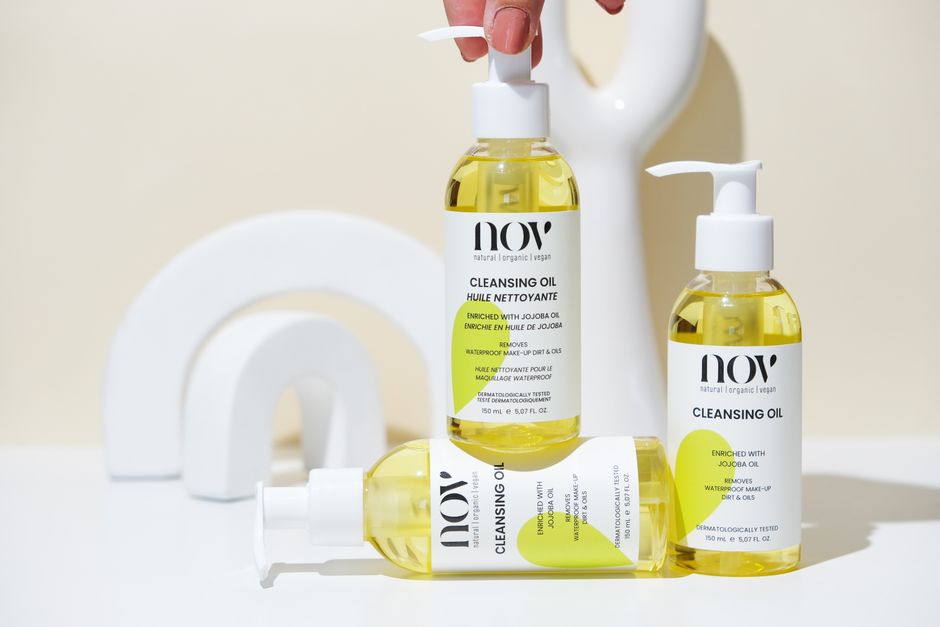
Jojoba oil is a liquid wax ester that closely resembles human sebum, which is why it absorbs quickly and rarely clogs pores. To use it on your face, apply two to three drops to clean, slightly damp skin, press it in gently with your fingertips, and follow with moisturizer if your skin feels dry. You can use it alone as a moisturizer, as a first step before heavier creams, or as a carrier oil for other skincare ingredients. Patch test first if you have sensitive skin.
What Is Jojoba Oil and Why Does It Suit Facial Skin?
Jojoba oil is not actually an oil in the traditional sense. It is a liquid wax ester extracted from the seeds of the jojoba plant, which grows in the desert regions of the southwestern United States and northern Mexico. This distinction matters because it explains much of how the ingredient behaves on skin.
Human sebum contains wax esters as a major component. Jojoba’s chemical structure is similar enough that the skin appears to recognize it rather than reject it. That is one reason it tends to spread easily and sink in without leaving a heavy film, unlike some plant oils that sit on the surface.
The oil is also stable. It resists oxidation better than many polyunsaturated oils, which means it does not go rancid quickly and does not easily break down into irritating byproducts. For a product you are applying to your face daily, that stability is a practical advantage.
What jojoba oil is not: it is not a treatment for acne, rosacea, eczema, or any diagnosed skin condition. It is an emollient, meaning it softens and smooths the surface of the skin. Emollients can make skin feel better and reduce tightness. They do not change the underlying disease process of a skin condition.
How To Use Jojoba Oil For Face Step by Step
The method is simple, but the details affect how well it works for your skin type.
- Start with a clean face. Apply after washing and after any water-based serums or treatments have absorbed.
- Dispense two to three drops into your palm. More is not better. Excess oil can feel greasy and may contribute to congestion in some people.
- Rub your palms together briefly to warm the oil.
- Press, do not rub, the oil into your face using gentle patting motions. Start at the center and work outward.
- If your skin is very dry, follow with a moisturizer to seal in hydration.
- Use once or twice daily. Many people prefer it at night.
If you are using jojoba as a carrier for essential oils, dilute properly. Essential oils are potent and can irritate skin. A common guideline for facial use is a very low dilution, but there is no universal standard that applies to everyone. If you are unsure, consult a dermatologist or a qualified aromatherapist before applying essential oils to your face.
Which Skin Types Benefit Most?
Jojoba oil works for a wider range of skin types than most people expect, but the experience varies.
Dry skin: Jojoba acts as an emollient, softening rough patches and reducing the feeling of tightness. It does not add water to the skin, so it works best layered over damp skin or under a moisturizer that contains humectants like glycerin or hyaluronic acid.
Oily skin: This is where jojoba surprises people. Because its structure resembles sebum, some evidence suggests it may help regulate oil production rather than add to it. The evidence is not conclusive, but many people with oily skin report that a small amount of jojoba feels less greasy than heavier creams. Use it sparingly.
Combination skin: Apply more to dry areas like cheeks and less to the T-zone. There is no rule that says you must use the same amount everywhere.
Acne-prone skin: This is the most debated category. Jojoba is generally considered low on the comedogenic scale, meaning it is less likely to clog pores than many other oils. However, “less likely” is not “never.” Some people with acne find that any added oil worsens their breakouts. If you have active acne, talk to a dermatologist before adding a new oil to your routine. No oil treats acne.
Sensitive skin: Jojoba is generally well tolerated, but reactions happen. Patch test on your inner forearm for a few days before applying to your face.
Jojoba Oil vs. Other Facial Oils
Jojoba is one option among many. Here is how it compares to a few common alternatives on the qualities that matter for facial use.
| Oil | Type | Comedogenic Rating | Best For | Notes |
|---|---|---|---|---|
| Jojoba | Liquid wax ester | Low (0–2) | Most skin types, oily skin | Closest to human sebum; stable shelf life |
| Argan | Plant triglyceride oil | Low (0–2) | Dry, mature skin | Rich in vitamin E; absorbs well |
| Rosehip | Plant triglyceride oil | Low (1) | Dry skin, uneven tone | Contains natural vitamin A precursors; oxidizes faster |
| Coconut | Plant triglyceride oil | High (4) | Body, not typically face | High comedogenic rating; problematic for acne-prone facial skin |
| Marula | Plant triglyceride oil | Low (0–2) | Normal to dry skin | Light texture; good absorption |
Comedogenic ratings are a rough guide, not a guarantee. Individual responses vary. A product rated low can still clog pores in a specific person, and a higher-rated oil does not cause problems for everyone who uses it.
What the Evidence Says — and What It Does Not
Jojoba oil has been studied for wound healing and as a delivery agent in some pharmaceutical preparations. Research published in the Journal of Dermatological Treatment found that a jojoba-based formulation was associated with improved wound healing in a small study, but this does not mean applying jojoba oil to your face heals acne scars or reverses aging.
What is well established: jojoba is an emollient. It softens skin. It is generally non-irritating for most people. It has a long history of use in cosmetics and personal care products.
What is not established: claims that jojoba oil “balances” oil production, “dissolves” sebum plugs, treats acne, reduces wrinkles, or repairs the skin barrier. No large human trials confirm these effects. Some of these claims are based on the oil’s chemical similarity to sebum, which is a plausible starting point but not proof of clinical benefit.
Be cautious of any product that promises jojoba oil will clear your acne or reverse signs of aging. It will not. It may make your skin feel softer and more comfortable. That is a real benefit, but it is a modest one.
Possible Risks and Who Should Avoid It
Jojoba oil is generally well tolerated, but it is not risk-free for everyone.
- Allergic contact dermatitis: Rare but documented. If you develop redness, itching, or swelling, stop using it.
- Pore congestion: Possible in some people, especially those with acne-prone skin. Start with a small amount and monitor your skin for a week or two.
- Essential oil reactions: If you mix jojoba with essential oils, the essential oils are more likely to cause irritation than the jojoba itself.
- Not for broken or infected skin: Do not apply to open wounds, active infections, or areas of skin that are inflamed and undiagnosed.
If you have a diagnosed skin condition, ask your dermatologist before adding any new oil to your routine. Jojoba will not interfere with most prescription treatments, but your dermatologist knows your specific situation.
How To Choose a Good Jojoba Oil
Look for cold-pressed, unrefined jojoba oil if you want the most natural form. Refined versions are lighter in color and have less scent, which some people prefer. Both work as emollients.
Avoid products that list jojoba oil far down the ingredient list and lead with alcohol, fragrance, or silicone. Those are not jojoba products in any meaningful sense. Also avoid “jojoba oil” products that contain added fragrance or essential oils if your skin is sensitive.
Store your oil in a cool, dark place with the cap tightly closed. Jojoba is stable, but light and heat degrade any oil over time. If it smells rancid or looks cloudy, replace it.
Frequently Asked Questions
Can I use jojoba oil on my face every day?
Yes, most people can use it once or twice daily without problems. If you have oily or acne-prone skin, start with once a day and see how your skin responds.
Does jojoba oil clog pores?
Jojoba oil has a low comedogenic rating, meaning it is less likely to clog pores than many other oils. However, no oil is guaranteed non-comedogenic for every person, so monitor your skin for congestion.
Can jojoba oil treat acne?
No. Jojoba oil is an emollient, not an acne treatment. It may feel less irritating than some other oils for acne-prone skin, but it does not kill acne bacteria or unclog pores.
Should I apply jojoba oil before or after moisturizer?
Apply it before your moisturizer if you want the moisturizer to seal it in, or mix a drop into your moisturizer. Either way works, but applying to damp skin first helps lock in hydration.
