
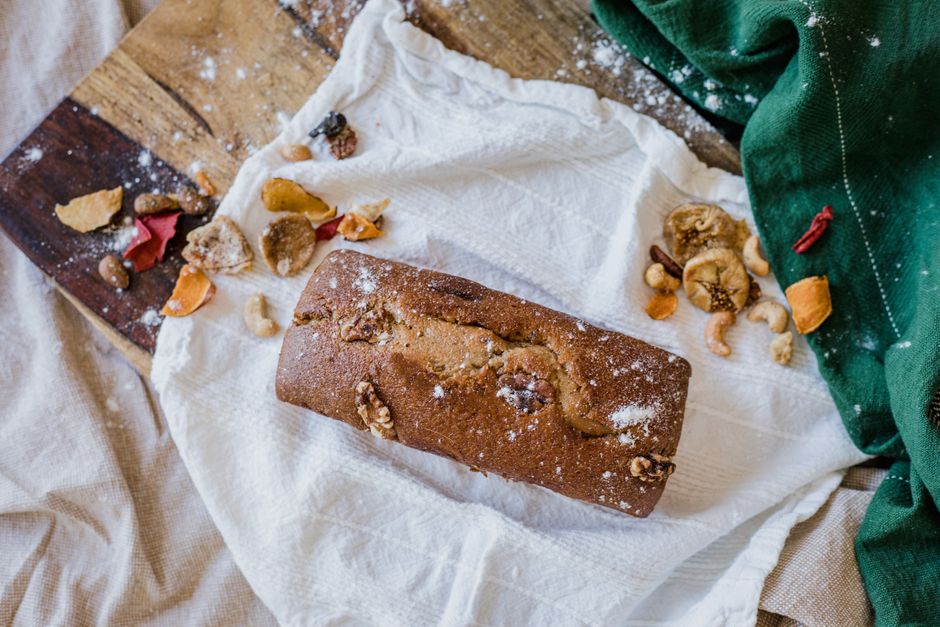
Jaggery is an unrefined sugar made by boiling down sugarcane juice or palm sap until it thickens into a solid block. In tea, it dissolves into a caramel-like sweetener. In baking, it can replace brown sugar in many recipes, though it behaves differently. In savory dishes, it adds a molasses-like depth that balances heat, salt, and acid. Each use has its own rules, and getting them wrong can ruin a dish or a cup of tea.
What Is Jaggery and How Does It Differ From Regular Sugar?
Jaggery is made by evaporating sugarcane juice or palm sap without centrifuging it. That means the molasses, minerals, and natural color stay in the final product. White table sugar goes through refining that strips those components out.
The result is a soft, crumbly solid with a flavor closer to dark brown sugar or molasses than to white sugar. It is sometimes sold as a powder or a liquid syrup, but blocks and cones are the most traditional forms.
Nutritionally, jaggery does contain small amounts of minerals like iron, calcium, and potassium. But the amounts are small enough that you would need to eat a lot of jaggery to get meaningful mineral intake — and that would mean consuming a lot of sugar. It is not a health food. It is sugar with trace minerals.
One practical difference matters in the kitchen: jaggery has a higher moisture content than white sugar and a lower, less predictable sweetness. It also has an acidity that can react with certain ingredients. These traits change how it behaves in tea, baked goods, and cooked dishes.
How To Use Jaggery in Tea
Jaggery tea is common in South Asia and parts of the Middle East, where it is often paired with ginger, cardamom, or fennel. The jaggery replaces white sugar and adds a deeper, slightly smoky sweetness.
The main challenge is that jaggery does not dissolve as cleanly as granulated sugar. Grate or crumble it finely before adding, or shave thin pieces off the block with a sharp knife. Larger chunks will sink and leave a gritty layer at the bottom of the cup.
Add jaggery to hot tea and stir until it fully dissolves. If you are making masala chai, add it near the end of boiling so its flavor stays bright rather than cooking down too long. A rough starting point is one to two teaspoons per cup, adjusted to taste — jaggery’s sweetness varies by batch and source, so you may need to experiment.
One thing to watch: jaggery can carry a slightly earthy or fermented note, especially if it is older or was stored poorly. Fresh jaggery tastes cleaner. If your tea tastes off, the jaggery may be the cause rather than the tea leaves.
Does jaggery tea have health benefits?
No clinical evidence confirms that jaggery tea offers health benefits beyond those of any warm beverage. Some traditional practices describe it as warming or easier to digest than white sugar, but these claims have not been tested in controlled human studies. Treat jaggery tea as a flavorful drink, not a remedy.
How To Use Jaggery in Baking
Jaggery can replace brown sugar in many recipes, but the swap is not one-to-one. Its moisture content is higher and its sweetness is lower and less consistent, so baked goods can come out denser, darker, and less sweet than expected.
A common approach is to replace about three-quarters of the brown sugar called for with jaggery by weight, then adjust. Because jaggery is wetter, you may need to reduce other liquids slightly or add a small amount of extra flour. This is not an exact science — jaggery varies by region and producer.
Grate or powder the jaggery before measuring. Solid chunks will not incorporate evenly into batter. If your jaggery is very hard, warm it gently until it softens enough to grate.
Jaggery works well in:
- Cookies and quick breads where a molasses-like flavor is welcome
- Gingerbread, spice cakes, and carrot or banana breads
- Indian sweets like chikki, ladoo, and halwa
- Some muffin and pancake recipes
It works less well in delicate baked goods where a clean, neutral sweetness matters — like angel food cake, light sponge cakes, or sugar cookies meant to be pale. The color and flavor will show through.
Jaggery also caramelizes faster than white sugar because of its mineral and molasses content. Watch baking times closely the first time you use it in a recipe.





How To Use Jaggery in Savory Dishes
In savory cooking, jaggery is used the way many cuisines use a touch of sugar: to round out sour, salty, or spicy flavors. It appears in Indian, Sri Lankan, and Southeast Asian cooking, often in chutneys, curries, and lentil dishes.
A small amount goes a long way. Add jaggery early in cooking so it dissolves and blends, or near the end if you want its flavor to stay distinct. It pairs especially well with tamarind, lime, vinegar, chili, and soy or fish sauce.
Common uses include:
- Balancing tangy tamarind chutney or sweet-and-sour sauces
- Adding depth to lentil soups, bean curries, and vegetable stews
- Glazing roasted vegetables or meats
- Sweetening marinades for grilled or braised dishes
Because jaggery burns easily, keep heat moderate when using it in a glaze or stir-fry. High heat can turn it bitter quickly.
How To Store Jaggery So It Lasts
Jaggery is hygroscopic, meaning it absorbs moisture from the air. Left exposed, it turns soft, sticky, or syrupy. Stored poorly, it can also grow mold or attract insects.
Keep jaggery in an airtight container in a cool, dry place. A glass jar with a tight lid works well. Some people add a few grains of raw rice or a small piece of dried chili to the container to absorb excess moisture — a traditional practice, though not a guarantee against spoilage.
If your jaggery becomes hard, you can soften it by placing it in a sealed container with a slice of bread or apple for a day, or by warming it briefly. If it develops mold, a sour smell, or visible insects, discard it.
Refrigeration can help in humid climates, but it can also introduce moisture when the container is opened and closed repeatedly. The key is consistency — keep it sealed and dry.
Is Jaggery Healthier Than White Sugar?
Jaggery contains small amounts of minerals that white sugar does not, but the difference is minor. Both are primarily sugar, and both affect blood glucose in similar ways.
Some people assume that because jaggery is less processed, it is safe for people with diabetes or prediabetes. That is not supported by evidence. Jaggery still raises blood sugar, and the trace minerals do not change that. Anyone managing blood sugar should treat jaggery the same way they treat other sugars — with attention to portion and total intake.
The evidence comparing jaggery and white sugar on health outcomes is limited. No large human trials have confirmed that jaggery offers meaningful health advantages over refined sugar. If you prefer the taste, that is a reasonable reason to use it. Just do not treat it as a low-sugar or medicinal option.
Frequently Asked Questions
Can I use jaggery instead of sugar in any recipe?
You can substitute jaggery in many recipes, but not as a one-to-one swap. It has more moisture and less consistent sweetness, so baked goods may need adjustments to liquid and flour.
Does jaggery tea have health benefits?
No clinical evidence confirms health benefits from jaggery tea beyond those of any warm drink. It is a flavorful beverage, not a treatment for any condition.
Is jaggery safe for people with diabetes?
Jaggery raises blood sugar and should be treated like other sugars by people with diabetes or prediabetes. It is not a safe substitute for managing blood glucose.
How do I keep jaggery from getting hard or moldy?
Store jaggery in an airtight container in a cool, dry place. Discard it if you see mold, smell sourness, or find insects.
