
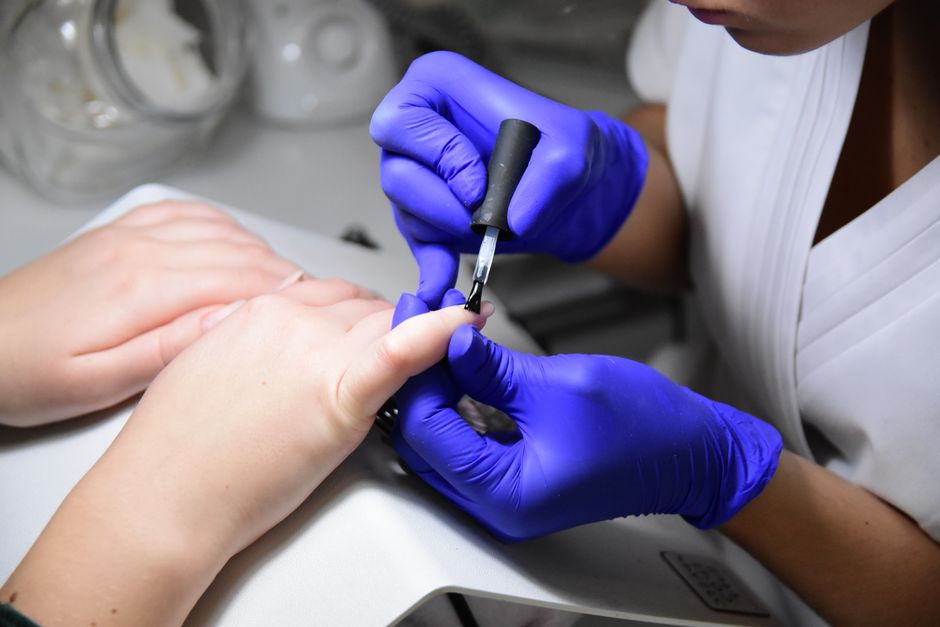
Gel polish cured under a UV or LED lamp can last one to two weeks or more without chipping, and the process is straightforward once you know the steps. You start with clean, dry nails, apply a base coat and cure it under the lamp, then add thin layers of color and cure each one. A top coat and a final cure seal everything in place. The one rule that matters most: every layer must be thin, and every layer must be fully cured before you add the next.
What Do You Need Before You Start?
Gel polish is a different product from regular nail polish, and it will not dry in the air. It only hardens when exposed to a specific wavelength of light. That is why the lamp is not optional.
Here is what you need:
- A UV or LED curing lamp. Many modern gel polishes are formulated for LED lamps, which cure faster. Check the polish label for which lamp it is made for.
- A gel base coat, gel color, and gel top coat from a system that is designed to work together.
- Nail dehydrator or rubbing alcohol to remove oils from the nail plate.
- A nail file and buffer to lightly prepare the nail surface.
- Cuticle pusher, lint-free wipes, and acetone for removal later.
Mixing brands within one manicure is a common cause of peeling. Base coats, colors, and top coats are formulated as a system. When you can, stay within one brand line.
How Do You Prepare Your Nails for Gel Polish?
Preparation decides how long the manicure lasts. Most gel polish failures — lifting at the edges, peeling in sheets — trace back to the nail plate not being clean and dry.
Start by pushing back the cuticles gently. Do not cut them unless you normally do; small breaks in the skin around the nail are an entry point for infection. Wash your hands and dry them completely.
Wipe each nail with a dehydrator or rubbing alcohol on a lint-free pad. This removes natural oils and any lotion residue that would stop the gel from bonding.
Lightly buff the surface of the nail with a fine buffer. You are not thinning the nail — you are creating a slightly textured surface for the base coat to grip. Then wipe away the dust.
Do not apply gel polish to broken skin, a nail infection, or a nail that is separating from the nail bed. See a doctor or podiatrist first. Gel polish traps moisture and can make an infection worse.
How To Use Gel Polish With UV Light Step By Step
The sequence is the same whether you use a UV or LED lamp. What changes is the curing time, which depends on the lamp and the polish. Follow the times printed on your product, not a number you read online.
Here is the full order of steps:
- Apply a thin base coat. Wipe the brush on the bottle rim so you use less than you think you need. Cap the free edge — drag a little product across the tip of the nail.
- Cure under the lamp. Place your hand flat under the light. Cure for the time your polish specifies. Do not pull your hand out early.
- Apply the first color layer. Keep it thin. Thin layers cure fully; thick layers can stay soft underneath and peel later.
- Cure again. Repeat the same time.
- Apply a second color layer if needed. Two thin coats usually give better coverage than one thick coat. Cure again.
- Apply the top coat. Cap the free edge again. Cure for the full time.
- Wipe off the sticky layer if your top coat has one. Many top coats leave an inhibition layer — a tacky film. Wipe with rubbing alcohol on a lint-free pad if the product instructions say to.
Most gel systems require curing each layer, including the base and top coats. Skipping a cure on any layer undermines the whole manicure.
How Long Should You Cure Each Layer?
Curing time depends on the lamp’s power, the wavelength it emits, and the specific polish. There is no single correct number.
As a general guide, many LED-curable gels cure in the range of 30 to 60 seconds per layer, and UV lamps often need longer. But the label on your product is the authority. If a polish says it is LED-curable at a set time, that time was tested with a specific lamp type.
Two things reliably affect whether a layer is truly cured:
- Layer thickness. A thick layer can look hard on top while staying soft underneath. Thin is not a suggestion — it is the mechanism.
- Lamp condition. UV bulbs lose strength over time even when they still glow. LED lamps generally hold their output longer. If your manicures suddenly start peeling, the lamp may be the reason.
Dark and highly pigmented colors can be harder to cure through than light shades. Some people cure dark colors for a little longer than the label states. That is common practice, not a formal rule.
Does UV Light From a Nail Lamp Damage Your Skin?
UV nail lamps emit UVA radiation, and UVA is a known contributor to skin aging and skin cancer risk over time. The question is whether the dose from a manicure matters.
Research on this has generally found the exposure from a single manicure to be low compared with natural sunlight exposure. Some studies have estimated the UV dose from a nail lamp session as roughly comparable to a few minutes of sun exposure, though estimates vary by lamp and study. The evidence does not suggest a strong link between occasional gel manicures and skin cancer, but it also does not prove zero risk.
For people who get gel manicures often, or who have a history of skin cancer or photosensitivity, a few practical steps are reasonable:
- Apply broad-spectrum sunscreen to your hands before the appointment.
- Wear fingerless UV-protective gloves.
- Keep the number of sessions sensible.
These are precautionary measures, not proven risk-reduction strategies. The honest position is that the risk from nail lamps appears low but is not zero, and the evidence is limited.
Why Does Gel Polish Peel or Lift?
Peeling almost always has a cause, and it is usually one of a few.
The nail plate was not clean or dry. Oils, lotion, or moisture stop the base coat from bonding. The layers were too thick. A layer was under-cured. Or the polish was applied over a nail that was already lifting or damaged.
Another common one: the free edge was not capped. The tip of the nail takes the most wear. A thin line of product dragged over the edge protects it.
If your gel polish peels in whole sheets within a day or two, suspect either the preparation or under-curing. If it chips at the tips after a week or more, that is normal wear.
How Do You Remove Gel Polish Safely?
Do not peel or pick gel polish off. Peeling takes layers of the nail plate with it and leaves the nail thin and weak. It can take months for that damage to grow out.
The safe method is soaking. File the top coat to break the seal, then soak the nails in acetone for roughly 10 to 15 minutes, or as long as the product needs. Many people wrap each nail in an acetone-soaked cotton pad and cover it with foil to hold the acetone against the nail. Once the gel has softened, gently push it off. Do not scrape hard.
Acetone is drying, so moisturize your hands and nails afterward. A nail oil or hand cream helps replace what the acetone stripped.
Is Gel Polish Bad for Your Nails?
Gel polish itself does not damage the nail plate. The damage people associate with gel manicures usually comes from two things: improper removal and the filing that happens during application.
Peeling the polish off removes surface layers of the nail. Aggressive buffing can thin the nail over time. Done gently and removed properly, gel polish is generally considered safe for healthy nails.
Some people develop an allergic reaction to ingredients in gel products, most often to certain acrylate compounds. Signs include itching, redness, or swelling around the nail, or a rash on the fingertips or eyelids. If that happens, stop using the product and see a doctor. Repeated exposure after a reaction can make it worse.
If your nails feel weak, brittle, or sensitive, give them a break between manicures. Nails do not need to “breathe” in the way the myth suggests — the nail plate gets oxygen from the blood supply, not the air — but a rest period lets any surface damage grow out.
Frequently Asked Questions
Can I use regular nail polish with a UV lamp?
No. Regular polish dries by evaporation and will not cure under a UV or LED lamp. Only gel polish formulated for curing hardens under the light.
How long does a gel manicure last?
Most gel manicures last about one to two weeks, though this varies with nail growth, how much you use your hands, and how well the polish was applied. Proper preparation and thin layers tend to extend wear.
Can I skip the base coat with gel polish?
You can, but the base coat helps the color bond to the nail and makes removal easier. Skipping it often shortens how long the manicure lasts.
Do I need to let gel polish dry after curing?
No. Once a layer is fully cured it is hard, and there is nothing to dry. The only thing left to wipe off is the sticky inhibition layer some top coats leave behind.
