
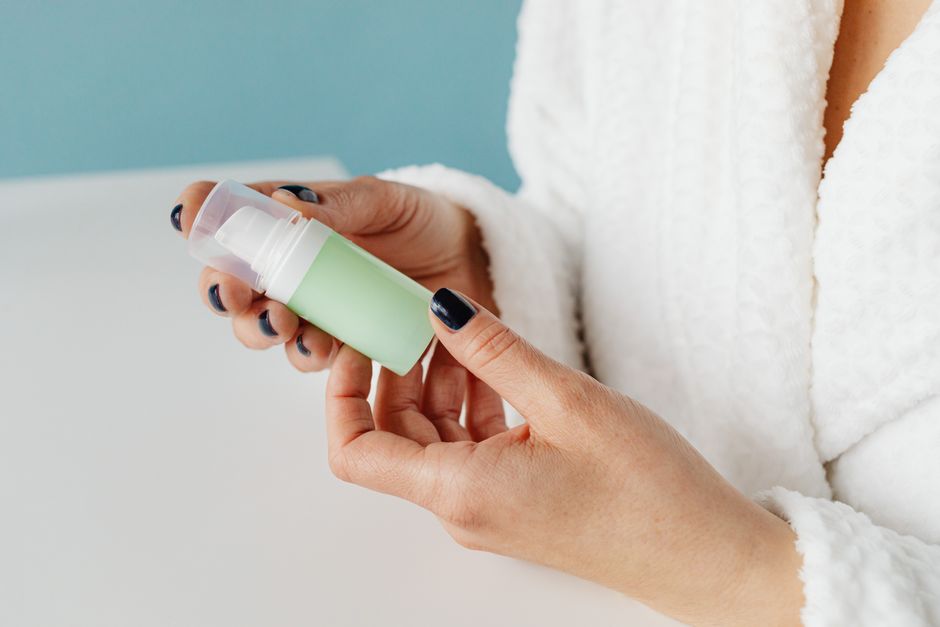
Clindamycin phosphate topical solution is a prescription antibiotic liquid you apply directly to your skin. You wash and dry the affected area, dab a thin layer of the solution over it, and keep it away from your eyes, lips, and broken skin. Most people apply it once or twice a day, but the exact schedule depends on what your prescriber wrote on the label. Follow that label, not a friend’s routine or an internet post.
The solution is usually prescribed for acne. It works by slowing the growth of certain skin bacteria and reducing the inflammation they help drive. It is not a spot treatment you dab on a single pimple the night before a date. It is a course of treatment applied to the whole area your clinician identified, and it takes weeks, not days, before you see a real change.
What Is Clindamycin Phosphate Topical Solution Used For?
It is used to treat acne vulgaris, the common form of acne that involves blocked pores, bacteria, and inflammation. The topical solution is one of several forms of topical clindamycin; others include gels, lotions, foams, and medicated pads.
Clindamycin is an antibiotic. On the skin, it reduces populations of Cutibacterium acnes, the bacterium that lives in hair follicles and contributes to inflammatory acne. It also has some direct anti-inflammatory effect. That combination is why it can calm red, inflamed lesions.
Topical clindamycin is generally used for inflammatory acne — the papules and pustules — rather than for blackheads and whiteheads alone. It is often prescribed alongside other topical treatments such as benzoyl peroxide or a retinoid rather than on its own. That pairing matters for reasons covered below.
How To Use Clindamycin Phosphate Topical Solution Step by Step
Start with clean, dry skin. Wash the area with a mild cleanser, rinse, and pat dry. Applying to damp skin can increase irritation, and applying over another product can affect how well it absorbs.
Dispense a small amount onto a clean fingertip or a cotton pad. Spread a thin film over the entire affected area — not just the individual spots. If your clinician told you to treat your whole face, treat your whole face. Dabbing only on visible pimples leaves untreated skin where new lesions form.
Let it dry before applying anything else. If you use other topical acne products, ask your prescriber about the order and spacing, because layering several active products at once raises the risk of irritation.
Wash your hands afterward. Avoid the eyes, lips, nostrils, and any area of broken or irritated skin. The solution contains alcohol in many formulations, which can sting on open skin or after shaving.
Consistency matters more than technique. Skipping days or applying extra to make up for a missed dose does not help and can irritate your skin. If you miss a dose, apply it when you remember unless it is nearly time for the next one — then skip the missed dose and continue your normal schedule.
How Often Should You Apply It?
Once or twice daily is the usual range, and your prescription label is the authority for your case. Some people start once daily to let their skin adjust, then move to twice daily if their clinician advises it.
Do not increase the frequency on your own if you are not seeing results quickly. More applications do not speed up clearing and do raise the chance of dryness, peeling, and stinging. Acne treatment is a marathon measured in weeks, and pushing the dose usually backfires.
If your skin becomes very dry or irritated, contact your prescriber before changing anything. They may adjust frequency, switch to a gentler formulation such as a lotion, or add a moisturizer to your routine.
Why Combination Treatment Matters
Using topical clindamycin alone carries a real problem: bacteria can become resistant to it. Over time, resistant C. acnes can make the treatment less effective. This is not a rare theoretical concern — antibiotic resistance in acne treatment is well documented.
For this reason, guidelines generally recommend combining topical clindamycin with benzoyl peroxide rather than using the antibiotic by itself. Benzoyl peroxide has its own antibacterial action and appears to reduce the development of clindamycin resistance. Many prescription products combine the two ingredients in one formulation for exactly this reason.
If you have been prescribed clindamycin alone, it is reasonable to ask your clinician whether a combination product would be appropriate for you. Do not add benzoyl peroxide or any other active ingredient on your own without checking, since some combinations increase irritation.
How Long Does It Take to Work?
Expect weeks, not days. Acne treatments are typically judged over a period of roughly 8 to 12 weeks before deciding whether they are working. Early improvements may appear sooner, but the skin cycle and the inflammatory process take time to settle.
This timeline is one of the most common sources of frustration. People stop a treatment after ten days because “nothing is happening,” when the medication has barely had time to act. Give it the full window your prescriber recommends before drawing conclusions.
If your acne is worsening, or if you develop significant redness, swelling, or peeling, contact your prescriber rather than waiting out the full course.
What Are the Common Side Effects?
The most common effects are skin-related and local: dryness, peeling, stinging, burning, and redness at the application site. These are usually mild and often ease as your skin adjusts. The alcohol content of the solution can contribute to dryness.
More serious reactions are uncommon but possible. Stop using the product and seek medical advice if you develop a rash, hives, swelling, or severe irritation. As with any antibiotic, topical clindamycin can occasionally be associated with serious intestinal inflammation (colitis), though this is rare with topical use compared with oral antibiotics. Report persistent or severe diarrhea to your clinician.
Do not apply the solution to areas of eczema, sunburn, or broken skin unless your prescriber specifically told you to. Those areas absorb more and are more likely to react.
Practical Tips for Getting the Most From It
Small habits make a difference over a multi-week course:
- Apply to the whole affected area, not just visible spots.
- Use a gentle, non-abrasive cleanser and a light moisturizer if your skin feels tight or flaky.
- Use sunscreen daily, since acne treatments can make skin more sensitive to sun.
- Keep the solution away from eyes, lips, and the corners of the nose.
- Store it as directed on the label and check the expiration date.
- Do not share the product with anyone else, even if they have similar acne.
One clarification worth knowing: topical clindamycin is not the same as oral clindamycin. The oral form is a systemic antibiotic used for other types of infections, and it carries different risks. The topical solution acts locally on the skin and is not a substitute for oral antibiotics when those are genuinely needed.
When Should You Talk to Your Prescriber?
Contact your clinician if your acne has not improved after the full trial period they recommended, if it is getting worse, or if you develop a reaction such as a spreading rash or significant swelling. Also reach out if you are pregnant, planning pregnancy, or breastfeeding, so the plan can be reviewed.
Do not stop and restart the treatment repeatedly on your own. Stopping early can allow acne to return before the skin has stabilized, and inconsistent use makes it harder to tell whether the treatment is working.
Frequently Asked Questions
Can I use clindamycin phosphate topical solution every day?
Yes. It is typically applied once or twice daily, and daily use is how it is designed to work. Follow the schedule on your prescription label.
Can I use clindamycin topical solution with benzoyl peroxide?
Yes, and this combination is often recommended because it can reduce the risk of antibiotic resistance. Ask your prescriber before combining products on your own.
How long does clindamycin topical solution take to work?
Acne treatments are generally judged over about 8 to 12 weeks. Early changes may appear sooner, but give it the full window before deciding whether it is working.
Can I wear makeup over clindamycin phosphate topical solution?
Yes, once the solution has fully dried. Apply the medication first, let it dry, then apply makeup as usual.
