
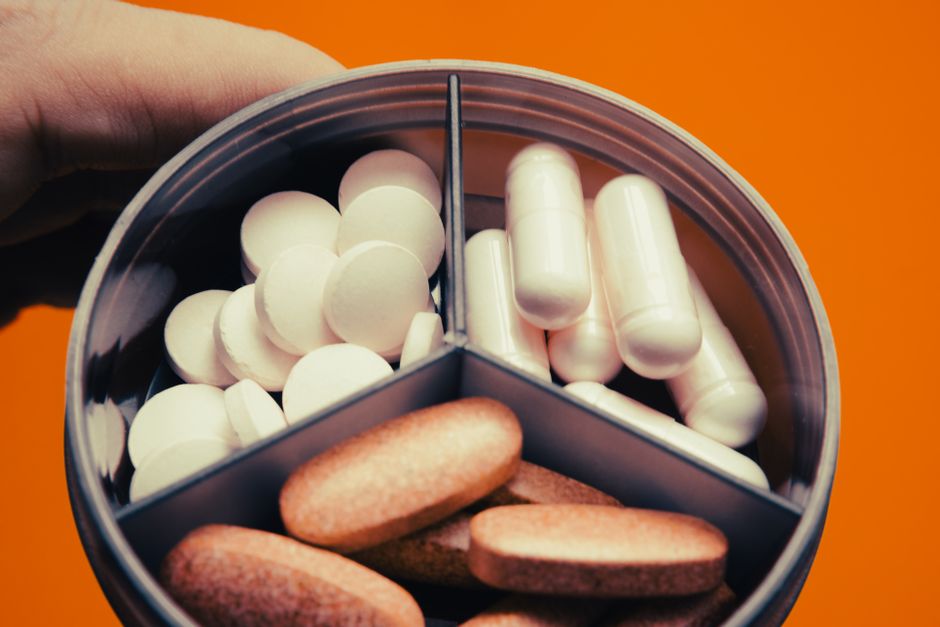
There is no established dose of CBD for sleep, and no CBD product has been approved by the FDA to treat insomnia. What research does suggest is that timing matters more than most people expect: CBD reaches peak levels in the blood roughly one to three hours after swallowing, so a dose taken right at bedtime is unlikely to be doing much while you are trying to fall asleep. Most of what people call “CBD for sleep” is really about matching a product, a dose, and a schedule to your own body — and being honest that the evidence is thin.
Does CBD Actually Help With Sleep?
The evidence is real but limited, and much of it comes from small studies rather than large trials. Research published in The Permanente Journal in 2018 looked at a small group of adults with anxiety and poor sleep who took a CBD oil for about a month. Many reported sleeping better, but the study had no placebo group and only 72 participants — that is not enough to prove CBD works.
Other studies have looked at CBD in people with specific conditions. A trial in Current Pharmaceutical Design examined CBD for REM sleep behavior disorder, a condition where people act out their dreams. It showed some reduction in symptoms, but again the sample was small. For ordinary difficulty falling asleep in healthy adults, the honest answer is that no large, well-controlled trial has confirmed benefit.
Here is a distinction that gets lost in the marketing: CBD is not a sedative. Unlike melatonin or prescription sleep medications, it does not directly push you into sleep. The leading theory is that CBD may reduce anxiety and arousal — the racing mind that keeps people awake — rather than acting on sleep centers in the brain. That mechanism is plausible but not firmly proven in humans.
One more thing worth knowing. Early research on CBD and sleep often used doses far higher than what’s sold in stores, sometimes hundreds of milligrams per day. The 10 to 25 mg gummies on the shelf are not the same thing as what was studied.
How To Use CBD For Sleep: Dosing, Timing And More
There is no official dose, and that is the single most important fact to understand. The FDA has not approved CBD for sleep, and no clinical guideline sets a standard dose. Any number you see online is a starting point someone chose, not a recommendation backed by regulatory or clinical consensus.
What we do know is how CBD behaves in the body, and that can guide sensible choices.
- Start low. Many clinicians and researchers who work with CBD suggest starting in the range of 10 to 20 mg and observing for a week or two before increasing. This is common practice, not a proven protocol.
- Give it time. CBD is not a fast-acting drug for sleep. Effects on anxiety and arousal, if they occur, tend to build over days to weeks rather than on the first night.
- Take it 1 to 2 hours before bed. This matches the window when blood levels peak after swallowing. Taking it at the moment you get into bed is likely too late for that night.
- Keep a simple log. Note the dose, the time, and how you slept. Without tracking, it is very easy to attribute a good night to CBD when it was really a quiet evening or a tiring day.
Consistency matters more than the exact number. A steady dose at a steady time lets you judge whether CBD is doing anything at all.
Should You Take CBD Oil Or Gummies For Sleep?
The form matters less than the label, but there are real differences. CBD taken by mouth — oil, capsules, or gummies — passes through the liver before reaching the bloodstream, which slows onset and reduces how much actually gets into circulation. That is why peak levels take one to three hours.
Oil held under the tongue for a minute or two absorbs partly through the lining of the mouth and can reach the bloodstream faster. Gummies are convenient and easy to dose consistently, but they often contain sugar and can vary in potency from batch to batch.
Whatever the form, the label is where most problems start. CBD products are not tightly regulated, and independent testing has repeatedly found that the amount of CBD on the label does not always match what is in the bottle. Some products have contained little or no CBD. Others have contained THC, the psychoactive compound in cannabis, sometimes at levels that could affect a drug test or cause impairment.
Look for products that publish third-party lab results, called a certificate of analysis. That is the closest thing to a quality check in this market.
What Are The Risks And Side Effects Of CBD For Sleep?
CBD is generally well tolerated in the short term at moderate doses, but “generally well tolerated” is not the same as “risk-free.” The most commonly reported side effects are drowsiness, dry mouth, low appetite, and loose stools. Some people experience fatigue the next morning, especially at higher doses.
The bigger concern is drug interactions. CBD is processed by the same liver enzymes that break down many common medications. That means it can raise blood levels of certain drugs, including some blood thinners, epilepsy medications, and drugs that carry a “grapefruit warning” on their label. If you take prescription medication, this is a conversation to have with your pharmacist or doctor before starting CBD, not after.
There are also unanswered questions about long-term daily use. We do not have good data on what years of regular CBD does to the liver or hormone levels. Some studies have flagged potential liver enzyme changes at high doses, though this has mostly been seen with prescription CBD products rather than over-the-counter oils.
CBD is not appropriate for everyone. People who are pregnant or breastfeeding should avoid it. So should anyone under 18, unless a doctor is involved. No clinical guidelines currently exist for CBD use in pregnancy, breastfeeding, or children, and the safest position is to avoid it in these groups.
Does CBD Help With Sleep Anxiety Or Insomnia?
These are two different problems, and CBD may not help them equally. Anxiety-driven sleeplessness — the kind where your mind races as soon as the lights go out — is where the case for CBD is strongest. Several studies suggest CBD can reduce anxiety in certain situations, and if anxiety is what’s keeping you up, reducing it could plausibly improve sleep as a side effect.
Chronic insomnia is a different story. Insomnia is a diagnosed condition with established, well-tested treatments. Cognitive behavioral therapy for insomnia, known as CBT-I, is the first-line treatment recommended by major medical organizations, and it has far stronger evidence behind it than any CBD product. If you have been struggling with sleep for more than a few weeks, CBD is not a substitute for an evaluation.
This is where honesty matters. If you have trouble falling asleep a few nights a week because of stress, CBD is a low-risk thing to try. If you have been sleeping poorly for months, waking repeatedly, or feeling exhausted during the day, the right move is to talk to a clinician, not to keep increasing your dose.
How Long Does CBD Take To Work For Sleep?
For a single dose, CBD reaches peak blood levels in about one to three hours. That is why timing matters — take it well before bed, not at bedtime.
For sleep itself, the picture is less clear. Most studies that reported sleep improvements looked at effects over weeks, not nights. Some people notice a difference within a few days. Others notice nothing at all. There is no reliable timeline, and anyone who tells you CBD works on the first night is describing a hope, not a finding.
A reasonable approach is to try a consistent dose for two to four weeks and judge honestly. If nothing changes, more CBD is unlikely to be the answer.
What Should You Try Before CBD For Sleep?
Several approaches have much stronger evidence behind them than CBD does, and they cost nothing. Keeping a consistent wake time, getting bright light in the morning, limiting caffeine after midday, and keeping the bedroom cool and dark all have solid support. So does getting out of bed if you have been awake for a while rather than lying there frustrated.
If those are not enough, CBT-I is the treatment with the strongest evidence for chronic insomnia, and it is available through apps, clinicians, and sleep specialists. Melatonin has some evidence for certain sleep timing problems, though its effects are modest and the optimal dose is debated.
CBD can sit alongside these habits. It should not replace them. The people who get the most from CBD for sleep tend to be the ones who treated it as one small piece of a broader routine — not as a switch to flip.
Frequently Asked Questions
How many mg of CBD should I take for sleep?
There is no official dose. Many clinicians and researchers suggest starting around 10 to 20 mg and adjusting slowly over a week or two, but this is common practice rather than a proven guideline.
How long before bed should I take CBD?
About one to two hours before bed is a reasonable window, since CBD reaches peak blood levels roughly one to three hours after swallowing.
Can CBD make you sleepy the next morning?
Yes, some people report next-day drowsiness, especially at higher doses. If that happens, a lower dose or earlier timing is worth trying.
Is it safe to take CBD with sleep medication?
Not without checking first. CBD can interact with many medications by affecting how the liver breaks them down, so talk to your pharmacist or doctor before combining them.
