
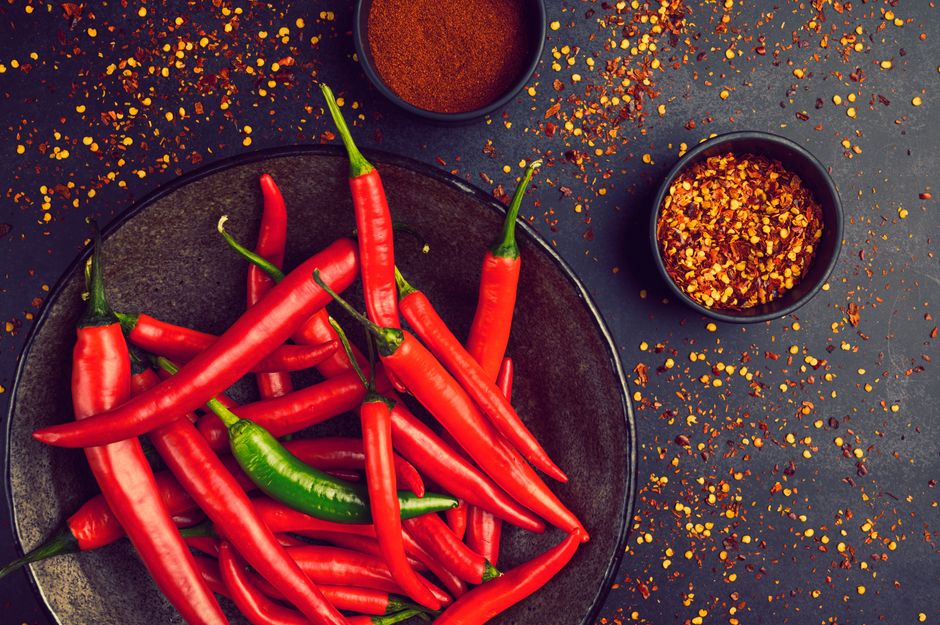
Cayenne pepper is a dried, ground chili pepper — usually a cultivar of Capsicum annuum — that adds heat and a distinct earthy flavor to food. You can use it in cooking by starting with small amounts, adding it early to dishes where it can bloom in oil, and tasting as you go. Its health benefits come mostly from capsaicin, the compound that makes peppers hot, though many of the claims you see online are stronger than the actual evidence.
What Is Cayenne Pepper and How Is It Different From Other Peppers?
Cayenne is a specific type of chili pepper, not a blend or a generic name for all hot pepper. It is typically sold as a fine powder made from dried, ground cayenne chilies. The peppers themselves are long, thin, and red when mature.
The heat of any chili comes from capsaicin and related compounds called capsaicinoids. These bind to pain and heat receptors on your tongue and throughout your body, which is why you feel a burning sensation. That burning is not a taste — it is your nervous system responding to a chemical signal.
Heat is measured on the Scoville scale. Cayenne generally falls in the range of 30,000 to 50,000 Scoville heat units, though this varies by variety and growing conditions. For comparison, a bell pepper sits at zero, a jalapeño is typically in the low thousands, and a habanero is much hotter. This matters for cooking because you cannot swap cayenne for another chili one-to-one without changing the dish.
Paprika is often made from milder peppers. Chili powder, as sold in US grocery stores, is usually a blend that includes cayenne along with cumin, oregano, and garlic. Pure cayenne is just ground cayenne pepper. Reading the label tells you which one you have.
How To Use Cayenne Pepper in Cooking: Practical Tips
Start with less than you think you need. You can always add more heat, but you cannot take it out. A common starting point for a dish serving four is a pinch to a quarter teaspoon. From there, adjust based on your tolerance and the other flavors in the dish.
Capsaicin is fat-soluble, meaning it dissolves in oil rather than water. This has real cooking consequences. Adding cayenne to a hot pan with oil — a step sometimes called blooming — distributes the heat and flavor more evenly than stirring it into a water-based liquid at the end. It also means a little goes further when fat is present.
Acid and dairy can soften the burn. A squeeze of lime, a spoon of yogurt, or a splash of cream can round off sharp heat. Sugar and salt do less to reduce the burn than most people assume. If a dish turns out too hot, adding fat or acid is more reliable than adding sugar.
Where cayenne fits well:
- Soups, stews, and chili, added early so the heat melds with other flavors
- Dry rubs for meat, where it combines with salt, sugar, and other spices
- Eggs, beans, and rice dishes, where a small amount lifts bland base ingredients
- Marinades and dressings, where oil carries the capsaicin through the mixture
- Popcorn, roasted vegetables, and snack mixes, dusted after cooking
Two things to watch. First, cayenne burns easily in a dry pan over high heat — add it to oil or liquid rather than toasting it dry. Second, keep it away from your eyes and face after handling. Wash your hands well, and be especially careful if you wear contact lenses.
Does Cayenne Pepper Have Real Health Benefits?
Capsaicin has been studied for several health effects, and the picture is mixed. Some findings are reasonably consistent. Others are preliminary or drawn from small studies. It helps to separate them.
Pain relief. Topical capsaicin creams are an established treatment for some types of localized pain. This is one of the better-supported uses. The mechanism is fairly well understood: repeated exposure to capsaicin desensitizes the nerve endings that carry pain signals. These products are applied to the skin, not eaten, and they are not the same as sprinkling cayenne on food.
Metabolism and appetite. Some studies suggest capsaicin may slightly increase energy expenditure and reduce appetite. The effects found in research tend to be small and short-lived. No clinical evidence currently confirms that eating cayenne leads to meaningful weight loss on its own. Anyone selling cayenne as a weight-loss solution is overstating what the research shows.
Blood pressure and circulation. A small number of studies have looked at cayenne or capsaicin and blood pressure, with some suggesting modest effects. The evidence is not strong enough to recommend cayenne as a treatment for high blood pressure. Anyone with hypertension should follow their clinician’s guidance, not a spice.
Digestion. There is a common belief that spicy food causes ulcers or makes them worse. This is largely a myth. The bacteria Helicobacter pylori and long-term use of certain pain medications are the main causes of peptic ulcers, not spice. Some people with existing digestive conditions like acid reflux or irritable bowel syndrome find spicy food aggravates their symptoms, and that is worth paying attention to individually. But cayenne does not cause ulcers in healthy people.
One non-obvious point: much of the human research on capsaicin uses concentrated supplements or isolated capsaicin, not the amount you would get from cooking. A sprinkle on your eggs is not the same dose as a study capsule. That gap matters when you read headlines about cayenne’s benefits.





How Much Cayenne Pepper Is Safe To Eat?
For most healthy adults, cayenne used as a seasoning in food is considered safe. There is no official recommended daily amount because it is a spice, not a nutrient with a required intake. The amount people tolerate varies widely, and the right amount for you is the amount that adds flavor without causing discomfort.
Large doses of capsaicin — far beyond what you would eat in a meal — can cause stomach pain, nausea, vomiting, and diarrhea. Capsaicin supplements sold in concentrated form carry more risk than the spice itself. If you are considering a capsaicin supplement, talk to a clinician first. The evidence for most supplement uses is not strong, and the doses are much higher than food amounts.
Some people should be more cautious. If you have acid reflux, gastritis, irritable bowel syndrome, or another condition where spicy food triggers symptoms, cayenne may not agree with you. If you take blood-thinning medication, ask your clinician before making cayenne or capsaicin a regular part of your routine, since there is some question about how capsaicin interacts with clotting. The evidence here is limited, so this is a case where checking with a professional is the sensible move.
No clinical guidelines currently exist for cayenne intake during pregnancy or breastfeeding. If you are pregnant or nursing, keep cayenne to normal culinary amounts and discuss any supplement use with your clinician.
Does Cooking Destroy Cayenne’s Benefits?
Capsaicin is fairly heat-stable, so cooking does not eliminate it. The heat you feel in a cooked dish is the same compound. However, cooking does change how capsaicin is distributed and how much of it reaches your mouth in any given bite, especially in oil-based dishes where it spreads through the fat.
What cooking does affect is the overall pepper. Vitamins like vitamin C, which fresh peppers contain, are reduced by heat. But cayenne is used in such small amounts that it is not a meaningful source of vitamin C in the diet anyway. If you want the vitamin content of peppers, you would eat them fresh and in larger quantities, not as a pinch of powder.
Dried cayenne powder does lose potency over time. It does not spoil in the way fresh food does, but the flavor and heat fade. Stored in a cool, dark place in an airtight container, it holds up reasonably well for about a year, after which you may notice it tastes flatter.
What Are the Risks and Who Should Be Careful?
For most people, cayenne is a low-risk food when used as a spice. The main issues are discomfort and the rare but real risk of concentrated capsaicin products.
The most common problem is simply eating too much and dealing with stomach pain or a burning sensation. This passes, but it is unpleasant. Capsaicin does not cause lasting damage to a healthy digestive tract at food levels.
Handling is worth mentioning. Touching your eyes, nose, or other sensitive areas after handling cayenne or other hot peppers causes significant pain. This is not dangerous in most cases but can be alarming. Wash hands thoroughly with soap and water, not just water, since capsaicin is not water-soluble.
There is a rare but serious risk with extremely high-dose capsaicin. Very concentrated capsaicin products and some extremely hot peppers have been linked to severe reactions in a small number of reported cases. These involve doses far beyond normal cooking. Ordinary use of cayenne as a seasoning is not in this category.
If you have a heart condition, take blood thinners, or have a digestive disease, check with your clinician before using cayenne or capsaicin regularly. The evidence on interactions is limited, and caution is reasonable where it is.
Frequently Asked Questions
How much cayenne pepper should I use in cooking?
Start with a pinch to a quarter teaspoon for a dish serving four, then adjust to taste. There is no official recommended amount because cayenne is a seasoning, not a nutrient with a required intake.
Does cayenne pepper really help with weight loss?
Some studies suggest capsaicin may slightly increase metabolism and reduce appetite, but the effects are small and short-lived. No clinical evidence confirms that eating cayenne causes meaningful weight loss on its own.
Is it safe to eat cayenne pepper every day?
For most healthy adults, daily use as a spice in food is considered safe. If you have acid reflux, IBS, or take blood thinners, talk to your clinician first, since the evidence on interactions is limited.
Does cooking cayenne pepper remove its health benefits?
Capsaicin is heat-stable, so cooking does not destroy it. Cooking does reduce some vitamins, but cayenne is used in such small amounts that it is not a meaningful vitamin source either way.
