
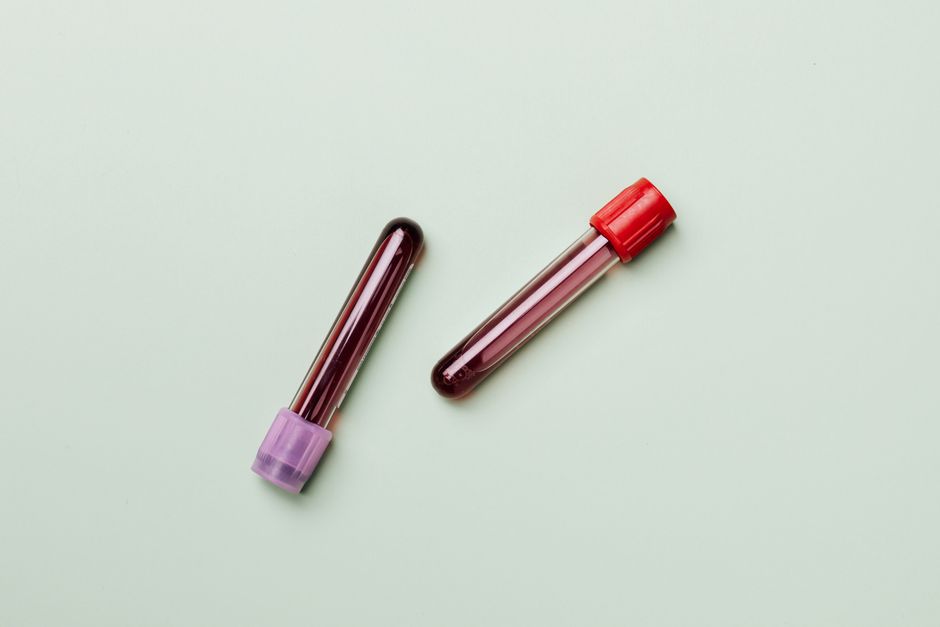
Capillary tubes collect small blood samples by drawing blood into a narrow tube through capillary action, usually from a finger prick. You fill the tube to the marked line, avoid air bubbles, and seal one end with clay or a cap before centrifugation or storage. The method is simple but has several points where errors creep in.
Capillary blood collection is used in clinics, pharmacies, and increasingly at home. It is a different technique from drawing blood from a vein with a needle and syringe. The principles are the same, but the handling is not.
What Are Capillary Tubes and How Do They Work?
A capillary tube is a thin glass or plastic tube with a small internal diameter. When one end touches a drop of blood, surface tension and capillary action pull the liquid into the tube without any suction. You do not squeeze or aspirate. The blood moves on its own.
The narrow bore is what makes this work. The same physical effect is why paper towels soak up spills. Blood is drawn into the tube because the attraction between the liquid and the tube wall is stronger than gravity.
Capillary tubes come in two main types. Heparinized tubes are coated on the inside with an anticoagulant so the blood does not clot. Plain tubes have no coating and are used when serum is needed, or when the sample will be tested quickly before clotting matters.
Some tubes are pre-marked with a fill line. Others are plain and you fill them by length. Most single-use capillary tubes hold small volumes, typically in the microliter range, though exact capacities vary by tube. Always follow the manufacturer’s fill instructions on the tube you are using.
There is a practical distinction worth knowing. A plain capillary tube is not interchangeable with a heparinized one. Using the wrong tube for a test that requires anticoagulated blood will give you a clotted sample and an invalid result.
How To Use Capillary Tubes For Sample Collection Step by Step
Prepare everything before you prick the skin. Blood starts clotting quickly, and fumbling for supplies after the puncture wastes the sample.
- Wash your hands with soap and warm water, then dry them.
- Gather the lancet, capillary tube, sealant or cap, and any collection container.
- Warm the puncture site. Warmth increases blood flow to the fingertip.
- Choose the side of the fingertip, not the pad. The side has fewer nerve endings and hurts less.
- Clean the site with an alcohol wipe and let it dry completely. Alcohol left on the skin can dilute the sample and sting.
- Prick with a single-use sterile lancet. Do not reuse lancets.
- Wipe away the first drop of blood if your instructions say to. The first drop can contain tissue fluid that dilutes the sample.
- Hold the capillary tube at a slight downward angle and touch the end to the blood drop.
- Let the tube fill by capillary action. Do not squeeze the finger hard or pump it.
- Fill to the marked line. Stop when the tube is full.
- Seal one end with clay, a cap, or the closure supplied with the tube.
- Mix gently if the tube contains an anticoagulant. Invert it a few times rather than shaking.
The single most common mistake is milking or squeezing the fingertip. Hard squeezing forces tissue fluid into the blood and can hemolyze red blood cells, which means they break open. Hemolysis can distort results for many tests, including potassium and other analytes.
Fill the tube in one continuous draw where possible. Partial fills and air gaps cause problems during centrifugation and can change the concentration of what you are measuring.
Why Does the Way You Fill the Tube Matter So Much?
Small samples amplify small errors. A tiny air bubble or a bit of tissue fluid matters far more in a capillary tube than in a full venous draw, because the total volume is so small.
Air bubbles are a specific problem. They can block the flow of blood during centrifugation and prevent proper separation. They can also cause the tube to break under centrifugal force. Tap the tube gently to dislodge bubbles before sealing, and refill if the bubble will not clear.
Anticoagulant ratio is another issue. Heparinized tubes are coated for a specific fill volume. If you underfill the tube, the ratio of anticoagulant to blood changes, and that can affect some test results. Overfilling has its own problems. Fill to the line the manufacturer specifies.
Mixing matters too. Blood that sits in a heparinized tube without gentle mixing can begin to clot in spots. A few gentle inversions distribute the anticoagulant. Vigorous shaking damages cells.
How Should You Handle and Store a Capillary Blood Sample?
Handle the tube gently and keep it upright or as your protocol directs. Many capillary samples are spun in a microcentrifuge to separate cells from serum or plasma. After spinning, the layers separate and the fluid portion can be analyzed or transferred.
Timing matters. Some tests need to run soon after collection. Others tolerate refrigeration for a period. Storage conditions depend on the specific test, so follow the instructions that come with your collection kit or your lab’s protocol rather than a general rule.
Label the tube before or immediately after collection. Unlabeled samples are a common source of error and are usually rejected by labs.
For at-home collection kits, the kit instructions are the authority. They are written for the specific test and the specific tube in the box. General advice online may not match what your kit requires.
What Are the Risks and Limitations of Capillary Collection?
Capillary collection is generally low risk. The main discomfort is the prick itself. Minor bruising or soreness at the site is possible.
The bigger limitation is sample quality and volume. Capillary samples are small, so there is less room for error and fewer repeat tests can be run from one draw. Hemolysis is more common with capillary collection than with venous draws, and it can make some results unreliable.
Some tests simply cannot be done well on a capillary sample. Certain assays need larger volumes or are sensitive to the differences between capillary and venous blood. Capillary blood is not identical to venous blood in every respect, and reference ranges are not always interchangeable between the two.
Infection control matters. Use a new sterile lancet every time and dispose of it in a sharps container. Never share lancets. Clean the site before puncture.
If you take blood-thinning medication, have a bleeding disorder, or are unsure whether self-collection is appropriate for you, talk to a clinician before doing it at home. That is a general safety point, not a substitute for individual medical advice.
What Mistakes Should You Avoid?
Most failed capillary collections trace back to a handful of avoidable errors.
- Squeezing or pumping the finger hard, which adds tissue fluid and can hemolyze cells.
- Using an alcohol wipe and pricking before the skin dries.
- Underfilling or overfilling the tube instead of hitting the marked line.
- Leaving air bubbles in the tube before sealing.
- Using a plain tube when the test needs an anticoagulated one.
- Shaking instead of gently inverting a heparinized tube.
- Letting the sample sit too long before processing.
- Forgetting to label the tube.
One clarification that surprises people: the depth of the lancet matters more than the force. A shallow lancet that barely reaches the capillary bed gives a poor drop, and people then squeeze to compensate. Choosing the right lancet depth for the fingertip gives a cleaner, freer drop and removes the temptation to squeeze.
When Should You Get Help?
Seek medical attention if bleeding from the puncture site does not stop with gentle pressure, if you develop signs of infection such as spreading redness, warmth, or pus, or if you feel faint or unwell after collection. These are uncommon with a simple finger prick but should not be ignored.
If a result from a home capillary sample looks unexpected, do not act on it alone. Repeat testing or confirmation with a venous draw through a clinician is the appropriate next step.
Frequently Asked Questions
Do capillary tubes fill on their own?
Yes. Capillary action pulls blood into the tube when the end touches a drop, so no suction is needed. Let the tube fill naturally and avoid squeezing the finger to speed it up.
Why is there an air bubble in my capillary tube?
Air gets trapped when the tube is not filled in one continuous draw or when the end lifts away from the blood drop. Tap gently to dislodge it, or refill if it will not clear, because bubbles can disrupt centrifugation.
Can I use a plain capillary tube for any blood test?
No. Plain tubes have no anticoagulant and are only suitable for tests that call for serum or rapid analysis. Tests that need anticoagulated blood require a heparinized tube.
Is squeezing the finger bad for a capillary sample?
Yes. Hard squeezing pushes tissue fluid into the blood and can break red blood cells, which can distort results. A warm fingertip and the right lancet depth give a better drop without squeezing.
