
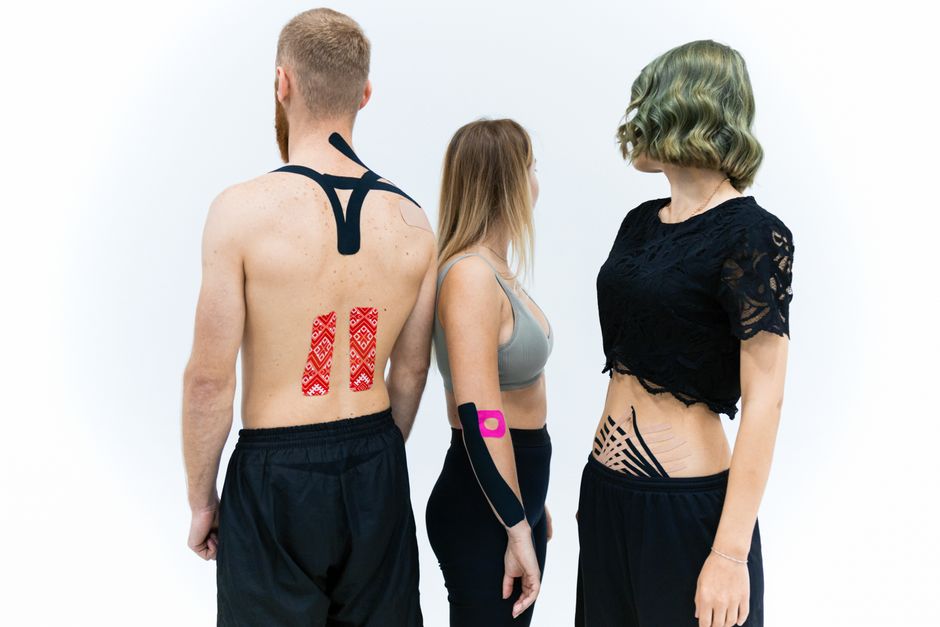
Body contour tape is an elastic adhesive tape you stick to your skin to create the appearance of a smoother, more defined shape under clothing. It does not change your body. It changes how clothing fits and how light and fabric sit on your body. To get the best results, start with clean, dry, lotion-free skin, apply the tape to skin that is pulled taut rather than stretched, and press the adhesive down firmly for several seconds so it grips. Remove it slowly and gently to protect your skin.
That is the honest version. The rest of this article explains how the tape actually works, where it helps, where it does not, and what to watch for so you do not end up with irritated skin or unrealistic expectations.
What Is Body Contour Tape and How Does It Actually Work?
Body contour tape is a stretchy fabric or foam tape with a skin-safe adhesive on one side. It is related to, but not the same as, kinesiology tape, which is used in sports and physical therapy. Contour tape is sold mainly for shaping and smoothing under clothing.
The mechanism is simple and entirely physical. The tape adheres to your skin and pulls on it. When you place it correctly, it lifts and repositions soft tissue — usually skin and the fat layer just beneath it — into a different position than gravity or your natural shape would hold it. The result is a smoother line under a dress, a strapless top, or a tight outfit.
It is worth being clear about what this is not. The tape does not burn fat. It does not tighten loose skin. It does not change muscle tone or body composition. Any change you see disappears when you take the tape off. This is a styling tool, not a body-changing one.
That distinction matters because a lot of marketing blurs it. If a product claims to reshape your body over time, that claim is not supported by how the tape physically works.
How To Use Body Contour Tape For Best Results
Preparation determines most of your result. The tape sticks to clean, dry, hair-free skin. Oils, lotions, sweat, and moisturizer residue all weaken the adhesive and cause peeling within hours.
Here is a sequence that works:
- Shower and dry off completely. Wait a few minutes so your skin is not damp.
- Do not apply lotion, sunscreen, or oil to the area first.
- Trim or shave body hair where you plan to place the tape. Hair gives the adhesive less surface to grip and makes removal painful.
- Plan your placement before you peel the backing. Hold the tape against your body to check the length and angle.
- Peel a short section of backing at a time rather than exposing the whole strip.
- Press the tape down and hold firm pressure for about 10 to 20 seconds. Friction and body heat help the adhesive set.
- Rub the edges down last. Lifting edges are the most common reason tape comes off early.
One detail people get wrong: do not stretch the tape so hard that it pulls your skin tight like a rubber band. Tension that is too high causes the tape to dig in, wrinkle, and peel. Apply it so the tape follows the contour of your body with light to moderate stretch, not maximum stretch.
If you are layering tape for a strapless or backless outfit, build from the bottom up and overlap strips slightly. Overlapping gives a smoother surface than placing strips side by side with gaps.
Where Does Body Contour Tape Work Best — and Where Does It Not?
Contour tape performs best on areas where you want to smooth a line or add lift under a specific garment. Common placements include the back for backless or low-back styles, the sides of the torso for a smoother waistline, and the chest area for lift under a strapless top.
It works less well on areas that move a lot or where skin folds against itself. Tape on the stomach or hips tends to shift and roll when you sit, bend, or sweat. That does not mean it cannot be used there. It means results are shorter-lived and you should expect to adjust it.
There is also a limit to how much the tape can do. It can smooth and lift. It cannot create volume that is not there or hold a shape against strong movement for many hours. If you need support for a long event with dancing, heat, or a lot of movement, plan for the tape to need attention.
How Long Can You Wear It and How Should You Remove It?
Most manufacturers suggest wearing body contour tape for a limited number of hours at a time, and the safe window depends on your skin, the adhesive, and how much you sweat. There is no universal clinical guideline that sets a single safe wear time for cosmetic contour tape. A reasonable approach is to follow the product’s own instructions and remove the tape sooner if you feel itching, burning, or pulling.
Do not sleep in contour tape unless the product specifically says it is designed for overnight wear. Overnight wear increases the time your skin is sealed under adhesive, which raises the risk of irritation.
Removal matters as much as application. Pulling tape off dry and fast is how people tear skin.
- Loosen the tape with warm water, or use an adhesive remover or oil designed for skin.
- Peel slowly and keep the tape close to your skin rather than pulling it straight up and away.
- Support your skin with your free hand as you peel.
- Wash the area gently afterward and let it breathe.
If your skin is red, raised, or itchy after removal, give it a break before applying tape again. Repeated application to irritated skin tends to make it worse.
What Are the Risks and Who Should Avoid It?
The main risk is skin irritation from the adhesive. This is common and usually mild — redness, itching, or a rash where the tape sat. It can be worse if you have sensitive skin or if you leave the tape on too long.
More serious problems are less common but real. These include allergic contact dermatitis, which is a genuine immune reaction to an adhesive ingredient, and skin tears or blistering from aggressive removal. People with very thin or fragile skin are at higher risk.
Some people should not use body contour tape at all:
- Anyone with an open wound, cut, rash, or active skin infection in the area.
- People with known adhesive or latex allergies, unless the product is confirmed free of the ingredient they react to.
- People with fragile skin, easy bruising, or conditions that make skin tear easily.
- Anyone who has had a recent reaction to tape or adhesives.
If you are pregnant, breastfeeding, or managing a chronic skin condition, ask a clinician before using cosmetic adhesive tape. There is no specific safety data for these groups for this type of product, so the cautious move is to check first.
If you develop spreading redness, swelling, blistering, or pain, stop using the tape and see a doctor. Those signs go beyond ordinary irritation.
Does Body Contour Tape Live Up to the Marketing Claims?
No, not the big ones. Claims that contour tape shapes your body, reduces fat, or produces lasting change are not supported by evidence. The tape works by repositioning skin and soft tissue while it is on. That effect ends when you remove it.
What the tape can honestly deliver is a smoother appearance under clothing for a defined period. That is a real benefit for a specific outfit or event. It is not a body transformation.
It also is not a substitute for well-fitted clothing or proper undergarments. In many cases, a good bra or shapewear designed for the outfit will be more reliable and more comfortable than tape. Tape has an advantage in situations where undergarments would show — backless, strapless, or deeply cut styles — and that is where it earns its place.
The most useful mindset is to treat contour tape like a styling accessory. It solves a specific problem: how to look smooth under a garment that leaves no room for traditional support. Used that way, with realistic expectations and careful skin care, it does its job well.
Frequently Asked Questions
How long does body contour tape stay on?
It typically holds for several hours, but how long depends on your skin, sweat, and movement. There is no single safe wear time set by clinical guidelines, so follow the product instructions and remove it if you feel irritation.
Can I shower or swim with body contour tape on?
Brief contact with water is usually fine, but prolonged soaking and chlorine can weaken the adhesive and cause lifting. If you plan to swim or sweat heavily, expect the tape to loosen sooner.
Is body contour tape safe for sensitive skin?
It can irritate sensitive skin because the adhesive stays sealed against your skin for hours. If you have reacted to adhesives or bandages before, test a small strip first and avoid using it on broken or irritated skin.
Does body contour tape actually change your body shape?
No. It repositions skin and soft tissue while worn, which can smooth your appearance under clothing. Any change disappears once you remove the tape, and it does not reduce fat or tighten skin.
