
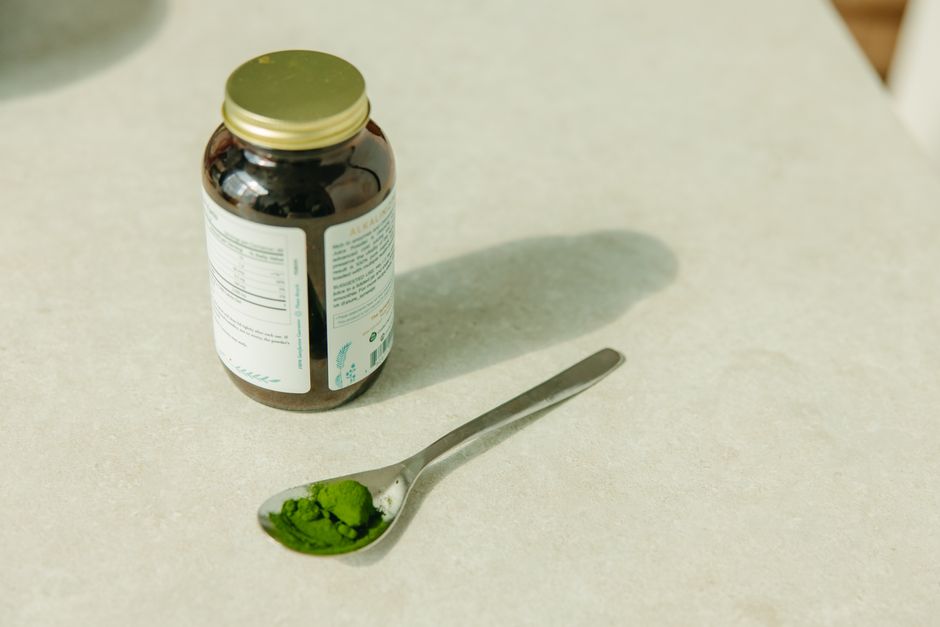
Black seed powder comes from the seeds of Nigella sativa, a plant native to parts of Asia and the Mediterranean. People have used it for centuries in traditional medicine. Today, it is a popular supplement for digestion, inflammation, and immune support. The most practical way to use it is to mix a small amount into food or drink. Most research uses doses between 1 and 3 grams of powder per day, though the evidence base for specific conditions varies. Safety concerns are real, especially if you take blood thinners or have an autoimmune condition. This guide covers how to take it, how much to use, and who should avoid it.
What Is Black Seed Powder and How Does It Work?
Black seed powder is simply the ground seeds of Nigella sativa. It contains a compound called thymoquinone. This is the main active ingredient studied in most research. Thymoquinone has antioxidant and anti-inflammatory properties in laboratory studies.
Scientists have studied it for many conditions, including asthma, diabetes, and arthritis. The results are promising in some areas but not conclusive. The compound also appears to influence blood sugar regulation and cholesterol levels in some human trials. However, most studies are small and short-term. Larger, longer trials are still needed to confirm these effects.
The powder form is one of several ways to consume black seed. You can also buy the oil or whole seeds. Powder is convenient because you can mix it into food easily. It has a slightly bitter, peppery taste that many people compare to oregano or onion.
How To Use Black Seed Powder Doses Uses Safety?
The most common way to take black seed powder is to mix it into food or a drink. Many people stir it into yogurt, honey, smoothies, or warm water. You can also add it to sauces, soups, or salad dressings. The taste is strong, so start with a small amount.
Most clinical studies use between 1 and 3 grams of powder per day. This equals roughly half a teaspoon to one teaspoon. It is usually divided into two or three doses taken with meals. Taking it with food may reduce stomach upset and improve absorption.
Cooking with the powder is also acceptable. Heat does not appear to destroy the active compounds, though research on this is limited. If you use it in cooking, add it near the end of preparation to preserve flavor and potency.
Start with a lower dose, such as half a gram per day, and increase gradually over a week. This helps you check for any digestive discomfort or allergic reaction. If you have no issues, you can work up to a full daily dose.
What Are the Proven Health Benefits?
Black seed has been studied for several specific health conditions. The evidence is strongest for a few areas, but none of the findings are dramatic enough to call black seed a treatment on its own.
Blood sugar control. Some studies suggest black seed powder may help lower fasting blood sugar and hemoglobin A1c in people with type 2 diabetes. The effect appears modest. It is not a substitute for diabetes medication. If you take medication for blood sugar, monitor your levels carefully when starting black seed.
Cholesterol and blood pressure. Several small trials found reductions in total cholesterol and LDL cholesterol with daily black seed use. Blood pressure reductions have also been reported in some studies. The changes are typically small to moderate. They may be meaningful for people with borderline levels, but they will not replace lifestyle changes or prescribed medications.
Asthma and respiratory symptoms. Some research suggests black seed may help improve lung function in people with asthma. One well-known study from the late 1990s found improvements in asthma symptoms with daily black seed use. The evidence is limited but supportive enough that some clinicians mention it as a possible complementary option.
Inflammation and joint pain. Laboratory and animal studies consistently show anti-inflammatory effects. Human trials are fewer. Some small studies report reduced joint pain and stiffness in people with rheumatoid arthritis. The effects are not large enough to recommend black seed instead of standard arthritis treatment.
None of these benefits are guaranteed for every person. Individual responses vary. The research base is real but not robust enough to make strong clinical claims.
What Is the Right Dose and How Long Should You Take It?
There is no official recommended daily allowance for black seed powder. No regulatory agency has established a standard dose. The amounts used in studies are the best guide you have.
Most human trials use 1 to 3 grams of powder daily. The lower end, around 1 gram, is a reasonable starting point. The upper end, around 3 grams, is used in some diabetes and cholesterol studies. Doses above 3 grams have been used in some research, but safety data is thinner at higher amounts.
Studies typically run for 4 to 12 weeks. There is little research on continuous use for many months or years. A reasonable approach is to use it for a defined period, such as 8 to 12 weeks, then take a break. This is a common practice with herbal supplements, though it is not based on specific clinical guidelines for black seed.
No clinical guidelines currently exist for long-term daily use. If you plan to take it for more than three months, discuss it with your healthcare provider.
Who Should Avoid Black Seed Powder?
Black seed is not safe for everyone. Several groups should avoid it or use it only under medical supervision.
Pregnant women. Black seed may affect uterine contractions. Some traditional uses include black seed to induce labor. There is no reliable safety data for use during pregnancy. Avoid it during pregnancy unless a healthcare provider advises otherwise.
People on blood thinners. Thymoquinone may slow blood clotting. This could increase the risk of bleeding, especially if you take warfarin, apixaban, or other anticoagulants. Some research suggests black seed may interact with these medications. Talk to your doctor before combining them.
People with autoimmune conditions. Black seed appears to stimulate the immune system in some ways. This could worsen conditions like multiple sclerosis, lupus, or rheumatoid arthritis. The evidence here is theoretical rather than proven, but caution is warranted.
People with low blood pressure. Black seed can lower blood pressure. If your blood pressure runs low, or you take blood pressure medication, adding black seed could push it too low. Monitor your readings if you decide to use it.
People preparing for surgery. Stop taking black seed at least two weeks before any scheduled surgery. The potential effect on blood clotting and blood pressure makes this a standard precaution with many herbal supplements.
Are There Side Effects?
Side effects are generally mild when black seed is used in normal food amounts or study doses. The most common complaints are stomach upset, nausea, and bloating. These are more likely at higher doses.
Allergic reactions are possible though uncommon. If you are allergic to plants in the Ranunculaceae family, you may be more likely to react to black seed. Symptoms would include rash, itching, or swelling. Stop use immediately if you notice any of these.
At very high doses, black seed can be toxic. One case report described liver and kidney damage in a person who took a large dose daily for several months. This is an isolated report, but it is a reminder that more is not better.
Black Seed Oil vs. Powder: Which Is Better?
Powder and oil are the two most common forms. They contain slightly different profiles of active compounds. The oil is more concentrated in thymoquinone per gram. The powder contains fiber and other seed components that the oil lacks.
Clinical studies use both forms. There is no clear evidence that one is superior for most purposes. The powder is easier to add to food. The oil is easier to take in precise drops but has a very strong taste.
If you choose the oil, the typical dose in studies is 1 to 3 teaspoons per day. Some people take it directly, while others mix it into tea or juice. The oil is more likely to cause stomach upset than the powder.
Choose the form you are more likely to use consistently. Consistency matters more than which form you pick.
How To Choose a Quality Product
Supplements are not regulated the same way medications are. The quality of black seed powder varies by brand. Some products may be diluted, old, or contaminated.
Look for products that list the botanical name Nigella sativa clearly on the label. Third-party testing seals, such as those from USP or NSF, indicate the product has been checked for purity and accurate labeling. Not all good products have these seals, but they are a useful signal.
Buy from reputable brands with a track record of third-party testing. Avoid products with vague labels that do not specify the amount of powder per serving. Check the expiration date. Black seed powder can go rancid, especially if stored in warm or humid conditions.
Store the powder in an airtight container in a cool, dark place. Refrigeration can extend its shelf life. Discard it if it develops an off smell or taste.
Does Black Seed Interact With Medications?
Yes, black seed can interact with several types of medication. The most important interactions involve blood thinners and blood pressure drugs.
Black seed may enhance the effects of anticoagulants like warfarin. This could increase bleeding risk. It may also enhance the effects of blood pressure medication, leading to excessively low blood pressure.
There is also a theoretical interaction with diabetes medications. Because black seed may lower blood sugar, combining it with insulin or oral diabetes drugs could cause hypoglycemia. Monitor your blood sugar closely if you take both.
Black seed may affect how the liver processes certain drugs. It appears to influence cytochrome P450 enzymes, which break down many medications. This could alter drug levels in the blood. The clinical significance of this is not well studied. If you take prescription medication, check with your pharmacist or doctor before adding black seed.
Frequently Asked Questions
Can I take black seed powder every day?
Yes, daily use at 1 to 3 grams is common in clinical studies. The longest trials run about 12 weeks, so long-term safety beyond that is not well established.
Is black seed powder safe for pregnant women?
No, pregnant women should avoid black seed powder. It may affect uterine contractions, and no reliable safety data exists for use during pregnancy.
How long does it take for black seed powder to work?
Most studies measure effects after 4 to 12 weeks of daily use. Some people notice changes sooner, but the research base points to weeks rather than days.
Can I take black seed powder with blood thinners?
No, you should not combine them without medical supervision. Black seed may slow blood clotting and increase bleeding risk when taken with anticoagulants.
