
Betamethasone dipropionate lotion is a prescription corticosteroid that some dermatologists prescribe for inflamed scalp conditions that affect hair growth. It is not a hair growth product. It reduces inflammation in the scalp, and in specific conditions like scalp psoriasis or severe seborrheic dermatitis, calming that inflammation can allow hair to regrow. You apply it thinly to the affected scalp areas only, usually once or twice daily as directed, and you use it exactly as your prescriber instructs. Never apply it to your face, and never use it longer than directed without your doctor’s review.
What Is Betamethasone Dipropionate Lotion?
Betamethasone dipropionate is a potent synthetic corticosteroid. It is available in several forms — cream, ointment, gel, and lotion — and the lotion form is often chosen for the scalp because it spreads easily through hair and reaches the skin underneath.
Corticosteroids like this work by suppressing inflammation. They reduce the immune activity and swelling in the skin that drive conditions such as psoriasis and eczema. On the scalp, that inflammation can interfere with the hair follicle’s normal growth cycle and, in some cases, cause temporary shedding or patchy hair loss.
It is important to be clear about what this medication is not. Betamethasone dipropionate is not a treatment for common pattern baldness (androgenetic alopecia). It does not stimulate hair follicles the way minoxidil does. Its role in hair is indirect — it treats the scalp condition that may be contributing to hair problems.
The lotion form is classified as a potent topical steroid. That potency matters. It means the medication is effective but also carries a higher risk of side effects than mild steroids, especially with prolonged use or use over large areas.
How To Use Betamethasone Dipropionate Lotion For Hair?
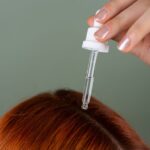
Apply the lotion only to the areas of scalp your prescriber has identified as affected. Part your hair to expose the skin, then apply a thin film directly to the scalp — not to the hair shafts. A common mistake is rubbing it into the hair itself, which wastes the medication and does not treat the skin.
Wash your hands before and after application unless your hands are among the treated areas. Avoid getting the lotion in your eyes. If it does get in your eyes, rinse thoroughly with cool water.
Most prescriptions direct once or twice daily use, but you should follow your own prescription exactly — frequency varies by condition and by your doctor’s judgment. Do not apply extra to make up for a missed dose, and do not stop suddenly if you have used it for an extended period without checking with your doctor first.
Do not cover the treated area with bandages, tight caps, or occlusive dressings unless your doctor specifically instructs you to. Covering the scalp increases absorption and the risk of side effects.
Do not use it on broken skin, open sores, or infected areas. If your scalp looks infected — oozing, crusting with pus, or unusually tender — contact your doctor before continuing, because steroids can mask or worsen certain infections.
How Long Should You Use It?
Topical corticosteroids are generally intended for short-term use, and potent ones like betamethasone dipropionate are typically used for limited periods. The exact duration should come from your prescriber, not from a general rule, because it depends on the condition, the area treated, and how your skin responds.
Prolonged use of potent topical steroids on the scalp carries real risks. These include skin thinning (atrophy), stretch marks, and in rare cases suppression of the body’s own cortisol production when used over large areas for long periods. Scalp skin is thicker than facial skin, which offers some protection, but the risk is not zero.
If your condition has not improved within the timeframe your doctor specified, do not simply keep using it indefinitely. Call your doctor. Ongoing symptoms may mean the diagnosis needs revisiting or a different treatment approach is needed.



Does It Regrow Hair?
Only in specific situations, and indirectly. If your hair loss is caused by an inflammatory scalp condition — scalp psoriasis, severe seborrheic dermatitis, or certain forms of scarring and non-scarring inflammatory alopecia — reducing that inflammation can allow hair to regrow naturally.
If your hair loss is genetic (pattern baldness), hormonal, or due to other causes, betamethasone will not regrow hair. The evidence does not support using topical steroids for androgenetic alopecia. Using a potent steroid on a scalp that does not need it exposes you to side effects with no benefit.
This is where many people go wrong. They hear “steroid” and assume it is a hair loss treatment. It is a treatment for scalp inflammation. The distinction matters for whether it will help you at all.
What Are the Side Effects?
Local skin reactions are the most common side effects. These can include burning, stinging, itching, dryness, and irritation at the application site. Some people develop folliculitis — small inflamed bumps around hair follicles.
With longer use or higher absorption, more serious effects become possible:
- Skin thinning and visible blood vessels (telangiectasia)
- Changes in skin pigmentation
- Stretch marks
- Suppression of adrenal function with extensive, prolonged use
- Worsening of untreated skin infections
Stop using the lotion and contact your doctor if you develop signs of a skin infection, severe irritation, or any reaction that concerns you. Allergic contact dermatitis to the medication or its ingredients is uncommon but possible.
What Else Should You Know Before Using It?
Tell your doctor about all other medications and scalp products you use. Some medicated shampoos and treatments can interact with or irritate skin already sensitized by a steroid.
Do not share this medication with anyone else, even if they have a similar-looking scalp problem. Potent steroids are prescribed for specific conditions and specific people. Using someone else’s prescription can cause harm.
If you are pregnant, planning pregnancy, or breastfeeding, discuss this with your doctor before use. Topical steroids are absorbed into the body, and the safety profile in pregnancy and breastfeeding depends on the amount used and the area treated. No general guideline covers every situation — this needs an individual assessment.
Keep the lotion away from children. Potent topical steroids are not appropriate for young children without specific pediatric guidance, and accidental exposure should prompt a call to poison control.
Frequently Asked Questions
Can I use betamethasone dipropionate lotion every day?
Follow your prescription exactly, which is usually once or twice daily for a limited period. Do not extend daily use beyond what your doctor directed without checking in first.
Will betamethasone lotion help with male pattern baldness?
No. It treats scalp inflammation, not genetic hair loss, and the evidence does not support its use for androgenetic alopecia.
Can I use betamethasone lotion on my face or body?
No, unless your doctor specifically prescribes it for those areas. The lotion is potent, and facial skin is thinner and more vulnerable to steroid side effects.
What happens if I stop using it suddenly?
Stopping after short-term use is generally fine, but stopping after prolonged use can cause a flare of your condition or a withdrawal reaction. Ask your doctor how to taper if you have used it for an extended period.
