
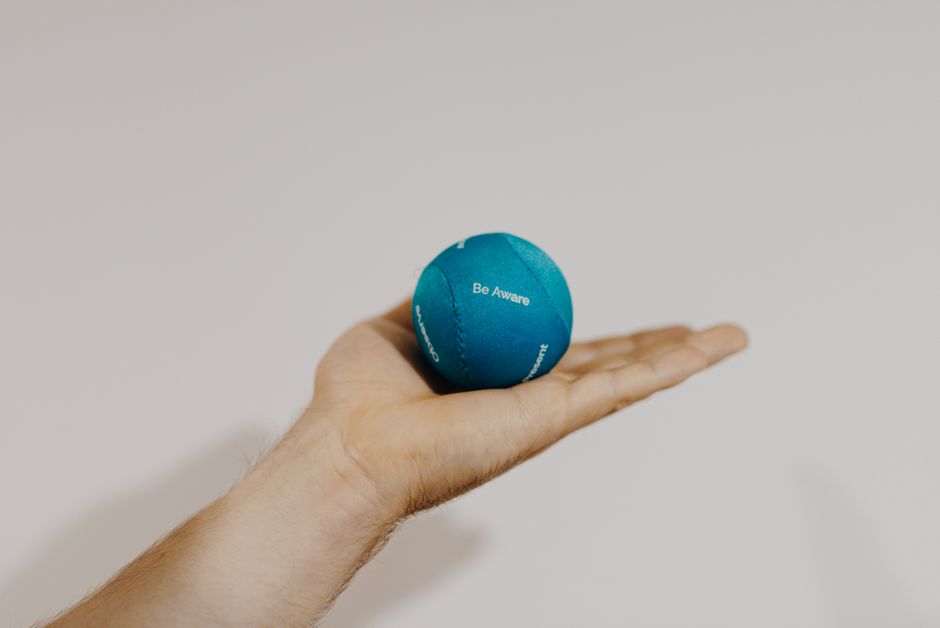
Ben wa balls are small, weighted spheres inserted into the vagina. To use them, you insert one or more balls and hold them in place using your pelvic floor muscles. Most guides recommend starting with a single lighter ball, wearing it for short periods, and gradually increasing weight or duration as your muscles adapt. This guide explains the anatomy involved, a step-by-step approach, realistic expectations, and the safety points that matter.
What Are Ben Wa Balls and How Do They Work?
Ben wa balls are a type of vaginal weight. They are typically made of silicone, metal, or glass and range from very light to fairly heavy. Some are a single ball, some come in pairs connected by a string or cord, and some contain a smaller inner ball that shifts when you move.
The idea behind them is straightforward. When you insert a weighted object into the vagina, your pelvic floor muscles — the layer of muscle that supports the bladder, uterus, and rectum — must work to hold it in place. The theory is that this resistance trains those muscles the way a dumbbell trains an arm.
That theory is reasonable, but the evidence is thinner than the marketing suggests. Pelvic floor muscle training (often called Kegel exercises) is well established for conditions like stress urinary incontinence, and it is the first-line approach many clinicians recommend. Whether adding a weighted ball improves on doing Kegels without one is less clear. Some studies suggest vaginal weights may help some women, but the research is not consistent, and many trials are small. Treat ben wa balls as a possible add-on to pelvic floor training, not a proven standalone treatment.
How To Use Ben Wa Balls: A Step-by-Step Approach
Insertion is simple in principle. The details are what make it comfortable and safe.
- Start light. Choose the lightest ball you can find. Heavier is not better at the beginning. If you have never used one, a single small ball is the sensible starting point.
- Wash it first. Clean the ball with warm water and mild soap, or follow the manufacturer’s cleaning instructions for that material. Rinse well and dry it.
- Relax and lubricate. A water-based lubricant makes insertion easier and reduces friction. Lie down or squat, whichever feels more comfortable. Relax your pelvic floor rather than clenching before insertion.
- Insert gently. Guide the ball into the vagina and push it in far enough that it sits comfortably. You should not feel it pressing on the vaginal opening.
- Hold it with your muscles. Once it is in, gently squeeze your pelvic floor muscles to keep it in place. This squeezing is the actual exercise.
- Keep sessions short at first. Start with a few minutes. Many guides suggest building up gradually, but there is no single evidence-based schedule that applies to everyone.
- Remove it when you are done. If your ball has a cord, pull gently. If it does not, relax, wash your hands, and gently bear down as you would during a bowel movement to help it move down, then remove it with your fingers.
- Clean it again after use. Wash and dry it before storing.
One practical point that gets overlooked: a ball with no retrieval cord can be harder to remove, especially for beginners. If you are new to this, a corded option is the safer choice.
Do Ben Wa Balls Actually Strengthen Pelvic Floor Muscles?
The honest answer is that the evidence is limited and mixed. Pelvic floor muscle training itself is well supported. Research consistently shows that structured Kegel exercises can improve stress urinary incontinence and pelvic floor strength in many women. What is less certain is whether a weighted ball produces better results than doing the exercises without one.
Some studies suggest vaginal weights can be a useful tool, particularly for women who find it hard to identify their pelvic floor muscles or stay motivated with plain exercises. Other research has not found a clear advantage. The trials tend to be small, and the methods vary a lot, which makes firm conclusions difficult.
There is also a mechanical question worth understanding. Simply holding a ball in place uses your muscles, but the quality of that contraction matters. A conscious, deliberate Kegel — squeeze, hold, release — is generally considered more effective training than passive holding. If you use a ball, pairing it with deliberate contractions makes more sense than just wearing it.
If you have a diagnosed pelvic floor condition, such as incontinence or pelvic organ prolapse, a pelvic floor physical therapist can assess your muscles and give you a program tailored to you. That is more reliable than any device bought online.





What Are the Risks and Safety Considerations?
Ben wa balls are generally low-risk when used sensibly, but there are real considerations.
Infection. Anything inserted into the vagina needs to be clean. Wash the ball before and after each use. Do not share it. If you develop unusual discharge, odor, itching, or pain, stop using it and see a clinician.
Retention. A ball without a cord can get lodged. This is uncommon but happens. If you cannot remove it, do not panic and do not keep digging aggressively. Seek medical help. It is a routine situation for clinicians and nothing to be embarrassed about.
Muscle fatigue and soreness. Overdoing it can leave your pelvic floor sore or tired. This is one reason to start with short sessions and light weights. More is not better here.
Pelvic pain and pelvic floor dysfunction. Some people have pelvic floor muscles that are already too tight (a condition sometimes called hypertonic pelvic floor). For them, adding resistance can make symptoms worse. If you have pelvic pain, pain with intercourse, or difficulty emptying your bladder or bowels, talk to a clinician before using any vaginal weight.
Pregnancy and postpartum. Guidance for pregnant and postpartum women varies, and no universal clinical guidelines exist for ben wa ball use in this group. Speak with your obstetric provider or a pelvic floor physical therapist before using them during pregnancy or after birth.
Do not use them as contraception. Ben wa balls do not prevent pregnancy or sexually transmitted infections. No study supports them for either purpose.
How Do You Choose the Right Ben Wa Balls?
Material and weight are the two decisions that matter most.
Material. Silicone is a common choice because it is easy to clean, non-porous, and body-safe. Metal and glass are also used and can be cleaned thoroughly. Avoid porous materials you cannot properly disinfect. Check the manufacturer’s cleaning instructions for whatever you buy.
Weight. Start lighter than you think you need. You can always move up. A ball that is too heavy can cause discomfort or make it hard to hold, which defeats the purpose.
Cord or no cord. A retrieval cord makes removal much easier. For beginners, this is the practical pick.
Size. Smaller balls are generally easier for beginners. Larger ones are not automatically better.
Be skeptical of bold marketing claims. Products sold online sometimes promise to “tighten” the vagina or improve sexual function. No strong clinical evidence confirms that ben wa balls do either. Vaginal tissue and muscle tone are not something a small ball reliably reshapes.
How Often Should You Use Them?
There is no universally agreed schedule, and no clinical guideline sets a standard frequency for ben wa ball use. That is an honest limitation, not a gap in this article.
A reasonable general approach is to start with short sessions a few times a week and see how your muscles respond. If you feel soreness or fatigue, cut back. Pelvic floor muscles need rest to recover, just like other muscles. Daily heavy use is not necessary and may not be helpful.
If your goal is strengthening, consistency over weeks matters more than intensity on any single day. If you are using them to address a specific problem like leakage, a pelvic floor physical therapist can give you a plan grounded in your own assessment rather than a generic schedule.
When Should You Talk to a Clinician?
Talk to a healthcare provider before using ben wa balls if you have pelvic pain, pain during sex, a known pelvic floor disorder, recent pelvic surgery, or you are pregnant or postpartum. Also check first if you have trouble removing a tampon or have had a retained object before.
Stop using them and seek care if you develop pain, bleeding, unusual discharge, or cannot remove the ball. These are not reasons to be embarrassed. Clinicians deal with retained vaginal objects routinely.
If your goal is treating incontinence or prolapse, start with a clinician rather than a product. Pelvic floor muscle training is well established, and a professional can confirm you are doing the exercises correctly. Many people squeeze the wrong muscles without realizing it, and that is exactly the kind of thing an assessment catches.
Frequently Asked Questions
How long should you leave ben wa balls in?
Start with just a few minutes and build up gradually as your muscles adapt. There is no single evidence-based duration that applies to everyone, so stop if you feel soreness or fatigue.
Can ben wa balls get stuck?
They can, especially balls without a retrieval cord. If you cannot remove one, seek medical help rather than digging aggressively, as clinicians handle this routinely.
Do ben wa balls really tighten the vagina?
No strong clinical evidence confirms that they tighten vaginal tissue. They may help train pelvic floor muscles, but the research on whether they outperform plain Kegel exercises is mixed.
Can you sleep with ben wa balls in?
It is not recommended. Leaving a ball in for long periods raises the risk of discomfort and infection, and there is no benefit to sleeping with one in.
