
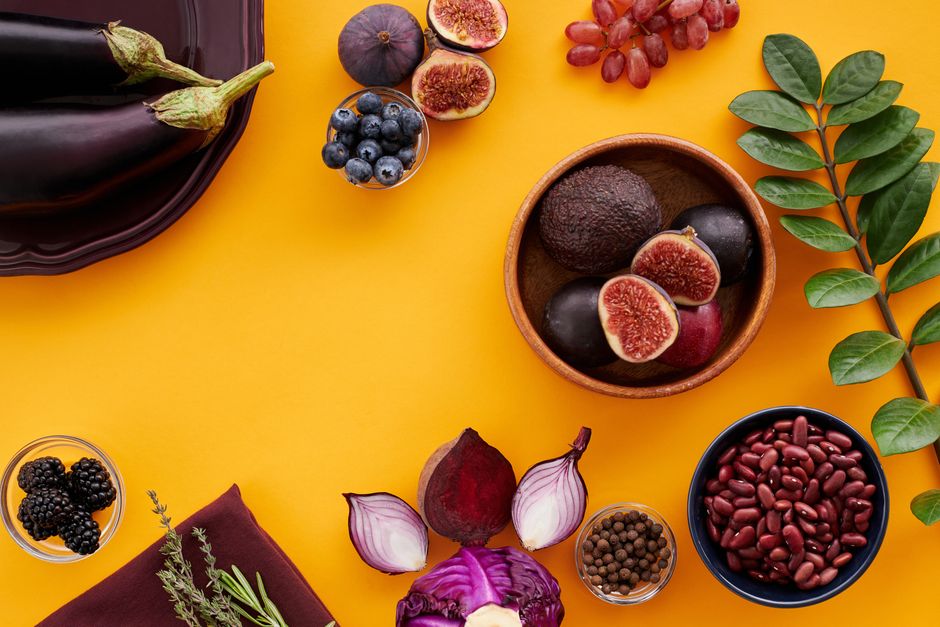
Beetroot is one of the few foods with a direct, measurable effect on blood pressure. The reason is nitrate, a compound beets store in high amounts. Your body converts that nitrate into nitric oxide, a molecule that relaxes and widens blood vessels. Research on beetroot juice has found modest reductions in systolic blood pressure in some studies, though the size and duration of the effect vary. Beetroot is not a replacement for prescribed medication. It works best as one part of an overall approach to blood pressure control.
How Does Beetroot Lower Blood Pressure?
The mechanism is well understood and has been studied for decades. It works like this:
- Beets are rich in dietary nitrate.
- Bacteria on your tongue convert nitrate into nitrite.
- Your body converts nitrite into nitric oxide.
- Nitric oxide signals the smooth muscle in your artery walls to relax.
- Relaxed arteries widen, which lowers the pressure inside them.
This nitrate-to-nitrite-to-nitric-oxide pathway is separate from the one your body uses for other purposes. It depends on bacteria in your mouth. That detail matters more than most people realize. Antibacterial mouthwash can wipe out those bacteria and blunt the blood pressure effect of beetroot. So can certain antacid medications. If you use mouthwash right after drinking beet juice, you may be reducing the benefit.
Nitric oxide also supports the lining of your blood vessels, called the endothelium. A healthier endothelium tends to mean better blood pressure regulation over time. This is established physiology, not speculation.
How To Use Beetroot For High Blood Pressure
The most studied form is beetroot juice, not the vegetable eaten whole. That is because juice delivers a concentrated dose of nitrate quickly. Here are the practical options, from most studied to least.
Beetroot juice
Clinical studies have most often used concentrated beetroot juice, sometimes called a “shot,” providing roughly 300 to 500 milligrams of nitrate per serving. This is the form with the most direct evidence behind it. The effect on blood pressure typically appears within a few hours and can last several hours after a single dose. Daily intake over one to two weeks has been studied for longer-lasting effects, though results vary between people.
If you are juicing fresh beets at home, the nitrate content depends on the beet, the soil, and how it was grown. You cannot easily know the exact amount. Commercial concentrated shots list nitrate content on the label, which makes dosing more predictable.
Whole cooked beets
Eating whole beets gives you nitrate along with fiber and other nutrients. The trade-off is that you get less nitrate per serving than a concentrated juice shot. A typical serving of cooked beetroot provides a smaller nitrate dose. It is a reasonable everyday food, but it is not the same as the studied juice doses.
Beetroot powder
Powder is convenient and shelf-stable. Quality varies widely. Some powders contain meaningful nitrate; others contain very little by the time they reach you, because nitrate can degrade over time and with heat. Check whether the label states the nitrate content. If it does not, you have no reliable way to know what you are getting.
How Much Beetroot Do You Need?
There is no official recommended dose of beetroot for blood pressure. The amounts used in research are not the same as a government or clinical guideline. This is an important distinction. What follows describes what studies have used, not a prescription.
Most clinical studies have used beetroot juice providing around 300 to 500 milligrams of nitrate per day. Some have used more. The blood pressure reduction seen in these studies has generally been modest — often in the range of a few points of systolic pressure — and it has not been consistent across every study or every person.
More is not clearly better. Very high nitrate intake has not been shown to produce proportionally larger benefits. Start with a sensible amount and pay attention to how your body responds.



Does Beetroot Actually Lower Blood Pressure?
The evidence is real but modest, and it is worth being precise about it. Some studies show a measurable drop in systolic blood pressure after beetroot juice. Others show little or no effect. The results vary by dose, by how long people took it, and by the individual.
The reductions reported in research are generally smaller than what you would expect from a blood pressure medication. That does not make beetroot useless. It means beetroot is a supporting player, not the main treatment.
One honest limitation: many beetroot studies are small and short. Small studies can overstate effects. Larger, longer trials would give a clearer picture, and those are still limited. So the direction of the evidence is encouraging, but the size of the benefit should not be oversold.
Can Beetroot Replace Blood Pressure Medication?
No. This is the most important point in this article. Beetroot has not been shown to control high blood pressure on its own, and it is not a substitute for prescribed medication.
Stopping or reducing blood pressure medication without medical guidance can be dangerous. High blood pressure often has no symptoms, so you may feel fine while your pressure climbs back up. Uncontrolled high blood pressure raises the risk of heart attack, stroke, kidney damage, and other serious problems. If you want to try beetroot alongside your current treatment, tell your doctor. Do not change your medication on your own.
Who Should Be Careful With Beetroot?
Beetroot is a food, and for most people it is safe in normal amounts. But a few groups should be cautious.
- People with kidney disease. Beetroot is high in oxalates, which can contribute to kidney stones in people prone to them. If you have kidney problems, ask your doctor before using concentrated beetroot products.
- People taking blood pressure medication. Because beetroot can lower blood pressure, combining it with medication could push your pressure too low in some cases. This is a reason to involve your doctor, not a reason to avoid it entirely.
- People taking nitrate medications. Some heart medications contain nitrates. Combining them with high nitrate intake has not been well studied. Talk to your doctor first.
- People with low blood pressure. If your pressure already runs low, adding beetroot may not be wise.
Beetroot can also turn your urine and stool pink or red. This is harmless and expected. It can be alarming if you do not know it is coming.
Beetroot vs. Other Nitrate-Rich Foods
Beetroot gets the most attention, but it is not the only nitrate-rich food. Leafy greens like arugula, spinach, and lettuce also contain nitrate. In fact, some greens contain more nitrate per serving than beets do.
So why does beetroot get the spotlight? Because it is easy to concentrate into juice and shots, which makes it practical to study and to use. That is a matter of convenience, not unique chemistry. If you dislike beets, leafy greens are a reasonable alternative source of dietary nitrate.
What matters for blood pressure is total nitrate intake from food, along with the overall pattern of your diet. No single food carries the whole load.
What Else Matters For Blood Pressure
Beetroot is a small piece of a larger picture. Blood pressure responds to many things, and food is only one of them.
- Reducing sodium intake is one of the most well-established steps.
- Regular physical activity has a consistent effect on blood pressure.
- Maintaining a healthy weight matters.
- Limiting alcohol helps.
- Not smoking protects your blood vessels.
- Managing stress and sleep supports overall cardiovascular health.
A dietary pattern like the DASH eating plan has strong evidence behind it for lowering blood pressure. Beetroot can fit within that pattern, but it does not replace it. Think of beetroot as one tool among several, not a shortcut around the basics.
Frequently Asked Questions
How much beetroot juice should I drink for blood pressure?
There is no official recommended dose. Most studies have used beetroot juice providing around 300 to 500 milligrams of nitrate per day, but this is a research amount, not a clinical guideline. Ask your doctor what is appropriate for you.
How long does beetroot take to lower blood pressure?
The effect can appear within a few hours after a single serving and may last several hours. Effects from daily use over one to two weeks have been studied, but results vary between people.
Can I stop my blood pressure medication if I drink beetroot juice?
No. Beetroot has not been shown to control high blood pressure on its own and is not a substitute for prescribed medication. Never change or stop your medication without talking to your doctor first.
Does beetroot powder work as well as beetroot juice?
Not necessarily. Powder quality varies widely, and some products contain little nitrate by the time they reach you. Check whether the label states the nitrate content before relying on it.
