
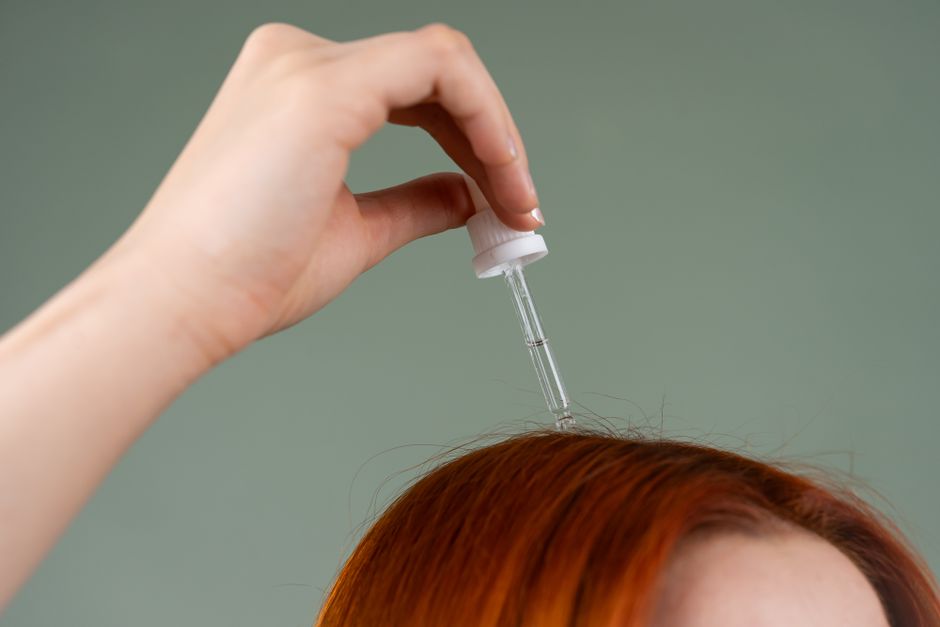
Batana oil comes from the American oil palm, and it has become a popular natural remedy for hair loss and breakage. To use it for hair growth, you warm a small amount of oil, massage it into your scalp for several minutes, and leave it on for at least 30 minutes or overnight before washing it out. You should repeat this process two to three times per week for several months to see any potential change.
What Is Batana Oil and Where Does It Come From?
Batana oil is pressed from the fruit of the American oil palm, a tree native to Central and South America. The oil is traditionally produced by indigenous communities in Honduras, where it is often called “liquid gold” for its rich golden-brown color and its reputation as a beauty treatment.
The oil is extracted by boiling the palm nuts and skimming the oil from the surface. It is naturally high in fatty acids, which help condition the hair. It also contains vitamin E, a known antioxidant, and carotenoids, which give the oil its dark color. These components are why many people believe the oil can improve hair health.
It is important to note that batana oil is not the same as palm oil found in grocery stores. The American oil palm is a different species from the African oil palm used in commercial food production. The processing method also differs, which changes the oil’s properties.
Does Batana Oil Actually Grow Hair?
The short answer is that no large human studies have confirmed batana oil grows hair. The evidence for its effectiveness comes from traditional use and anecdotal reports, not clinical trials.
What the science does show is that certain compounds in the oil may support hair health. The fatty acids in batana oil can reduce protein loss from the hair shaft. This is the same mechanism that makes other plant oils, like coconut oil, useful for hair care. Healthier hair strands are less likely to break, which can make hair appear thicker and longer over time.
Some research suggests that vitamin E supplementation can improve hair growth in people with certain types of hair loss. However, this research involved oral supplements, not topical oils. No study has confirmed that applying vitamin E to the scalp stimulates hair follicles.
The honest position is this: batana oil is a good conditioner that may reduce breakage. It is not a proven treatment for pattern baldness, alopecia, or other medical causes of hair loss.
How To Use Batana Oil For Hair Growth
If you want to try batana oil, consistency matters more than technique. Here is a straightforward method used by people who report good results.
Start with a small amount of oil, about a teaspoon for shoulder-length hair. Batana oil is thick and heavy, so you need less than you think. Warm the oil by placing the closed bottle in a bowl of hot water for a few minutes. Do not microwave it, as this can create hot spots that may burn your scalp.
Part your hair in sections and apply the oil directly to your scalp using your fingertips. Massage the oil into your scalp with firm, circular pressure for five to ten minutes. Scalp massage increases blood flow to the area, which may support follicle health, though the research on massage alone for hair growth is limited.
Work any remaining oil through the lengths and ends of your hair. Batana oil is a strong emollient, so it can help seal moisture into dry, damaged strands. Focus extra attention on the ends if you have split ends or breakage.
Leave the oil on for at least 30 minutes. Many users leave it on overnight under a shower cap or towel for deeper penetration. If you choose to do this, protect your pillowcase with an old towel.
Wash the oil out with a clarifying shampoo. You may need to shampoo twice to remove all the residue. Batana oil is heavy, and leftover oil can weigh hair down or make it look greasy.
Repeat this process two to three times per week. Hair growth is slow, and you will not see a difference overnight. Allow at least three months of consistent use before judging whether the oil works for you.



Who Should Avoid Batana Oil?
Batana oil is generally safe for topical use, but it is not right for everyone. If you have fine or thin hair, this oil may be too heavy. It can flatten your hair and make it look oily even after washing.
People with seborrheic dermatitis or dandruff should be cautious. Heavy oils can feed the yeast that contributes to flaking in some people. If you have an active scalp condition, talk to a dermatologist before applying any new oil.
Anyone with a known tree nut allergy should also exercise caution. The American oil palm is not a nut, but cross-reactivity is possible in rare cases. If you have severe allergies, patch test the oil on your inner arm for 24 hours before applying it to your scalp.
Pregnant or breastfeeding women should know that batana oil has not been studied for safety in these populations. No clinical guidelines currently exist for this group. Topical application in small amounts is likely low risk, but you should discuss it with your healthcare provider if you have concerns.
What the Evidence Shows About Other Hair Growth Oils
Batana oil is one of many plant oils marketed for hair growth. Comparing it to better-studied options can help you set realistic expectations.
Rosemary oil has the strongest evidence among natural oils. One clinical trial found that rosemary oil was comparable to minoxidil, a proven hair growth medication, for treating androgenetic alopecia over six months. The study was small, but the results were notable.
Peppermint oil has shown promise in animal studies. A study in mice found that peppermint oil increased hair growth more effectively than minoxidil. However, this has not been replicated in human trials, so the findings should be interpreted cautiously.
Coconut oil is well studied for its ability to reduce protein loss from hair. It penetrates the hair shaft better than mineral oil or sunflower oil. This makes it a reliable choice for preventing breakage, though it does not stimulate new growth.
Castor oil is popular on social media, but no clinical evidence supports its use for hair growth. The ricinoleic acid in castor oil may have anti-inflammatory properties, but this has not translated into proven hair growth benefits in studies.
Batana oil falls somewhere in the middle. It has a reasonable mechanism for reducing breakage, but no clinical evidence for stimulating new growth. If you are looking for a proven treatment for hair loss, consult a dermatologist about options like minoxidil or finasteride.
How To Spot Fake Batana Oil
The popularity of batana oil has led to a flood of counterfeit products. Many sellers dilute real batana oil with cheaper oils or sell dyed substitutes. Knowing what real batana oil looks like can help you avoid wasting money.
Real batana oil is thick, dark brown, and has a smoky, nutty aroma. It solidifies at room temperature in cooler climates, similar to coconut oil. If your oil is thin, light-colored, or has no smell, it is probably not authentic.
Check the ingredient list. Authentic batana oil should list only one ingredient: batana oil or American palm oil. If you see additives, preservatives, or fragrance, the product is not pure.
Look for products that specify the oil comes from Honduras or Central America. This is where the traditional production process is based. Be wary of products that claim to be “organic” without certification, as this term is often used loosely in cosmetic marketing.
Price is another indicator. Batana oil is labor-intensive to produce, so genuine oil is not cheap. If a product is significantly cheaper than other brands, it is likely diluted or synthetic.
Are There Side Effects or Risks?
Batana oil is generally well tolerated, but side effects are possible. The most common issue is contact dermatitis, which causes redness, itching, or a rash where the oil was applied. This is usually an allergic reaction to one of the compounds in the oil.
If you develop any of these symptoms, stop using the oil immediately and wash your scalp with a gentle shampoo. Over-the-counter hydrocortisone cream can help reduce inflammation if the reaction is mild. Persistent or severe reactions warrant a visit to a dermatologist.
Another risk is clogged hair follicles. Heavy oils can mix with dead skin cells and sebum, blocking the follicle opening. This can lead to folliculitis, a condition where hair follicles become inflamed and infected. Symptoms include small red bumps or pustules on the scalp.
To reduce this risk, always wash the oil out thoroughly and do not leave it on for more than 24 hours at a time. If you have acne-prone skin or a history of folliculitis, consider using batana oil only on the lengths of your hair rather than the scalp.
Frequently Asked Questions
How long does it take for batana oil to show results?
Most users report visible changes in hair softness and reduced breakage within four to six weeks of consistent use. New hair growth takes longer, typically three to six months, because the hair growth cycle is slow.
Can I leave batana oil in my hair overnight?
Yes, leaving batana oil on overnight is a common practice that allows deeper conditioning. Wash it out thoroughly in the morning with a clarifying shampoo to prevent buildup.
Is batana oil safe for all hair types?
Batana oil works best for thick, coarse, dry, or curly hair types. People with fine or thin hair may find it too heavy and should use it sparingly or only on the ends.
Does batana oil cause hair growth or just prevent breakage?
No clinical evidence confirms batana oil stimulates new hair growth. Its proven benefit is reducing protein loss and breakage, which can help hair retain length over time.
