
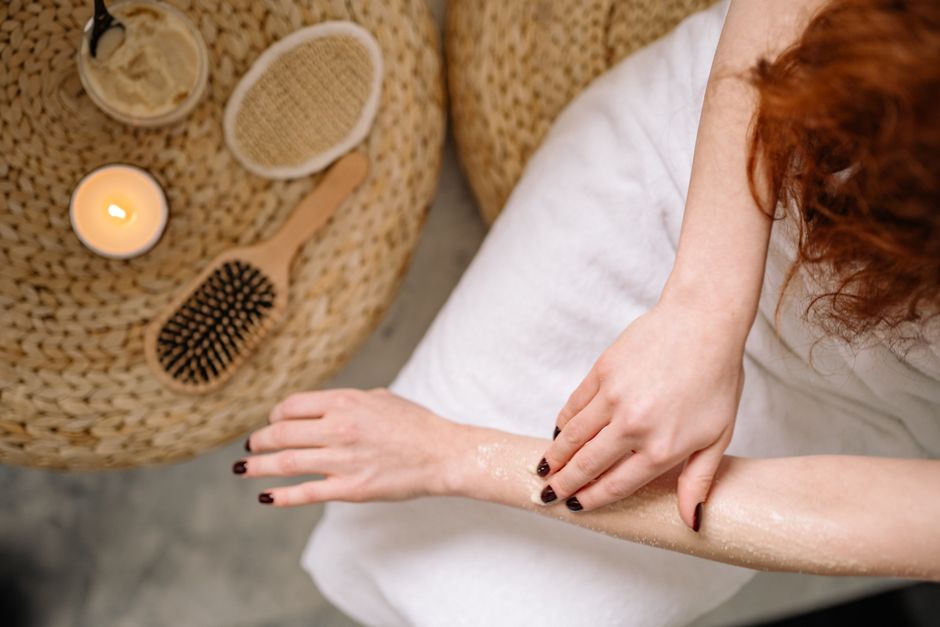
Apricot scrub can leave your skin smooth — but it can also damage your skin if you use it wrong. To avoid harm, apply the scrub gently with light pressure, use it only once a week, and never scrub dry skin. Stop immediately if your skin feels raw or stings. The key is gentle technique and knowing when your skin has had enough.
What Makes Apricot Scrub Risky for Your Skin?
Apricot scrubs contain crushed apricot kernel shells. These particles have sharp, irregular edges. Many dermatologists warn that these jagged fragments can create tiny tears in the skin — called micro-abrasions. Over time, this can weaken the skin barrier and lead to redness, irritation, and even infection.
Not all scrubs are the same. Some use smoother particles like jojoba beads or silica. Apricot kernel shells are harder and more angular. The risk is highest on the face, where skin is thinner and more delicate than on the rest of your body.
How To Use Apricot Scrub Without Damaging Your Skin
Use apricot scrub only on damp, freshly cleansed skin. Apply a small amount — about the size of a pea — to your fingertips. Gently massage in small circles for no more than 30 seconds. Keep your pressure light. You should not feel pain or discomfort.
Focus on areas with thicker skin: the nose, chin, and forehead. Avoid the eye area, lips, and any active breakouts, cuts, or sunburned spots. Rinse with lukewarm water and pat dry. Do not rub with the towel.
After scrubbing, apply a gentle moisturizer. If you go outside, use sunscreen — physical exfoliation can make your skin more sensitive to the sun for a day or two.
How Often Can You Use Apricot Scrub?
Most dermatologists recommend using a physical scrub like apricot scrub no more than once a week. Using it more often increases the chance of irritation and barrier damage.
If you have sensitive skin, rosacea, or active acne, once a week may still be too often. Some people should skip physical scrubs entirely and choose gentler exfoliation methods. Pay attention to how your skin feels after each use. If it feels tight, stings, or looks red for more than an hour, you are overdoing it.





Signs You Are Damaging Your Skin With Apricot Scrub
Watch for these warning signs after using the scrub:
- Redness that lasts longer than a few hours
- Stinging or burning when you apply moisturizer
- Tiny bumps or breakouts the next day
- Dry, flaky patches
- Skin that feels tight or looks shiny (over-exfoliated)
If you notice any of these, stop using the scrub. Give your skin time to heal — usually a few days to a week. Focus on gentle cleansing and moisturizing only. No other exfoliating products during that time.
Who Should Avoid Apricot Scrub Entirely?
Physical scrubs are not for everyone. People with the following skin types or conditions should consider gentler alternatives:
- Acne-prone skin: Scrubbing can rupture pimples and spread bacteria, making acne worse.
- Sensitive skin or rosacea: The particles can trigger inflammation and flare-ups.
- Eczema or psoriasis: Scratching or friction can worsen patches.
- Thin or aging skin: Older skin is more fragile and heals more slowly.
If you fall into any of these categories, chemical exfoliants — such as salicylic acid, glycolic acid, or lactic acid — are often a safer choice. They dissolve dead skin cells without physical abrasion. Start with a low concentration (2% for salicylic acid, 5–10% for glycolic acid) and use only as directed.
Are There Safer Ways to Exfoliate?
Yes. Many dermatologists prefer chemical exfoliants because they are gentler and more even. Options include:
- AHAs (alpha hydroxy acids): Glycolic acid, lactic acid, mandelic acid. They work on the surface of the skin. Good for dry or sun-damaged skin.
- BHAs (beta hydroxy acids): Salicylic acid. It goes inside pores. Good for oily or acne-prone skin.
- Facial brushes or soft cloths: Less abrasive than crushed shells. Still use gentle pressure.
- Konjac sponges: Very soft. Safe for daily use on most skin types.
If you prefer a physical scrub, look for one with smoother, round beads — such as jojoba beads or rice powder. These are less likely to cause micro-tears. Avoid products with walnut shells, apricot kernels, or pumice on the face.
Frequently Asked Questions
Is apricot scrub safe for the face?
It can be safe for some people if used very gently and no more than once a week. But many dermatologists advise against it because the jagged particles can damage the skin barrier, especially on the face.
How often should I use apricot scrub?
Most experts recommend using it no more than once a week. If your skin feels irritated, reduce frequency or stop altogether.
Can apricot scrub make acne worse?
Yes. Scrubbing can rupture pimples and spread bacteria, leading to more breakouts. People with active acne should avoid physical scrubs on affected areas.
What is a good alternative to apricot scrub?
Chemical exfoliants like salicylic acid or glycolic acid are gentler and more consistent. For physical options, choose scrubs with smooth beads like jojoba pearls or use a soft facial brush.
