
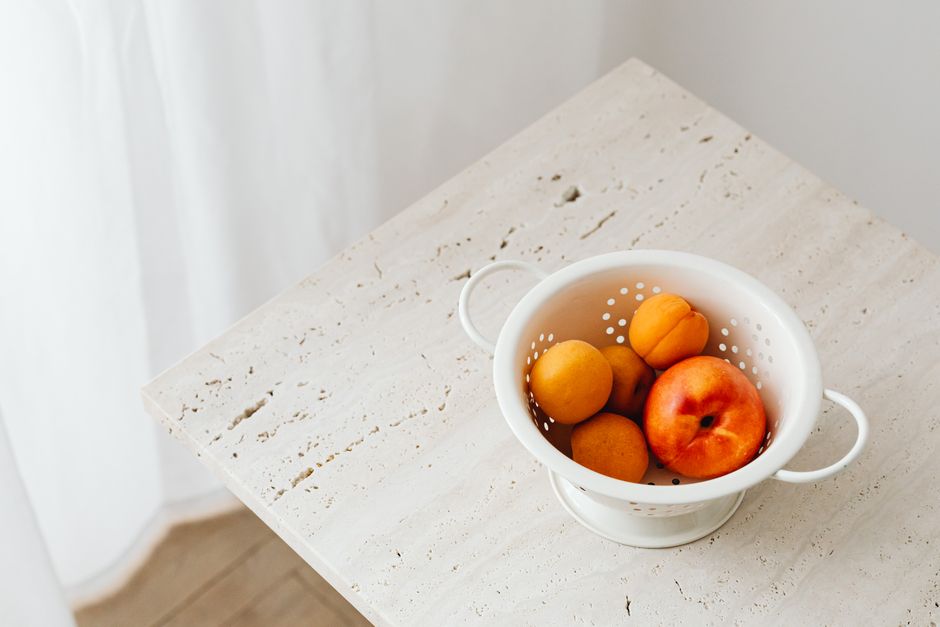
Apricot oil is a lightweight plant oil pressed from the kernels of apricots, and it can be used on hair in three simple ways: as a pre-wash treatment massaged into the scalp and strands, as a few drops worked through damp hair as a leave-in frizz tamer, and as a carrier oil blended with stronger oils like rosemary or peppermint. Each method takes only a few minutes and suits most hair types because the oil absorbs quickly without leaving a heavy residue.
The oil is rich in oleic and linoleic acids, two fats that occur naturally in the outer layer of healthy hair. That is the real reason it feels conditioning. It is not a treatment for hair loss, and no study has shown it regrows hair. Used correctly, it is a mild moisturizer and detangler that most people tolerate well.
What Is Apricot Oil and What Does It Actually Do for Hair?
Apricot kernel oil is cold-pressed from the seeds inside apricot pits. It is not the same as bitter almond oil, though the two are chemically related and both come from the same family of stone fruits. The cosmetic version sold for hair and skin is refined or cold-pressed to remove compounds that can be toxic in raw bitter kernels, so the bottled product is not the same as eating the pits.
The oil is mostly oleic acid and linoleic acid, with smaller amounts of vitamin E and other antioxidants. Its texture is thinner than coconut oil and olive oil, which is why it spreads easily and rinses out with less effort.
What it does for hair is straightforward:
- Softens the surface. The oil coats the hair shaft and reduces friction, which makes combing easier and limits the snapping that happens when wet hair is brushed.
- Slows water loss. By sitting on the outer layer, it helps hair hold onto moisture that would otherwise evaporate.
- Adds shine. A smooth surface reflects more light, which is the entire basis of the “glossy” look.
What it does not do is repair split ends, change the structure of the hair follicle, or treat a medical cause of shedding. Those claims show up in marketing far more often than in research. If you are losing hair in patches or shedding far more than usual, that is a reason to see a clinician, not to buy a different oil.
How To Use Apricot Oil For Hair: 3 Simple Methods
All three methods below use the same basic product. Choose based on how much time you have and how your hair behaves.
Method 1: Pre-Wash Scalp and Strand Treatment
This is the most common way to use it and the one that gives the clearest conditioning effect.
- Pour a small amount into your palm. Start with about a teaspoon for shoulder-length hair and adjust from there.
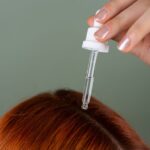
- Rub your palms together, then press them into your scalp. Use your fingertips, not your nails, to work the oil through.
- Pull the remaining oil down through the mid-lengths and ends. The ends usually need it most.
- Leave it on for at least 20 to 30 minutes. Longer is fine. Some people leave it overnight with a loose braid or a shower cap.
- Shampoo it out. You may need to lather twice, especially if you used a generous amount.
One practical note: oil and water do not mix, so applying oil to soaking wet hair mostly dilutes it. Towel-dry first for better coverage.
Method 2: Leave-In Frizz Tamer on Damp Hair
This method uses far less oil and works best on medium to thick hair. On fine hair it can look greasy fast.
- Wash and towel-dry your hair until it is damp, not dripping.
- Put two or three drops in your palm and rub your hands together until the oil is barely visible.
- Smooth your palms over the surface of your hair, focusing on the ends. Avoid the roots.
- Style as usual. Do not reapply later in the day unless your hair is very dry.
The goal is a thin film, not saturation. If your hair looks stringy, you used too much. There is no way to remove it except washing again.
Method 3: Carrier Oil Blend With Essential Oils
Apricot oil works well as a carrier oil because it is light and nearly odorless, so it does not compete with whatever you blend into it.
Some people add a few drops of rosemary or peppermint oil, based on research suggesting rosemary oil may support hair growth in some cases. That research is worth understanding accurately. A commonly cited study compared rosemary oil to minoxidil 2% in people with androgenetic alopecia and reported similar hair counts after several months, but the study had limitations and rosemary is not a substitute for proven treatments. If you want to try it, dilute essential oils properly. Essential oils are concentrated and can burn or irritate skin when applied undiluted. A common guideline is no more than a few drops of essential oil per tablespoon of carrier oil.
Do not use this blend if you are pregnant, breastfeeding, or applying it to a child without checking with a clinician first. Guidance for those groups is limited and varies by oil.
Which Hair Types Benefit Most From Apricot Oil?
Apricot oil suits most hair types, but it is not equally useful for all of them.
| Hair Type | How Well It Works | Best Method |
|---|---|---|
| Fine or thin | Easily weighed down | Leave-in, 1 to 2 drops maximum |
| Medium, straight or wavy | Good fit | Any of the three |
| Thick or coarse | Very good fit | Pre-wash, generous amount |
| Curly or coily | Good for sealing moisture | Leave-in on damp hair |
| High-porosity or damaged | Helps temporarily | Pre-wash, longer leave-on |
If your hair is fine, the honest advice is to use less than you think you need. Fine hair shows oil quickly, and there is no fix except shampoo.



Does Apricot Oil Help With Hair Growth or Hair Loss?
No clinical evidence currently confirms that apricot oil grows hair or treats hair loss. It is a moisturizer and a lubricant. Those are real benefits, but they are not the same as a growth treatment.
Hair loss usually has a specific cause: genetics, thyroid problems, iron deficiency, medications, hormonal shifts, or stress-related shedding. An oil applied to the surface of the scalp does not address any of those. If shedding is your main concern, the useful step is finding out why, and that means a clinician and usually a blood test.
Where oil can help indirectly is by reducing breakage. Hair that snaps easily looks thinner over time because the strands are shorter. Less friction means less snapping, which can preserve length. That is a mechanical effect, not a biological one.
What Are the Downsides and Safety Considerations?
Apricot oil is generally well tolerated on skin and hair. Reactions are uncommon but possible, particularly for people with nut allergies.
People with a known allergy to tree nuts or stone fruits should be cautious. Apricot kernels come from a stone fruit, and cross-reactivity with almond and other related nuts is possible. If you have a serious nut allergy, ask a clinician before using it, or patch test on a small area of skin first.
Other practical issues:
- Greasy buildup. Using too much, or not shampooing thoroughly, can leave hair limp and dull.
- Scalp clogging. Heavy or frequent application may contribute to buildup on the scalp in some people, which can cause itching or flaking.
- Essential oil irritation. If you blend in essential oils, the irritation risk comes from those, not the apricot oil.
- Slip risk. Oil on a bathroom floor is genuinely dangerous. Wipe up spills.
Do not swallow apricot kernel oil or eat raw apricot kernels. Raw bitter kernels contain a compound that the body converts to cyanide, and cases of poisoning have been reported. The cosmetic oil sold for hair is processed differently, but it is still not a food product.
How Does Apricot Oil Compare to Other Hair Oils?
The main difference between hair oils is weight and how easily they penetrate or rinse out. Apricot oil sits in the light-to-medium range, which makes it more versatile than heavier options for many people.
- Coconut oil is heavier and solid at room temperature. It has more research behind it for reducing protein loss from hair during washing, but it can leave fine hair greasy.
- Argan oil is similar in weight and often costs more. Its reputation is stronger than its evidence base for most claims.
- Jojoba oil is technically a liquid wax and behaves more like scalp sebum, which some people prefer for scalp use.
- Castor oil is very thick and sticky. It is popular online for hair growth, but no clinical evidence confirms it grows hair.
There is no single best oil. If apricot oil leaves your hair soft and manageable without weighing it down, that is enough reason to use it. If it does not, another oil may suit you better, and that is not a failure of either product.
Frequently Asked Questions
How often should I use apricot oil on my hair?
Once or twice a week is a reasonable routine for most people using it as a pre-wash treatment. Daily use is possible with just a drop or two on the ends, but more than that tends to cause buildup.
Can I leave apricot oil in my hair overnight?
Yes, leaving it in overnight is a common practice and generally considered safe for most people. Use a shower cap or towel over your pillow, and shampoo thoroughly the next morning.
Does apricot oil help with dandruff or an itchy scalp?
No clinical evidence confirms apricot oil treats dandruff, which is usually caused by a yeast on the scalp. If itching and flaking persist, a medicated shampoo or a clinician’s evaluation is the more useful step.
Is apricot oil safe for color-treated or relaxed hair?
Apricot oil is generally considered safe on color-treated and relaxed hair because it coats the surface rather than penetrating deeply. It may help mask dryness, but it will not extend the life of a color treatment.
