
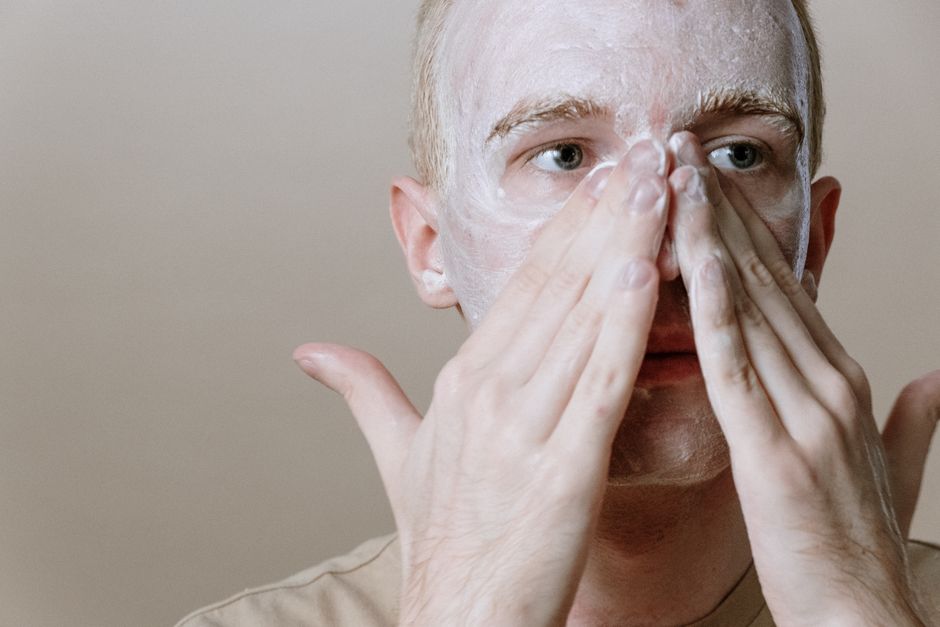
Most people use acne cleansers the same way they use body soap: lather up, scrub hard, rinse, and hope for the best. That approach can actually make acne worse. Using an acne control cleanser the right way means applying it gently with lukewarm water, leaving it on your skin for the short time the product instructs, rinsing thoroughly, and following with a non-comedogenic moisturizer. Frequency matters too — most acne cleansers are designed for once or twice daily use, not every time your face feels oily.
How To Use Acne Control Cleanser The Right Way
The single biggest mistake people make is treating an acne cleanser like a scrub. Medicated cleansers contain active ingredients — salicylic acid, benzoyl peroxide, or similar — and those ingredients need contact time with the skin, not friction.
Here is the basic method that dermatologists generally describe:
- Wet your face with lukewarm water. Hot water strips oils and can irritate skin that is already inflamed.
- Apply a small amount — roughly the size of a pea to a dime — to your fingertips, not a washcloth or brush.
- Massage gently in circular motions for about 20 to 30 seconds, avoiding the eye area.
- Rinse thoroughly with lukewarm water. Leftover cleanser residue can clog pores and cause dryness.
- Pat dry with a clean towel. Do not rub.
- Apply a non-comedogenic moisturizer within a few minutes while skin is still slightly damp.
That last step is the one most people skip, and it is often why their skin gets worse. Many acne ingredients dry out the skin. Dry, irritated skin can produce more oil and become more inflamed, which works against what you are trying to achieve.
How Often Should You Use an Acne Cleanser?
Twice a day is the general starting point for most over-the-counter acne cleansers — once in the morning and once at night. If your skin becomes red, tight, or flaky, dropping to once daily is reasonable.
There is a myth that washing more often clears acne faster. It does not. Over-washing removes the skin’s natural oils and damages the skin barrier. A damaged barrier makes inflammation worse and can trigger more breakouts. Two gentle washes a day is generally enough for most people.
If you use a prescription acne treatment like tretinoin or adapalene, your dermatologist may recommend a gentler, non-medicated cleanser instead. Combining a strong cleanser with a strong topical treatment is a common cause of irritation. This is a case where following your prescriber’s instructions matters more than any general rule.
Should You Use It in the Morning or at Night?
Night is the more important wash. It removes sunscreen, oil, sweat, and environmental debris that build up during the day. Skipping the evening wash means all of that sits on your skin overnight.
Morning use depends on your skin. If you wake up oily, a morning wash helps. If your skin feels dry or tight in the morning, rinsing with plain lukewarm water may be enough, especially if you used a medicated cleanser the night before.
Some active ingredients, like benzoyl peroxide, can make skin more sensitive to sunlight. That is another reason evening use is often preferred. If you use it in the morning, daily sunscreen is not optional.
Does the Active Ingredient Change How You Use It?
Yes. Different active ingredients behave differently, and how you apply them should reflect that.
| Active Ingredient | How It Works | Practical Note |
|---|---|---|
| Salicylic acid | Helps shed dead skin cells inside pores | Generally gentler; often used once or twice daily |
| Benzoyl peroxide | Reduces acne-causing bacteria and helps clear pores | Can bleach fabric; start once daily if skin is sensitive |
| Glycolic acid | Exfoliates the skin surface | Can sting; may increase sun sensitivity |
| Plain gentle cleanser | Removes oil and debris without medication | Often paired with prescription treatments |
Benzoyl peroxide is worth a specific mention. It can bleach towels, pillowcases, and clothing. Rinse well and use white bedding if you can. This is a small thing that surprises a lot of people.
If you are using more than one active ingredient, introduce them one at a time. Stacking a salicylic acid cleanser with a benzoyl peroxide treatment and a retinol all at once is a fast route to irritation. Give each product a couple of weeks before adding another.
What Mistakes Make Acne Cleansers Less Effective?
Several common habits work against the product.
- Scrubbing with a washcloth, brush, or rough exfoliant. Friction irritates inflamed skin.
- Using very hot water. It strips oils and worsens redness.
- Skipping moisturizer. Dry skin can produce more oil and become more irritated.
- Washing too often. More than twice daily generally does not help and often harms.
- Expecting overnight results. Acne treatments typically take several weeks to show noticeable change.
- Stopping too soon. Many people quit right before a product would have started working.
There is also a misconception that a cleanser should feel like it is “working” — stinging or tingling. That sensation is usually irritation, not effectiveness. A good acne cleanser should feel mild.
How Long Until You See Results?
Acne is not a quick fix, and cleansers are no exception. Most dermatologists tell patients to give a new acne routine roughly six to eight weeks before judging whether it is working. Skin cell turnover and the resolution of existing breakouts take time.
Some people notice less oiliness within the first week or two. Fewer new pimples often takes longer. If your skin is getting significantly worse, more red, or painful, that is a reason to stop and check with a doctor rather than push through.
It is also worth knowing that a cleanser alone rarely clears moderate to severe acne. Cleansers are one part of a routine. Prescription treatments, and sometimes oral medications, are what make the biggest difference for many people. No over-the-counter cleanser is a substitute for medical treatment when acne is moderate or severe.
When Should You See a Doctor Instead?
See a dermatologist or doctor if your acne is widespread, painful, or leaving scars, or if it is affecting your confidence and daily life. These are signs that a cleanser alone is not the right tool.
Also seek medical advice if an acne product causes severe redness, swelling, or a reaction. And if you are pregnant or breastfeeding, check with a clinician before using medicated cleansers, since some ingredients are not recommended during pregnancy. No clinical guidelines currently exist for using many acne ingredients in pregnancy without medical guidance, so this is a conversation to have with your doctor rather than a decision to make on your own.
Frequently Asked Questions
How long should I leave acne cleanser on my face?
Follow the product’s instructions, which is usually about 20 to 30 seconds of gentle massage before rinsing. Leaving it on longer does not make it more effective and can increase irritation.
Can I use acne cleanser twice a day?
Yes, twice daily is a common starting point for most over-the-counter acne cleansers. If your skin becomes red, tight, or flaky, using it once daily is reasonable.
Does acne cleanser work on its own?
A cleanser can help with mild acne, but it rarely clears moderate to severe acne by itself. Prescription treatments often make a much bigger difference for more serious cases.
Should I moisturize after using acne cleanser?
Yes. Applying a non-comedogenic moisturizer after washing helps protect the skin barrier and can reduce the dryness that acne ingredients often cause.
